How to Stay Hydrated During Ramadan: Best Drinks for Iftar
Ramadan fasting changes when you can eat and drink, making hydration during non-fasting hours especially important. Explore suitable drinks, hydrating foods, and simple habits to support fluid intake from sunset to dawn.
By Team Nam Viet Group
Knowing how to stay hydrated during Ramadan is important because Muslims who are fasting do not eat or drink from dawn until sunset. This makes the hours between Iftar and Suhoor especially important for replacing fluids lost during the day.
Water should remain the main source of hydration. Rather than drinking a large amount at Iftar, a more practical approach is to drink regularly throughout the non-fasting hours and include water-rich foods as part of Iftar and Suhoor.
1.Ramadan Hydration at a Glance
Drink regularly between Iftar and Suhoor.
Make water your main drink.
Avoid trying to drink all your fluids at once.
Include fruits, vegetables, soups and other water-rich foods.
Limit drinks high in added sugar.
Avoid excessive salt, which may increase thirst.
Moderate caffeine intake according to your usual habits and individual needs.
Hydration needs increase in hot weather and with physical activity.
2. Why Is Hydration Important During Ramadan?
The human body continuously loses water through urine, breathing, skin and sweat.
During Ramadan fasting hours, these fluids cannot be replaced until the fast ends.
Hot weather, physical activity and longer fasting periods can increase fluid loss.
Mild dehydration may contribute to symptoms such as:
Thirst
Headache
Fatigue
Difficulty concentrating
Dry mouth
Darker urine
The British Nutrition Foundation notes that mild dehydration can occur during Ramadan, particularly when fasting periods are long or weather conditions are warm.
3. What Is the Best Way to Stay Hydrated During Ramadan?
The key is to think about hydration as an evening-to-morning routine, rather than something that happens only at Iftar.
A practical pattern is:
Iftar → Evening → Before bed → Suhoor
Drink water regularly across this period according to your thirst, activity, environment and individual health needs.
Avoid forcing yourself to consume an excessive amount of water in a short period.
There is no universal amount that is appropriate for everyone.
Fluid requirements vary depending on:
Age
Body size
Climate
Physical activity
Diet
Health conditions
Duration of fasting
4. What Are the Best Drinks for Iftar?
4.1. Water
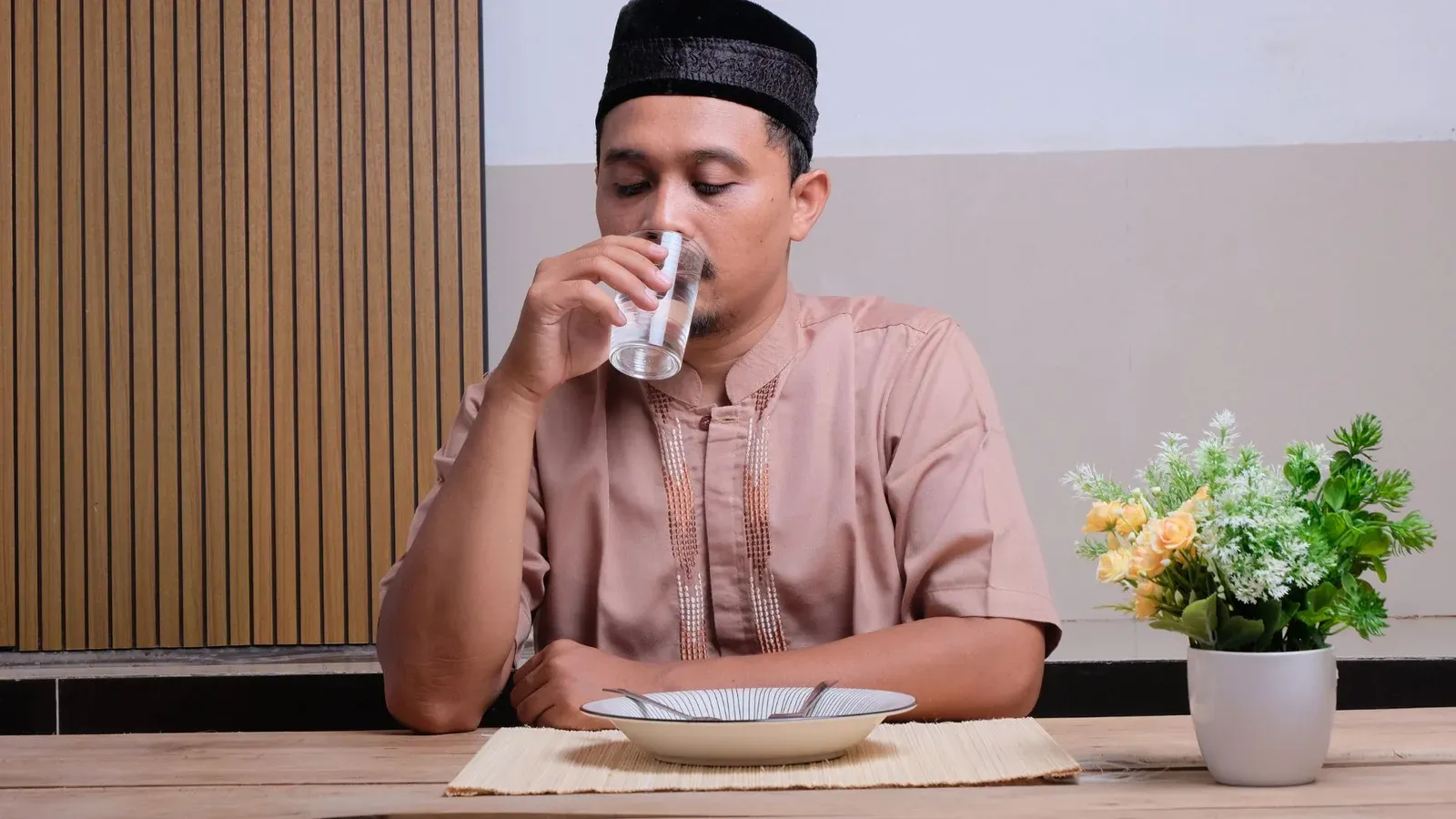
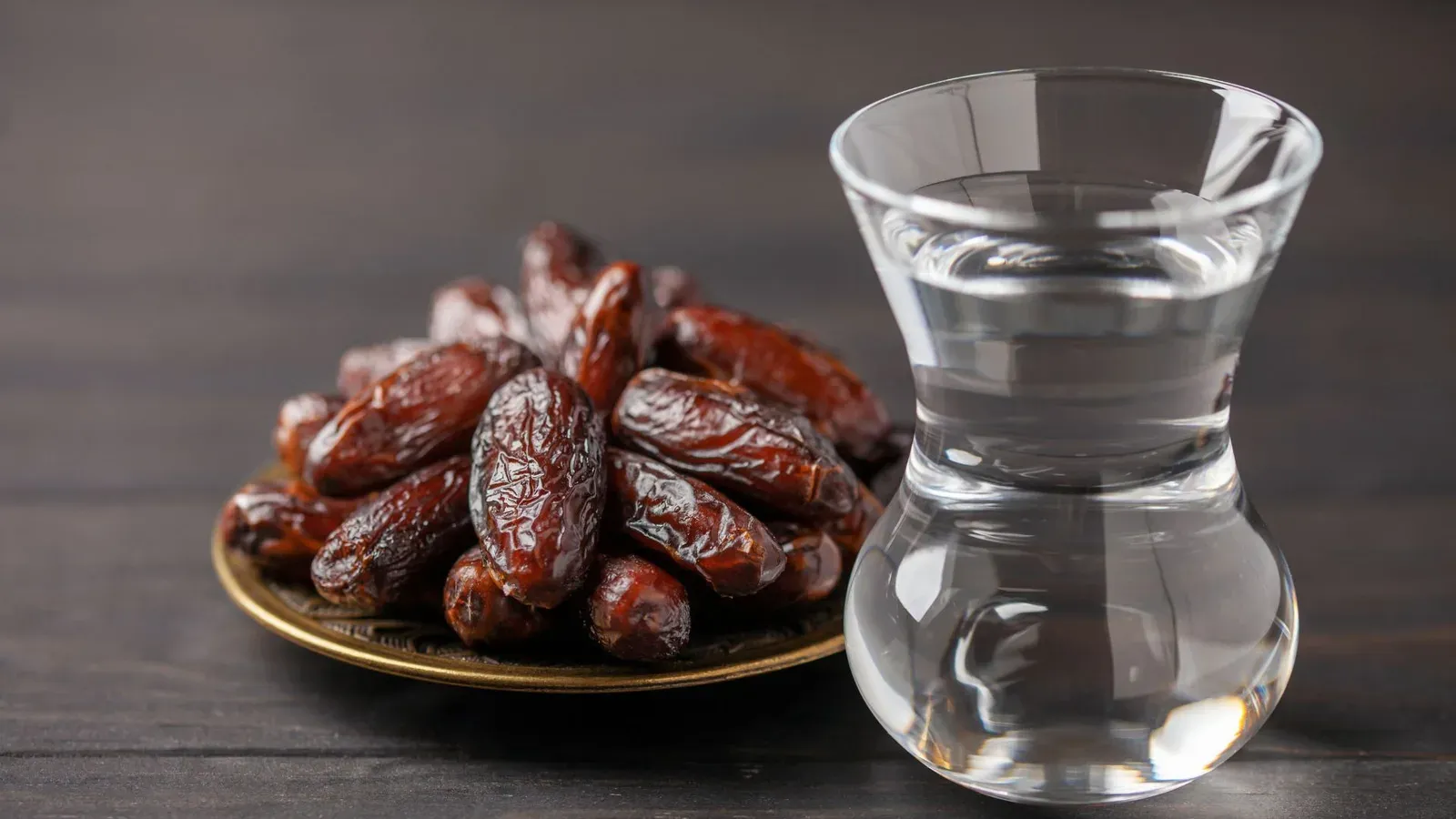
Water is the simplest and most reliable choice for hydration.
It contains no added sugar or calories and can replace fluids lost throughout the day.
At Iftar, begin drinking gradually rather than consuming a very large amount immediately.
Continue drinking water during the evening and at Suhoor.
4.2. Milk
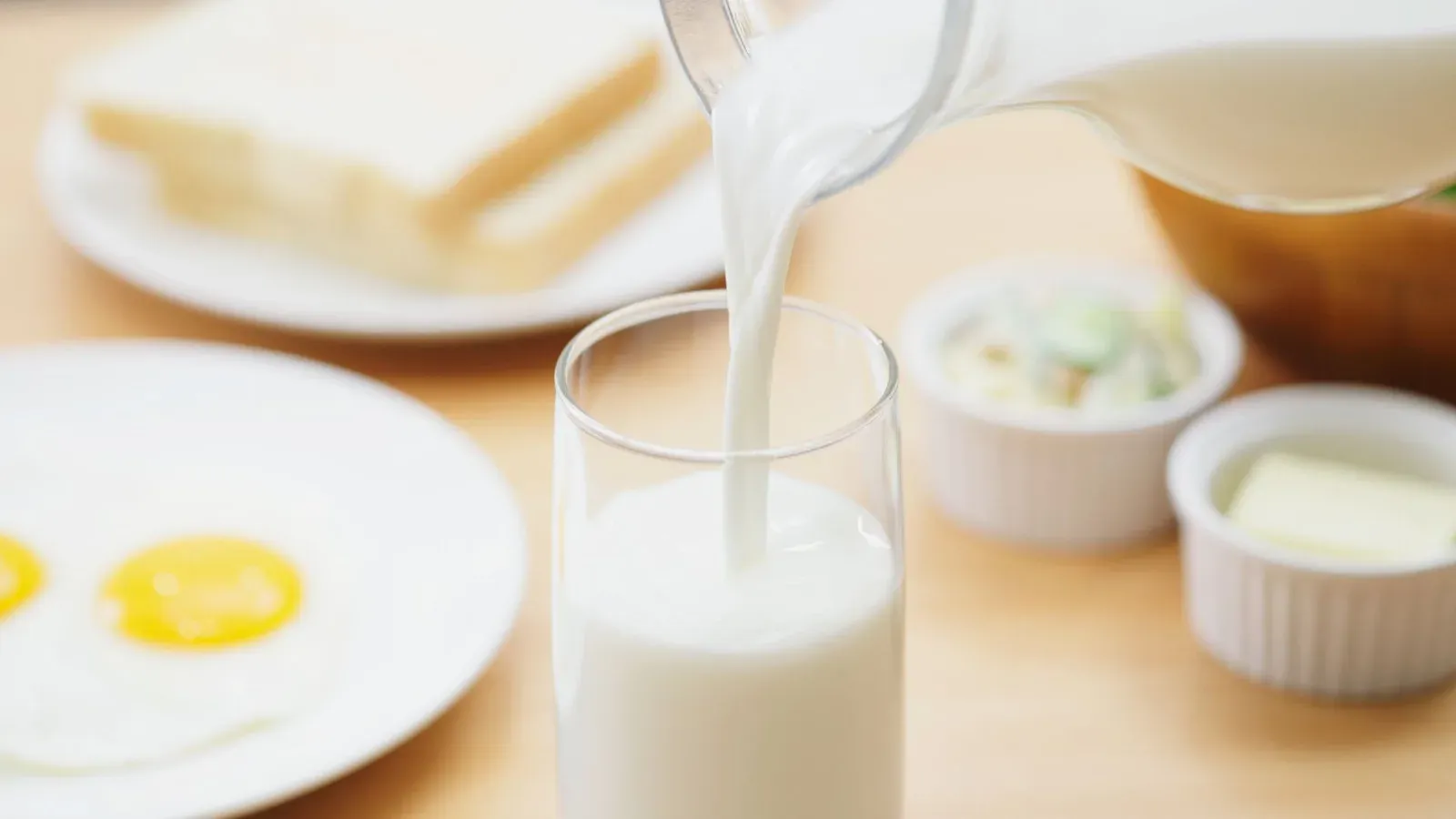
Milk contributes to fluid intake while also providing nutrients such as protein and calcium.
For people who normally consume dairy products and tolerate them well, milk can form part of the evening diet.
It should complement rather than completely replace water.
4.3. Unsweetened Milk or Yogurt-Based Drinks
Traditional yogurt- or milk-based beverages are common in many cultures.
When they contain little or no added sugar, they can contribute both fluid and nutrients.
Check salt and sugar content, as recipes and commercial products vary considerably.
4.4. Soup
Soup is technically a food rather than a beverage, but it can make an important contribution to fluid intake.
Examples include:
Lentil soup
Vegetable soup
Chicken and vegetable soup
Tomato-based soup
Choose versions that are not excessively salty, as high salt intake may increase thirst.
5. What About Fruit Juice?
Fruit juice contains fluid and some vitamins and minerals, but it also contains free sugars.
Whole fruit usually provides more fibre and can be a better everyday choice.
WHO recommends limiting sugary drinks, including fruit juices.
If juice is served at Iftar, it should not replace water as the primary hydration drink.
6. Are Traditional Ramadan Drinks Good for Hydration?
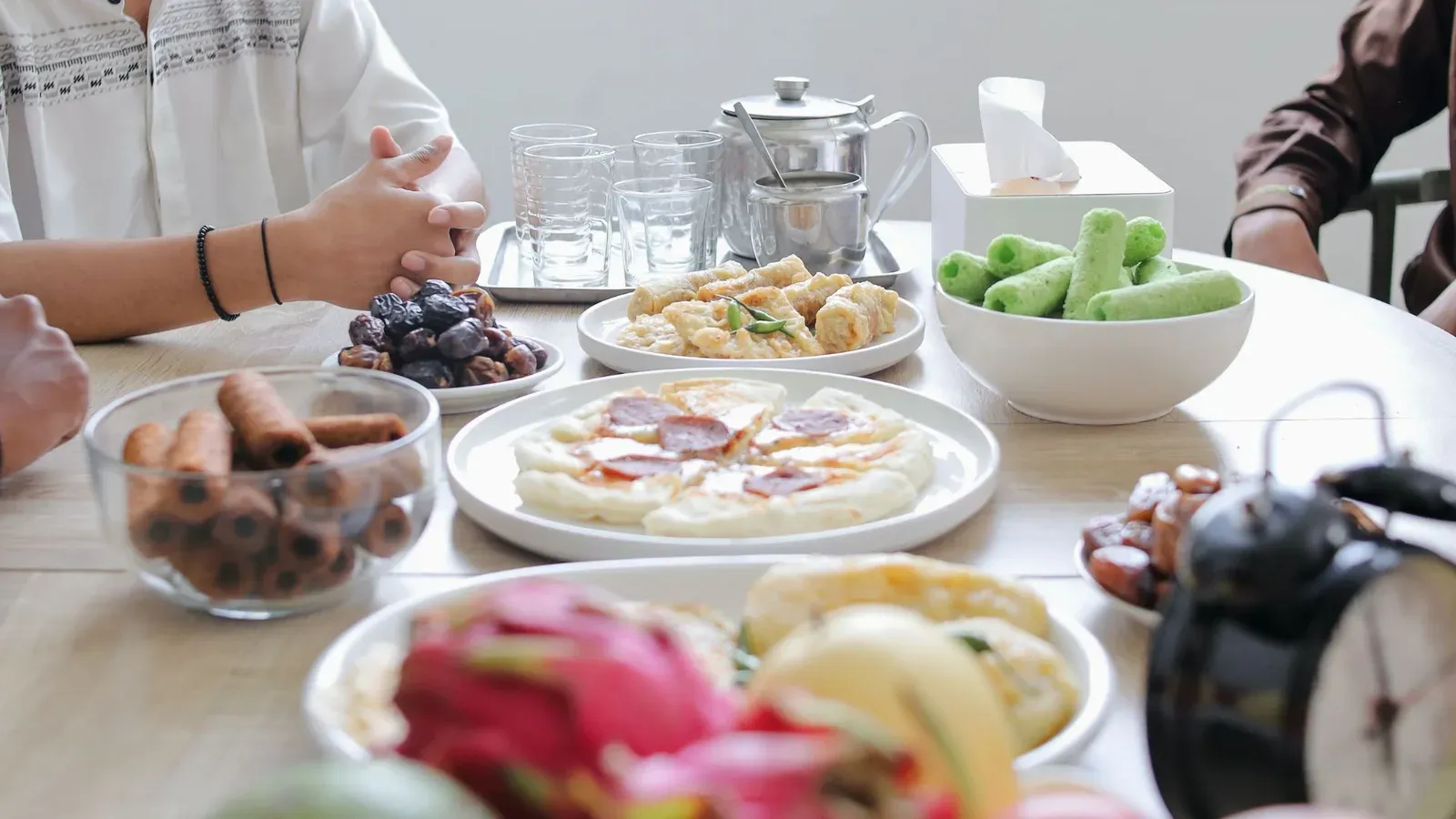
Ramadan has a rich variety of traditional beverages.
Depending on the country, Iftar tables may include drinks based on:
Fruits
Tamarind
Milk
Yogurt
Herbs
Flowers
Grains
Dates
These beverages are culturally important, but their nutritional profiles differ significantly.
Some homemade and commercial Ramadan drinks contain considerable amounts of added sugar.
A drink being “traditional” does not automatically make it the best choice for hydration.
Enjoy traditional beverages as part of Ramadan culture while keeping water as the main drink.
7. What About Tea and Coffee?
Tea and coffee can contribute to overall fluid intake.
Although caffeine has a mild diuretic effect, moderate consumption does not normally cancel out the fluid provided by the drink.
However, people who consume large amounts of caffeine may wish to manage their intake carefully during Ramadan.
Suddenly reducing habitual caffeine intake can also contribute to headaches in some people.
Water should remain the primary hydration choice.
8. Should You Drink Sports or Electrolyte Drinks at Iftar?
Most healthy people following an ordinary Ramadan routine do not automatically need sports drinks or electrolyte beverages.
Many commercial sports drinks also contain added sugars.
Needs may differ after substantial sweating, prolonged exercise or in particular medical situations.
People with specific hydration or medical concerns should seek individualized advice from an appropriate healthcare professional rather than assuming an electrolyte drink is necessary.
9. Hydrating Foods to Eat at Iftar and Suhoor
Fluids do not come only from drinks.
Many foods contain significant amounts of water.
Useful choices can include:
Watermelon
Melon
Orange
Cucumber
Tomato
Lettuce
Berries
Yogurt
Soups
Stews
WHO specifically recommends water-rich foods such as fruits, vegetables and soups as part of Ramadan hydration.
10. A Practical Hydration Routine
10.1. At Iftar
Start with water.
Eat slowly and include water-rich foods such as soup, salad, vegetables or fruit.
10.2. During the Evening
Continue drinking water regularly instead of waiting until you feel extremely thirsty.
10.3. Before Bed
Drink according to thirst and individual needs.
Avoid relying heavily on sugary drinks.
10.4. At Suhoor
Drink water and include foods containing fluid, such as fruit, vegetables, yogurt or other suitable foods.
Avoid excessively salty meals.
This creates a more balanced pattern:
Water at Iftar → Regular fluids during the evening → Water-rich foods → Water at Suhoor
11. Foods That Can Make Thirst More Noticeable
11.1. Very Salty Foods
Salt can stimulate thirst.
Foods that may contain high amounts of sodium include:
Processed meats
Salty cheeses
Pickles
Packaged snacks
Instant foods
Salty sauces
Reducing very salty foods at Iftar and Suhoor may make fasting more comfortable.
11.2. Very Sugary Foods and Drinks
Sweet drinks may provide fluid but can also contribute substantial amounts of added sugar and energy.
Examples include:
Soft drinks
Sweetened juices
Syrup-based beverages
Energy drinks
Highly sweetened tea or coffee
Water remains the better everyday hydration option.
12. Hydration During Hot Weather
Ramadan can occur during different seasons because the Islamic calendar follows the lunar cycle.
In warmer climates, the body may lose more water through sweating.
People working outdoors or exercising may experience even greater fluid losses.
Helpful strategies include:
Spending less time in excessive heat where possible
Scheduling demanding physical activity during cooler periods
Drinking regularly during non-fasting hours
Eating water-rich foods
Wearing appropriate clothing in hot conditions
Individual circumstances matter, particularly for people performing physically demanding work.
13. Exercise and Hydration During Ramadan
Exercise increases fluid loss through sweat.
People who continue training during Ramadan may need to adjust:
Exercise intensity
Exercise duration
Training time
Fluid intake during non-fasting hours
For some people, exercising closer to Iftar or during non-fasting hours may make fluid replacement easier.
Competitive athletes or people undertaking intense training may require individualized nutrition and hydration planning.
14. How Can You Tell If You May Be Dehydrated?
Possible signs include:
Strong thirst
Dry mouth
Headache
Fatigue
Difficulty concentrating
Reduced or darker urine
Dizziness
Severe dizziness, confusion, fainting or inability to function normally should not simply be ignored as a normal part of fasting.
Seek appropriate medical attention when symptoms are severe or concerning.
15. Who Should Be Especially Careful About Hydration?
Individual medical advice may be particularly important for people with:
Kidney disease
Diabetes
Heart disease
Conditions affecting fluid or electrolyte balance
Pregnancy
Other chronic medical conditions
Some medications may also affect hydration or require specific timing.
Islam provides exemptions from fasting in certain circumstances involving illness and health.
Medical questions should be discussed with an appropriate healthcare professional, while questions about religious exemptions should be discussed with a qualified Islamic scholar.
16. Frequently Asked Questions
16.1. What is the best drink for Iftar?
Water is the simplest primary choice for rehydration after the daily fast.
16.2. Can you drink water during Ramadan fasting hours?
People observing the Ramadan fast do not drink water between dawn and sunset. Fluids can be consumed during the non-fasting period between Iftar and Suhoor.
16.3. Should I drink all my water at Iftar?
No. A more practical approach is to spread fluid intake throughout the evening and at Suhoor.
16.4. Is fruit juice good for hydration during Ramadan?
Fruit juice contributes fluid, but it also contains free sugars. Water should remain the main hydration drink, while whole fruit provides fluid together with fibre.
16.5. Can I drink coffee during Ramadan?
Coffee can be consumed during non-fasting hours. Moderate amounts contribute to fluid intake, but water should remain an important source of hydration.
16.6. Are sports drinks necessary during Ramadan?
Not routinely for most healthy people. Individual needs may differ with intense exercise, heavy sweating or medical conditions.
16.7. What foods help with hydration?
Water-rich foods such as watermelon, cucumber, tomato, lettuce, fruit, yogurt, soup and stews can contribute to overall fluid intake.
16.8. Does salty food make you thirsty?
High salt intake can increase thirst, so very salty foods are best limited, particularly around Suhoor.
Staying hydrated during Ramadan is not about finding one special drink.
The most practical strategy is simple:
Make water your main drink. Drink regularly between Iftar and Suhoor. Include water-rich foods. Limit excessive salt and sugary drinks. Adjust intake for climate, activity and individual health needs.
Hydration is part of the broader Ramadan routine, connecting Iftar, the evening hours and Suhoor.
Developing a consistent routine across those hours is generally more useful than trying to compensate for an entire day of fasting with one large drink at sunset.