Who is the beverage for, when will they drink it and where will it be sold? Your audience, sales channel and destination help frame the development questions.
Loading page…

ODM DEVELOPMENT · CONCEPT TO SPECIFICATION
Shape a beverage around your audience, flavour direction and target market. ODM brings the concept, sample feedback and specification into one development brief.
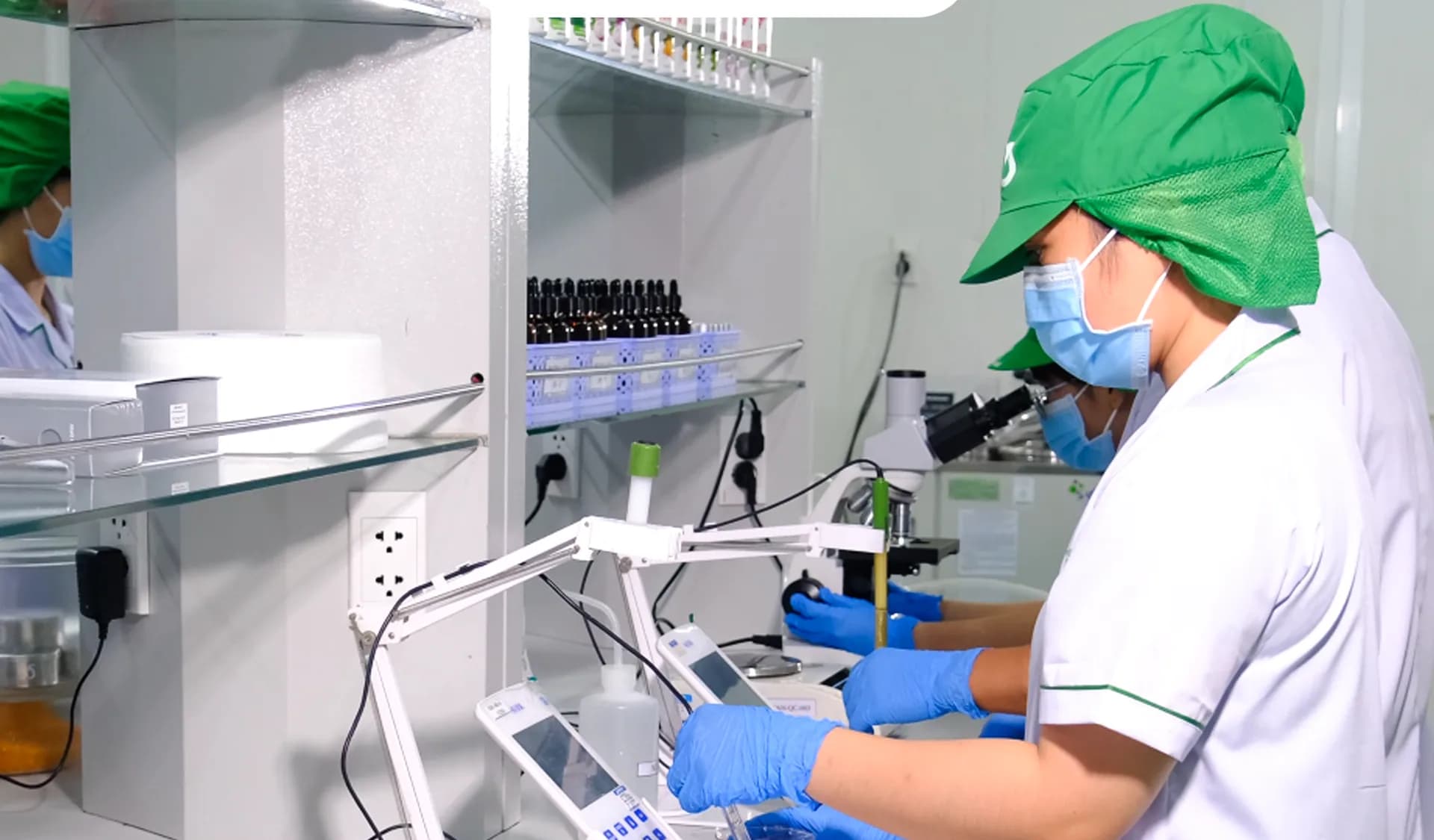
Who is the beverage for, when will they drink it and where will it be sold? Your audience, sales channel and destination help frame the development questions.
A reference drink can explain an idea. The sensory target, formulation scope and final specification still need to be agreed for your product.
Bring what you know today. These four areas give the development team a starting point for questions and technical review.
Describe the taste, aroma, appearance and texture you want to explore. Explain what a reference product helps illustrate.
Share ingredient preferences, exclusions and characteristics that matter to the concept. Identify which requirements are fixed and which can be explored.
Describe the drinking occasion, intended container, nominal volume and sales channel. Packaging and product suitability are reviewed together.
Flag the destination, buyer requirements and proposed claims early. Any final claim needs the appropriate evidence and market review.
Each stage should leave a clear record for the next review. Sample rounds, preparation arrangements, fees and timing are agreed within the project scope.
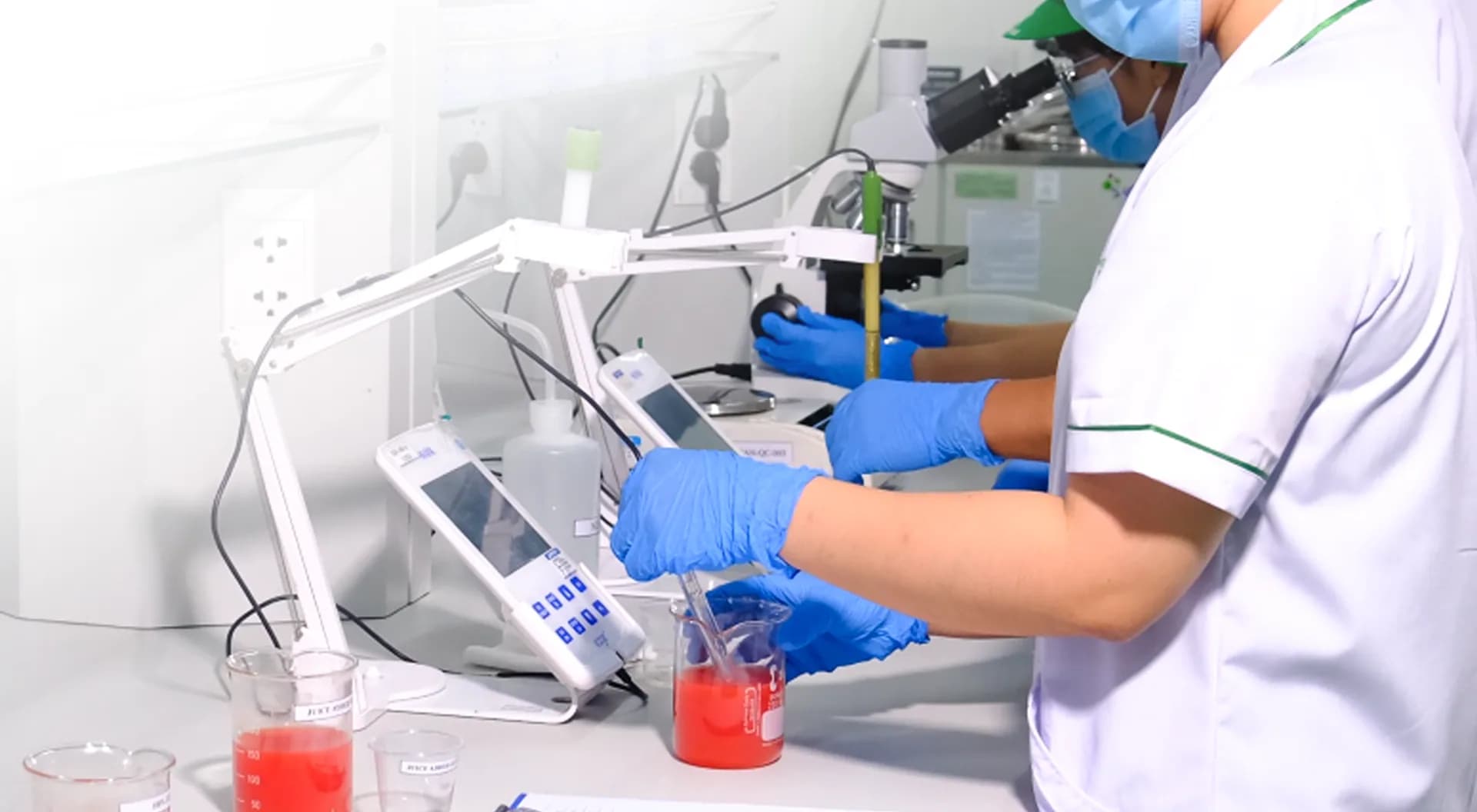
Agree the concept, development scope, information gaps and criteria for evaluating samples.
Assess the sample against the brief. Consolidate feedback on the characteristics that need to change or remain fixed.
Identify the sample version, requested adjustments and decisions still open. Keep feedback attached to the reference under review.
Review the accepted direction alongside the specification, packaging and quality requirements before confirming manufacturing scope.
A preferred sample is a starting point for the next decision. Agree the product reference, specification version, packaging requirements and any remaining conditions before manufacturing proceeds.
Discuss formula ownership, permitted use and exclusivity in writing. Commercial terms and production timing are confirmed for the project.
If your beverage formulation and specification are already defined, OEM manufacturing may be the more appropriate starting point. If you prefer to select an available beverage for your own brand, explore Private Label.
An early brief is a useful starting point. The team will identify the additional information needed to define development scope and sample criteria.
No default revision entitlement is implied. Sample rounds, costs and timing are agreed within the development arrangement.
You can include the target in the brief. Feasibility and any final claim need assessment for the formula, evidence and destination market.
Ownership, permitted use and exclusivity need to be agreed in writing. They are not determined by the ODM label alone.