
Start with a listed format and review matching product references. These examples show packaging used in the catalog; the final configuration is agreed for the selected beverage and project.
Preparing your view…
BEVERAGE PRODUCTS · PACKAGING FORMATS
Compare can and bottle references, explore the products behind each format and build a packaging brief around your beverage, brand and destination market.
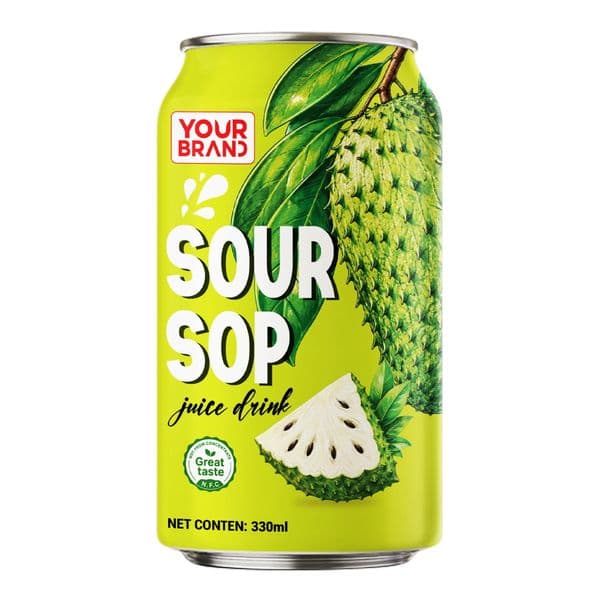
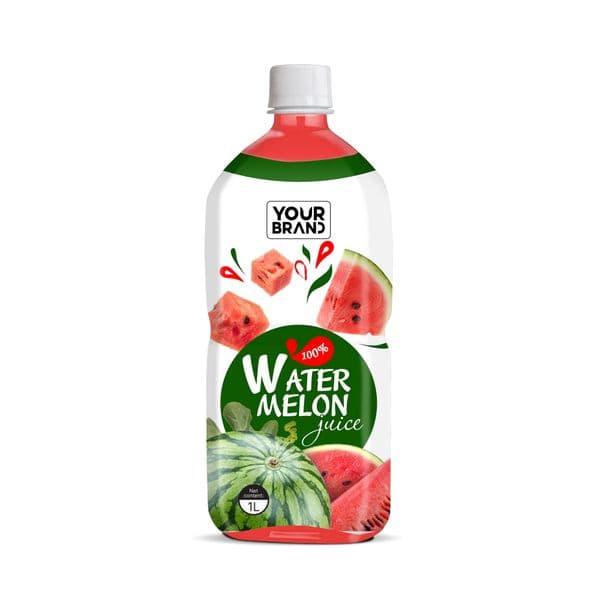
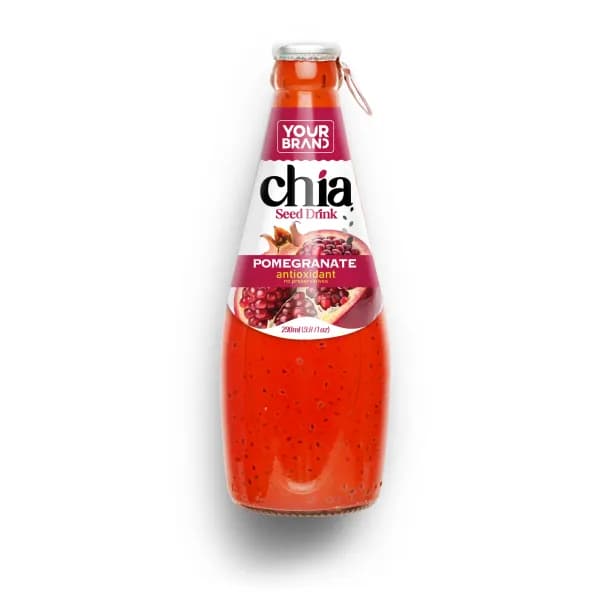
Start with a listed format and review matching product references. These examples show packaging used in the catalog; the final configuration is agreed for the selected beverage and project.
Review listed can products, then confirm the can style, nominal volume and artwork for the selected beverage.
View aluminium cans referencesExplore listed PET bottle products. Review the bottle, closure and label together with the beverage specification.
View pet bottles referencesCompare listed glass bottle products. Confirm the container, closure and secondary packing for the project.
View glass bottles referencesShare the nominal volume, container preference and opening or closure requirements. Include drawings or a reference sample where available.
Align label or printed-pack information, language, artwork version and required product identification for your market.
Specify the proposed units per case, outer packaging and handling requirements. Confirm each flavour and size as a separate configuration.
A format listed for one product is not automatically suitable for every formula. Review the beverage and packaging combination before confirming the route.
Once the format is agreed, coordinate artwork, pack information and the packaging details required for the project.
Open the linked product references and use the catalog packaging and volume filters. Labels are preserved from the source, so related variants such as slim cans or swing-top glass bottles may have separate filter values.
Share drawings, a reference or the required dimensions. Sourcing, tooling, order scale and beverage compatibility need project-specific review.
The product, processing route, container and closure must be reviewed together. A catalog example does not establish universal compatibility.
No fixed case configuration is implied here. Confirm the units, outer pack and shipment requirements for each product and order.
Share the product reference, intended market, container, volume and expected order scale. Add closure, artwork and case requirements so the team can review the complete configuration.