
A Comprehensive Guide to Aloe Vera Drink Private Label Production

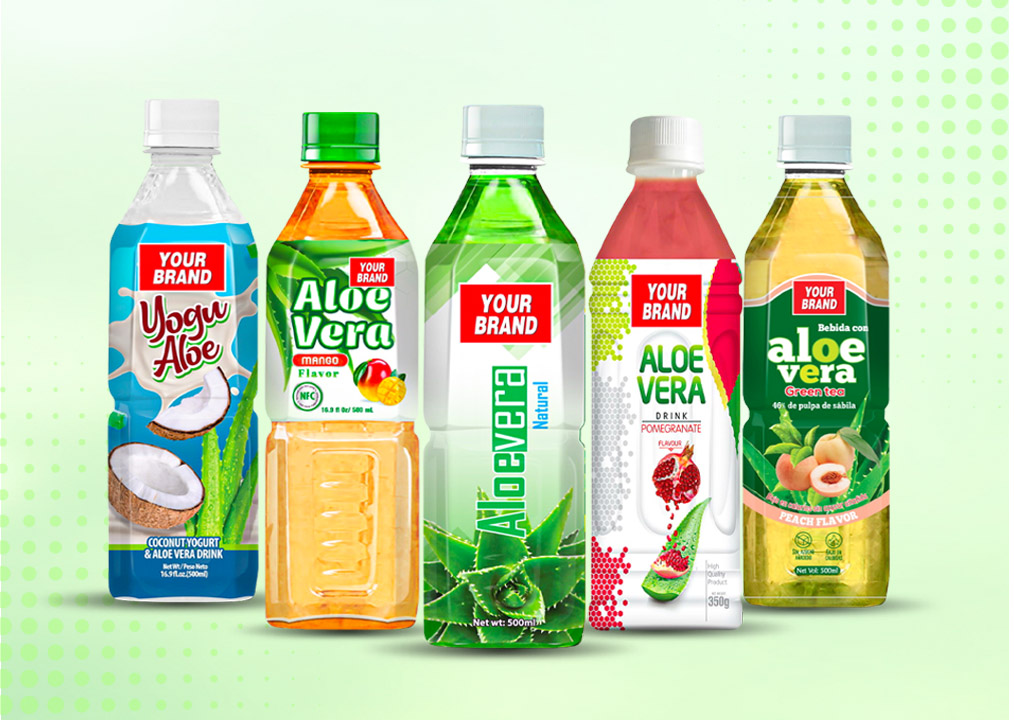
1. Introduction to Private Label for Aloe Vera Drinks and Its Strategic Value
Aloe vera drinks have evolved far beyond a niche health trend. Today, they are a globally recognized functional beverage category, prized for their hydrating properties, digestive benefits, and refreshing taste. The clear, cubed aloe pulp suspended in a lightly flavored liquid offers a unique textural experience that appeals to health-conscious consumers worldwide.
In this rapidly expanding market, choosing Private Label production is a critical strategic decision. A well-positioned private label aloe vera drink enables businesses to:
Control Margins and Pricing: Reduce dependence on fluctuating prices from major established brands.
Build a Unique Brand Identity: Customize elements such as pulp percentage, flavor profiles (e.g., aloe with mango or lychee), and packaging design to create a distinctive market presence.
Ensure Supply Chain Resilience: Collaborate directly with an aloe vera contract manufacturer to secure a consistent supply of raw materials and finished goods—especially vital for products using specialized ingredients like aloe vera.
This comprehensive guide is designed for retailers, distributors, and entrepreneurs seeking to capitalize on this growing segment. It covers market dynamics, outlines key benefits, defines criteria for selecting an aloe vera private label manufacturer, and explains the full end-to-end production process.
2. Market Context and Relevance for Beverages
The global functional beverage market, where aloe vera drinks play a significant role is experiencing strong, sustained growth. Consumers are steadily shifting away from carbonated sodas and artificial drinks toward healthier, naturally functional alternatives. Aloe vera beverages align perfectly with this shift, offering perceived health benefits without the heavy sugars or synthetic additives commonly found in traditional beverages.
Relevance to the Beverage Market
- Functional Appeal: Aloe vera is widely associated with digestive support, gut health, and detoxification, providing a clear functional claim that resonates strongly with today’s health-focused consumers.
- Textural Innovation: The presence of soft, chewable aloe pulp provides a unique sensory experience that differentiates aloe beverages from standard juices, teas, or flavored waters.
- Flavor Versatility: With its neutral base, aloe allows manufacturers to develop a wide range of flavor combinations, making it appealing to diverse consumer demographics.
Trend of Rising Private-Brand Quality and Acceptance
Historically, private-label beverages were viewed as lower-cost alternatives to national brands. Today, this perception has shifted dramatically. Across major markets in North America, Europe, and Asia, the quality of private-brand beverages now frequently equals—or even exceeds—that of established national players. Key factors driving this shift include:
- Manufacturer Expertise: Specialized aloe vera beverage OEMs now operate world-class production facilities with advanced R&D capabilities, enabling consistent, high-quality product output.
- Retailer Investment: Leading retailers are investing heavily in branding, packaging, and flavor innovation for their private labels, elevating them to a premium look and feel.
- Consumer Value: Shoppers increasingly recognize that private-label functional beverages offer comparable quality at superior value. This rising trust has accelerated private-brand adoption and long-term loyalty.
As a result, partnering with an experienced functional aloe vera beverage OEM represents a highly viable and forward-looking strategy for companies entering or expanding in the functional beverage category.
3. Benefits and Risks of Choosing Private Label vs. Other Paths
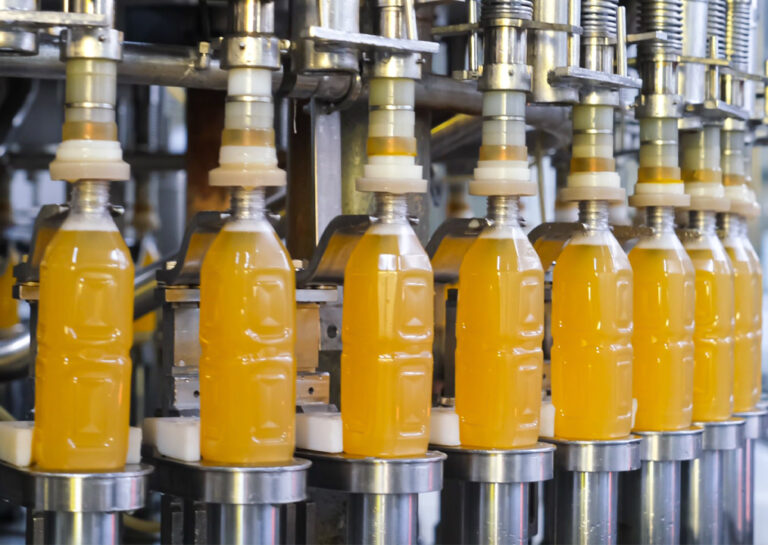
When entering the aloe vera beverage market, businesses typically evaluate three primary options: distributing an existing national brand, setting up in-house manufacturing, or choosing the Private Label model.
Benefits of Private Label (Working with an Aloe Vera Co-Packer)
- Higher Profit Margins:
By bypassing the national brand’s marketing overhead and pricing structure, you retain more of the profit per unit sold. - Full Product Customization:
You gain control over key elements such as sugar content, pulp size, aloe percentage, added vitamins, packaging format (PET, glass, can), and overall flavor profile. - Low Capital Investment:
Private label eliminates the need to build a costly production facility, significantly reducing operational risks and upfront financial commitments. - Speed to Market:
An experienced aloe vera beverage co-packer can move a product from concept to full-scale production far faster than establishing internal manufacturing capabilities.
Risks Associated with Private Label
- Quality Control Dependency:
Your product consistency depends heavily on the manufacturer. Working with a partner lacking strong QC systems or international certifications poses serious risks. - Minimum Order Quantities (MOQs):
Many co-packers require sizable MOQs, which may challenge small or newly established brands. - Supply Chain Vulnerability:
Reliance on the manufacturer’s sourcing of aloe vera raw materials may expose you to delays if their supply chain is unstable.
Comparison to Other Approaches
- In-house manufacturing demands major capital expenditure, long setup times, and technical expertise.
- Distributing national brands offers minimal margins and no control over product or brand identity.
- Private label provides the best balance of control, profitability, flexibility, and manageable risk — making it the most strategic choice for most market entrants.
4. Key Criteria for Selecting a Private Label Partner
Choosing the right private label aloe vera drink partner is one of the most critical decisions for your brand’s long-term success. The ideal partner should be more than a manufacturing facility they must act as a strategic collaborator.
International Certifications & Quality Assurance
These are non-negotiable foundations. A qualified partner should hold:
- FSSC 22000 / ISO 22000 – Comprehensive food safety management systems
- BRC Global Standard – Often mandatory for distribution through major EU/UK retailers
- FDA Registration – Essential for export to the United States
- Halal / Kosher Certifications – Required when targeting specific consumer segments
Specialized Aloe Vera Processing Expertise
Aloe vera demands precise and gentle processing to preserve its functional properties and pulp integrity. Your manufacturer must demonstrate proven capabilities in:
- Pulp Stabilization – Maintaining firm, clear aloe cubes without degradation
- Hot-Fill or Aseptic Technology – Ensuring extended shelf life without chemical preservatives
- R&D and Customization Capability
A strong aloe vera OEM partner should maintain an in-house R&D team capable of:
- Developing bespoke, shelf-stable formulations (new flavors, vitamin or functional fortifications)
- Providing regulatory guidance on ingredient declarations and nutritional labeling across international markets
Raw Material Sourcing Strength
Reliable access to high-quality raw materials is essential. Ensure your aloe vera co-packer has stable, ethical sourcing channels for fresh aloe leaves, guaranteeing consistent quality, supply continuity, and price stability.
5. End-to-End Process: From Concept to Finished Product
Bringing an aloe vera private label beverage from concept to shelf is a structured and collaborative journey. Our process is designed to ensure clarity, compliance, and consistent product quality at every stage.
1. Concept Definition
You define the core product vision (e.g., organic aloe vera, zero-sugar formulation, exotic fruit blends).
2. R&D & Sample Development
Our in-house R&D team develops multiple prototype samples based on your specifications, including flavor profile, sweetness level, and aloe pulp ratio. This phase includes tasting sessions and refinement cycles.
3. Regulatory & Compliance Review
We provide guidance on ingredient selection and labeling to ensure compliance with your target market’s regulations (e.g., EU food additive rules or U.S. NLEA labeling requirements).
4. Packaging Design Finalization
The brand finalizes label artwork and packaging format (PET bottle, glass bottle, etc.) in accordance with our technical and filling specifications.
5. Quotation, Contract & MOQs
Pricing, payment terms, and minimum order quantities are confirmed, followed by contract execution.
6. Pre-Production & Material Sourcing
The brand supplies proprietary packaging components (pre-printed labels, caps), while we secure approved raw materials such as aloe pulp, juice bases, and flavor ingredients.
7. Mass Production
Manufacturing is carried out under strict quality control protocols, including inspections during filling, sealing, and sterilization.
8. Final Quality Control & Documentation
Finished products undergo final QA checks. We issue all required export documentation, including COAs (Certificates of Analysis) and relevant health certificates.
9. Logistics & Export
Products are packed and shipped via FCL or LCL to the destination port, completing the end-to-end private label manufacturing process.
6. Preparation Checklist Before Contacting Manufacturers
Consider a distributor in the UK aiming to launch a "Zero Sugar Detox Aloe Drink."
Goal: A high-end, zero-sugar, naturally flavored aloe vera drink for the functional health segment.
Decision Flow: The distributor searches for an experienced functional aloe vera beverage OEM with BRC and FSSC 22000 certifications. They specify the need for Erythritol/Stevia blending (not just standard sucrose) and require a smaller, premium glass bottle format.
Co-packer Solution: The aloe vera contract manufacturer (co-packer) proposes a formula using 30% premium inner-leaf aloe pulp, a specific blend of Erythritol and Stevia for optimal taste (to avoid the bitter aftertaste of Stevia alone), and confirms their Hot-Fill process can guarantee a 24-month shelf life. They provide the necessary BRC certification to satisfy UK retailers.
Outcome: The collaboration leads to a product that is perfectly tailored to the UK's demanding health market, distinguishing itself from competing, sugar-heavy aloe brands. This successful outcome is a direct result of choosing a partner capable of meeting precise functional and regulatory specifications.
7. Example Scenario: Illustrating the Decision-Making Process
Consider a distributor in the UK aiming to launch a "Zero Sugar Detox Aloe Drink."
Goal: A high-end, zero-sugar, naturally flavored aloe vera drink for the functional health segment.
Decision Flow: The distributor searches for an experienced functional aloe vera beverage OEM with BRC and FSSC 22000 certifications. They specify the need for Erythritol/Stevia blending (not just standard sucrose) and require a smaller, premium glass bottle format.
Co-packer Solution: The aloe vera contract manufacturer (co-packer) proposes a formula using 30% premium inner-leaf aloe pulp, a specific blend of Erythritol and Stevia for optimal taste (to avoid the bitter aftertaste of Stevia alone), and confirms their Hot-Fill process can guarantee a 24-month shelf life. They provide the necessary BRC certification to satisfy UK retailers.
Outcome: The collaboration leads to a product that is perfectly tailored to the UK's demanding health market, distinguishing itself from competing, sugar-heavy aloe brands. This successful outcome is a direct result of choosing a partner capable of meeting precise functional and regulatory specifications.
8. Call to Action
The private label opportunity in the aloe vera beverage market is significant—but success depends on partnering with a manufacturer capable of delivering consistent quality, technical expertise, and global regulatory compliance.
Choosing the right aloe vera beverage OEM can determine whether your product launches successfully or faces costly delays.
Don’t compromise on quality or compliance. Partner with a manufacturer that understands functional beverage formulation, certification requirements, and international export standards.
Contact the experts at NAM VIET GROUP today to discuss your aloe vera private label project and receive our downloadable project checklist to accelerate your product launch.
 Contact Us:
 WhatsApp: +84 989 973 864
 Website: www.namvietgr.com
 Email: info@namvietgr.com
 Alibaba (B2B): vinut.trustpass.alibaba.com