1. Introduction to Coconut Water Private Label: Strategic Importance
Coconut water is evolving from a conventional refreshing drink into a globally favored "superfood". Thanks to its superior qualities, rich in electrolytes, low in calories and naturally crispin flavor, coconut water has become an essential product in the modern portfolio of any retailer or beverage brand.
In today's highly competitive market, the decision to build a private label coconut water brand is not just about following a trend, it is a smart, high-impact business strategy. This approach offers businesses significant advantages in controlling profit margins, reducing dependency on large brands, and optimizing operational costs. More importantly, it allows brands to establish a unique identity by customizing formulations, packaging design, and brand story, thereby creating clear differentiation in the market.
Furthermore, the private label model enables brands to quickly capture market trends and adapt products to local tastes without the rigid processes typical of multinational corporations. This detailed guide provides a comprehensive overview, covering market analysis, risk assessment, and the specific implementation steps required for a successful partnership with a reputable coconut water private label manufacturer.
2. Market Context and Relevance to the Beverage Industry

The global coconut water market is experiencing strong growth and is expected to continue expanding in the coming years. This expansion is driven by the global health and wellness trend, as consumers increasingly prioritize natural, preservative-free, and low-sugar options—criteria that coconut water perfectly meets. Moreover, coconut water is finding diversified applications, not only consumed directly but also incorporated into electrolyte-boosting sports drinks, smoothies, and mixology recipes.
The rise of private labels has become a key trend in the beverage industry. Leading global retail chains are actively promoting private labels to enhance customer loyalty and maximize profitability. Coconut water presents an ideal opportunity to implement this strategy. Partnering with a professional coconut water private label manufacturer can help your brand mitigate the financial risks of investing in production infrastructure. It also allows you to focus resources on core activities such as marketing, brand building, and expanding distribution channels.
3. Evaluating Benefits and Risks of Private Label Versus Other Paths
When entering the market, businesses typically face three options: building an in-house factory, distributing products from established major brands, or adopting the private label (OEM/ODM) model.
In-house manufacturing provides complete control over quality and formulation, but it requires substantial upfront investment in production lines and R&D. This path also carries complex operational risks and significantly prolongs time-to-market. Conversely, distributing major brands offers lower risk and benefits from existing market recognition; however, it often leads to thin profit margins and minimal product differentiation, increasing exposure to price competition.
The private label model—whether through a coconut water OEM, co-packer, or contract manufacturer—offers the most effective and balanced approach. Its primary advantage lies in achieving higher profit margins compared to distributing existing brands, while ensuring a much faster time-to-market than building your own facilities. Contract manufacturing also gives you flexibility in formulation and packaging, while allowing immediate access to the manufacturer’s advanced technology and international quality certifications.
The main potential risk is dependency on the chosen manufacturer’s R&D capability and quality control processes. Therefore, selecting the right partner becomes the most critical factor for long-term success.
4. Key Selection Criteria for a Private Label Partner
Selecting the right manufacturing partner is a critical decision that can determine up to 80% of your private label coconut water brand’s success. To ensure a strong and sustainable partnership, you should rigorously evaluate potential manufacturers based on four essential criteria:
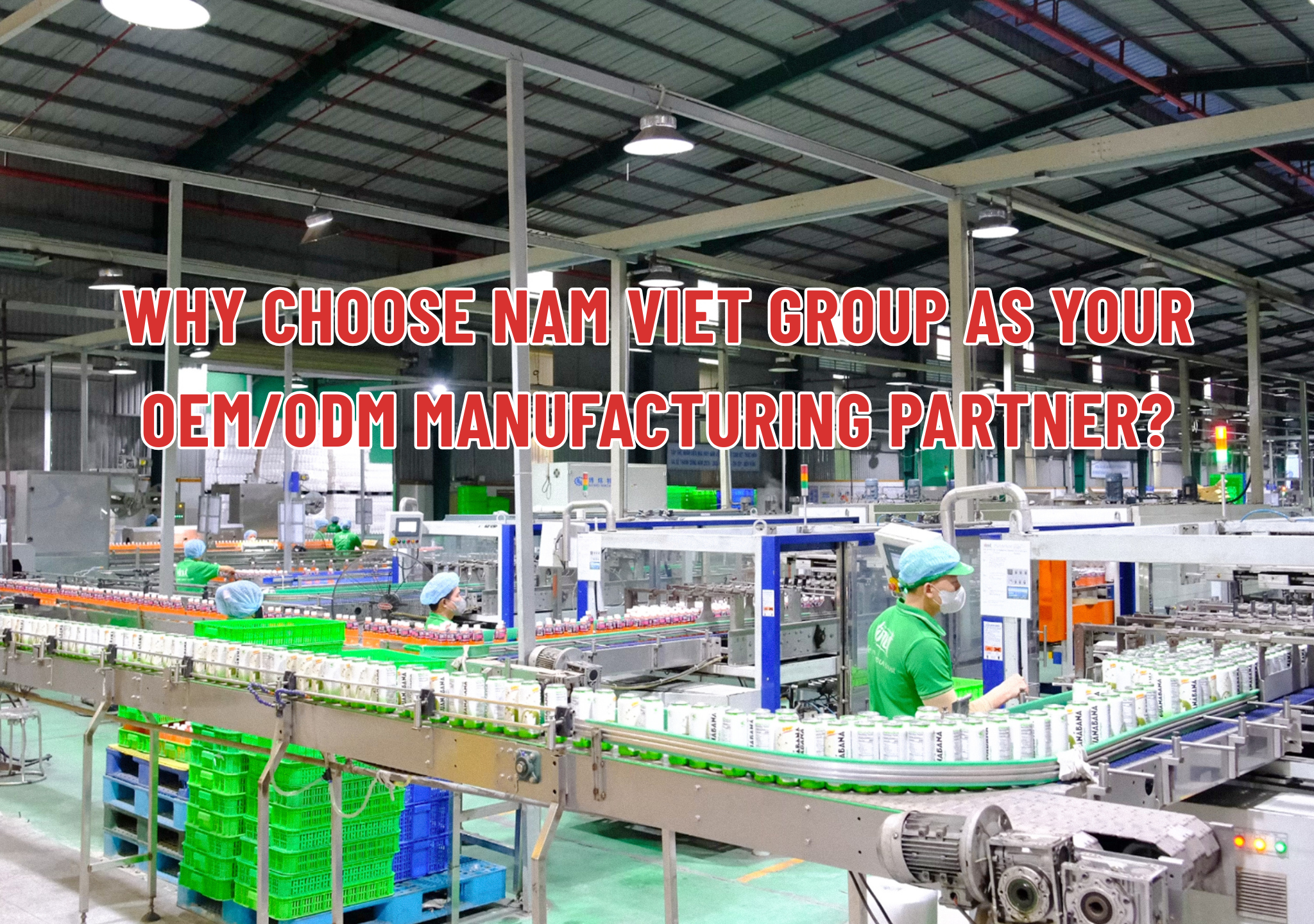
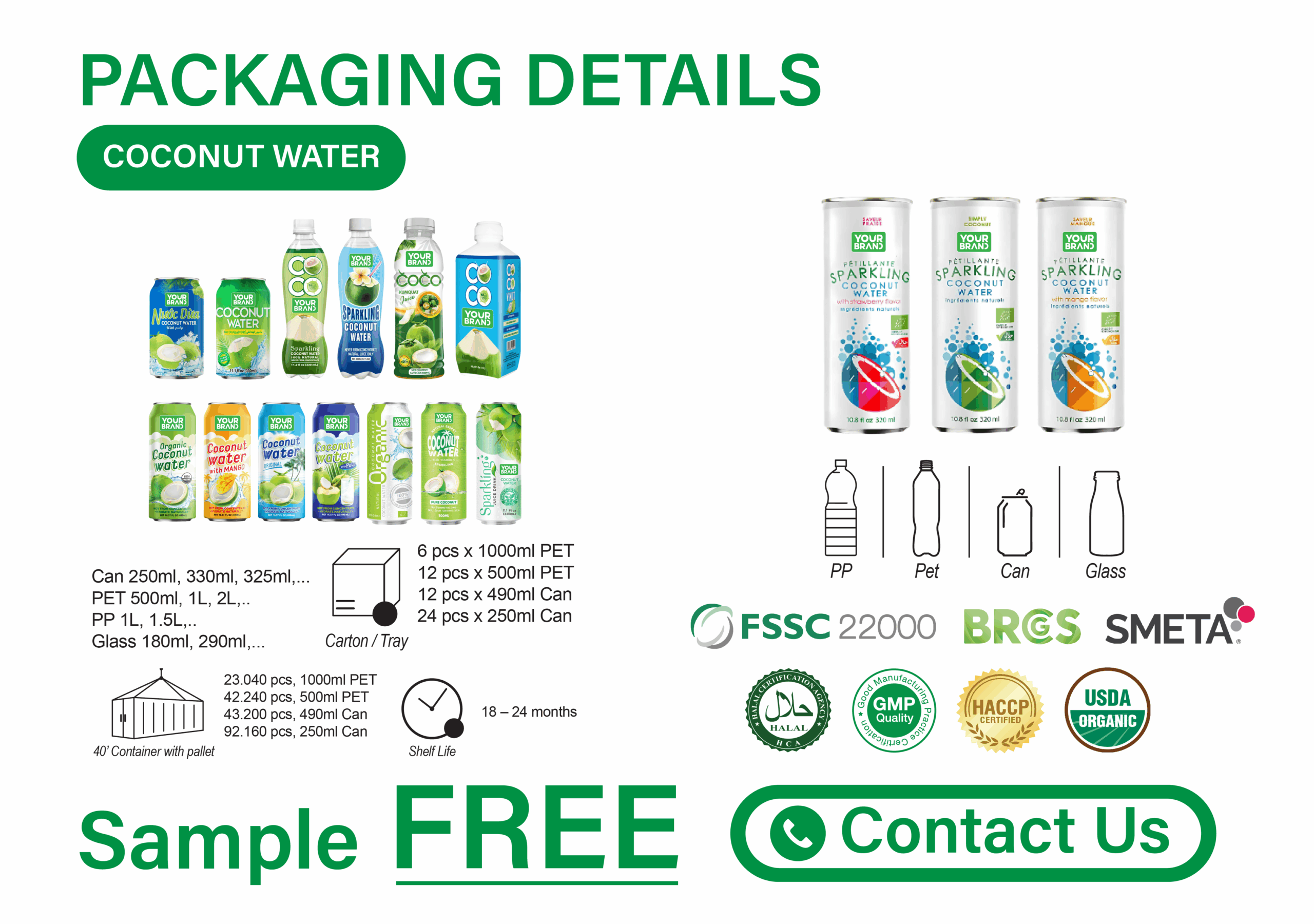
4.1. Manufacturing Capacity and TechnologyYour partner must possess advanced filling technologies such as Aseptic Cold Filling or UHT (Ultra High Temperature). These technologies are essential for preserving coconut water’s natural flavor and nutrients while ensuring a long shelf life without preservatives. Additionally, assess their operational scale and flexibility, including the ability to manage both small MOQs for trial runs and large-volume orders, as well as their capability to process multiple packaging formats such as aluminum cans, PET bottles, and cartons.