Aloe Vera Drinks: Ingredients, Pulp & Label Guide | Nam Viet Group
NAM VIET INSIGHTS
What Is an Aloe Vera Drink? Ingredients, Pulp and Label Basics
What is an aloe vera drink? Understand aloe gel, pulp, sweeteners and ingredients, then learn how to compare labels without confusing a finished drink with aloe extracts.
7 min read
An aloe vera drink is a packaged beverage containing an aloe-derived ingredient, often combined with water and sometimes with soft aloe pieces. Depending on the recipe, it may also contain fruit juice, sweeteners, flavorings or ingredients that help maintain its texture. The word “aloe” on the front does not tell you how much is in the bottle, whether the pieces are present, or how much sugar you will drink. The ingredient list and nutrition panel are the better starting points.
What is aloe vera in a beverage?
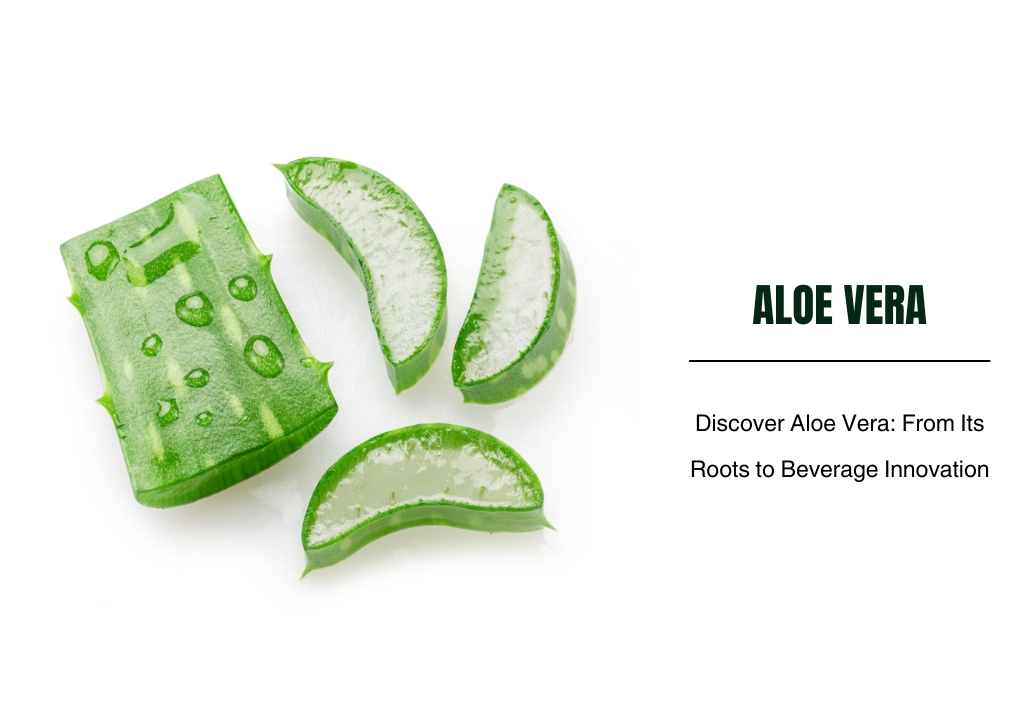
Aloe vera is a plant with thick leaves that contain a clear, gel-like inner portion. This is the material many people picture when they think of an aloe drink. However, the plant can be processed in different ways, and those differences matter. The U.S. National Center for Complementary and Integrative Health (NCCIH) distinguishes inner-leaf gel from the latex associated with the outer part of the leaf and from whole-leaf preparations. They are not interchangeable ingredients.
In the beverage aisle, “aloe vera drink” generally describes a finished, formulated product, not a raw leaf or a medical aloe preparation. Some drinks use prepared aloe juice or gel in the liquid. Others include aloe pieces that are visible through the bottle. There is no single recipe that describes every product in this category. Even two bottles with similar front labels can contain different amounts and forms of aloe.
What ingredients might you find in an aloe vera drink?
The simplest way to understand a particular product is to read its ingredient list from start to finish. Water may be the main ingredient. A recipe can also include aloe vera juice, prepared aloe pulp or gel, fruit juice, sugar or other sweeteners, flavorings and permitted food additives. The presence of any one of these ingredients depends on the actual formula, not on the category name.
A fruit flavor does not necessarily mean fruit juice is present. Check whether a named juice or only a flavoring appears on the ingredient list. Similarly, visible aloe pieces do not establish the proportion of aloe in the finished beverage.
In the United States, the Food and Drug Administration (FDA) explains that ingredients generally appear in descending order of predominance by weight, subject to specific labeling exceptions. This helps you understand which ingredients are prominent in the recipe. It does not, by itself, give the exact percentage of every ingredient.
LET'S TAKE THE NEXT STEP
Discuss your beverage requirements.
Share your market, product and preferred packaging with our team.
For many buyers, pulp is the clearest difference between one aloe beverage and another. In an aloe drink, the word usually refers to pieces of processed aloe material that add a soft, slightly chewy texture. In a clear or strained version, those pieces may be absent even though an aloe-derived liquid ingredient is present.
Do not confuse aloe pulp with fruit pulp, and do not assume that visible pieces automatically make a drink a significant source of dietary fiber. Whether the finished drink contains meaningful fiber is a question for its nutrition information, not its appearance. A smooth drink and a pulpy one can also have very different sugar levels.
The rest of the formula affects how the drink feels. Acidity regulators may influence tartness, while stabilizers can affect how particles are suspended or how the texture holds up. The FDA’s ingredient overview describes several such ingredient functions. If the package instructs you to shake before serving, follow that product-specific direction rather than assuming every aloe drink should be handled alike.
A practical aloe drink label checklist
Imagine comparing two bottles that both say “aloe vera” in large letters. One is sweet and contains many soft pieces. The other is lightly flavored with no visible chunks. Their names might look similar, but their ingredient lists and nutrition panels may tell different stories. Use the same questions for each bottle.
What to check
Why it matters
Product description
Identifies whether it is presented as an aloe beverage, a juice blend or another format. A front-label phrase is not a full formula.
Ingredient list
Shows which aloe-derived ingredient is declared and whether water, fruit juice, sweeteners or additives are present.
Aloe amount or percentage, if stated
Provides more useful detail than the plant illustration alone. Compare the wording and whether it covers juice, pulp or both.
Nutrition panel and serving size
Allows a fairer comparison of sugars, calories and other declared nutrients on an equivalent basis.
Preparation and storage directions
Explains any shaking, refrigeration after opening or other package-specific handling instructions.
The European Commission’s labeling overview describes ingredient, nutrition and storage information for prepacked EU foods. Exact requirements depend on the product and selling market. An export label therefore needs local review rather than copying another country’s design.
How much sugar is in an aloe vera drink?
There is no useful universal sugar figure for “aloe vera drinks.” Sweetened and unsweetened formulas exist, and the presence of aloe says nothing reliable about the added-sugar content. Check the nutrition values on the actual package. If comparing different bottle sizes, use the same stated quantity or serving basis rather than comparing the front-panel numbers directly.
Fruit flavor, sweet taste and a photograph of aloe cannot replace these numbers. The label offers a more useful answer than a general statement that aloe drinks are either “healthy” or “high in sugar.” Both descriptions are too broad without a specific product and measurement.
Does an aloe drink offer the same benefits as aloe gel or supplements?
Not necessarily. Research on a gel, whole-leaf extract, topical preparation or dietary supplement is not automatically evidence about a diluted beverage. Those products differ in the part of the plant used, the processing method and the dose studied. Even when researchers observe an effect in a specific preparation, that does not establish the same outcome for a ready-to-drink product.
There are also important safety distinctions. According to NCCIH, oral aloe latex can cause abdominal cramps and diarrhea, while evidence and safety assessments vary by preparation. This is not a reason to describe every commercial aloe drink as identical to aloe latex. It is a reason to avoid treating all materials called “aloe” as interchangeable or making blanket safety claims.
In particular, a bottled beverage should not be promoted as a treatment for digestive disorders, a detox treatment or a way to manage a medical condition based solely on the aloe plant’s reputation. Anyone considering aloe products for a health purpose, especially while taking medicines or during pregnancy or breastfeeding, should seek appropriate professional advice. Product-specific ingredient safety and compliance also require the manufacturer’s documentation.
What should beverage buyers verify beyond the front label?
For an importer or distributor, a label review is only the first layer. The next step is to request a product specification that identifies the aloe ingredient, how the stated aloe content is calculated, the formulation’s sugar profile, and any relevant tests or controls. Ask for the finished-product label intended for the destination market, not just an attractive product rendering.
If pulp is a selling feature, verify its identity and the sensory characteristics that customers will actually experience. If a product makes a nutrition or functional claim, ask for the claim’s specific evidence and a market-by-market regulatory review. Shelf-life and storage statements should be supported by the finished-product specification. These are due-diligence questions, not proof that any particular aloe drink meets a standard.
The bottom line
An aloe vera drink is defined by its actual formula, not just the plant on its packaging. Some contain prepared aloe pieces, others are smooth, and their sweeteners and nutrition profiles can vary. Read the ingredient list, check for details about the aloe material, compare sugars on an equal serving basis and follow the package instructions. Keep research on aloe extracts or latex separate from claims about finished beverages. For commercial decisions, obtain product-specific documentation before approving ingredient, nutrition or health statements.
Frequently asked questions
Can an aloe-flavored drink contain no fruit juice?
Yes. Fruit flavor may come from flavoring rather than a declared fruit juice ingredient. Read the ingredient list for the specific product, and do not infer juice content from a fruit picture or flavor name.
Are the jelly-like pieces in every aloe drink made in the same way?
No. The size, form and preparation of visible aloe pieces depend on the recipe. If texture matters, check the ingredient description and request a product sample or specification.
Can I assume an aloe beverage is high in fiber because it has pulp?
No. Visible pieces alone do not establish a meaningful fiber amount. Use the finished product's nutrition declaration for any fiber comparison.
What should an importer check before approving a health-related aloe claim?
Request evidence specific to the ingredient form and finished product, then obtain a review against the destination market's advertising and food-labeling requirements. Research on aloe latex or concentrated supplements cannot simply be transferred to a beverage.