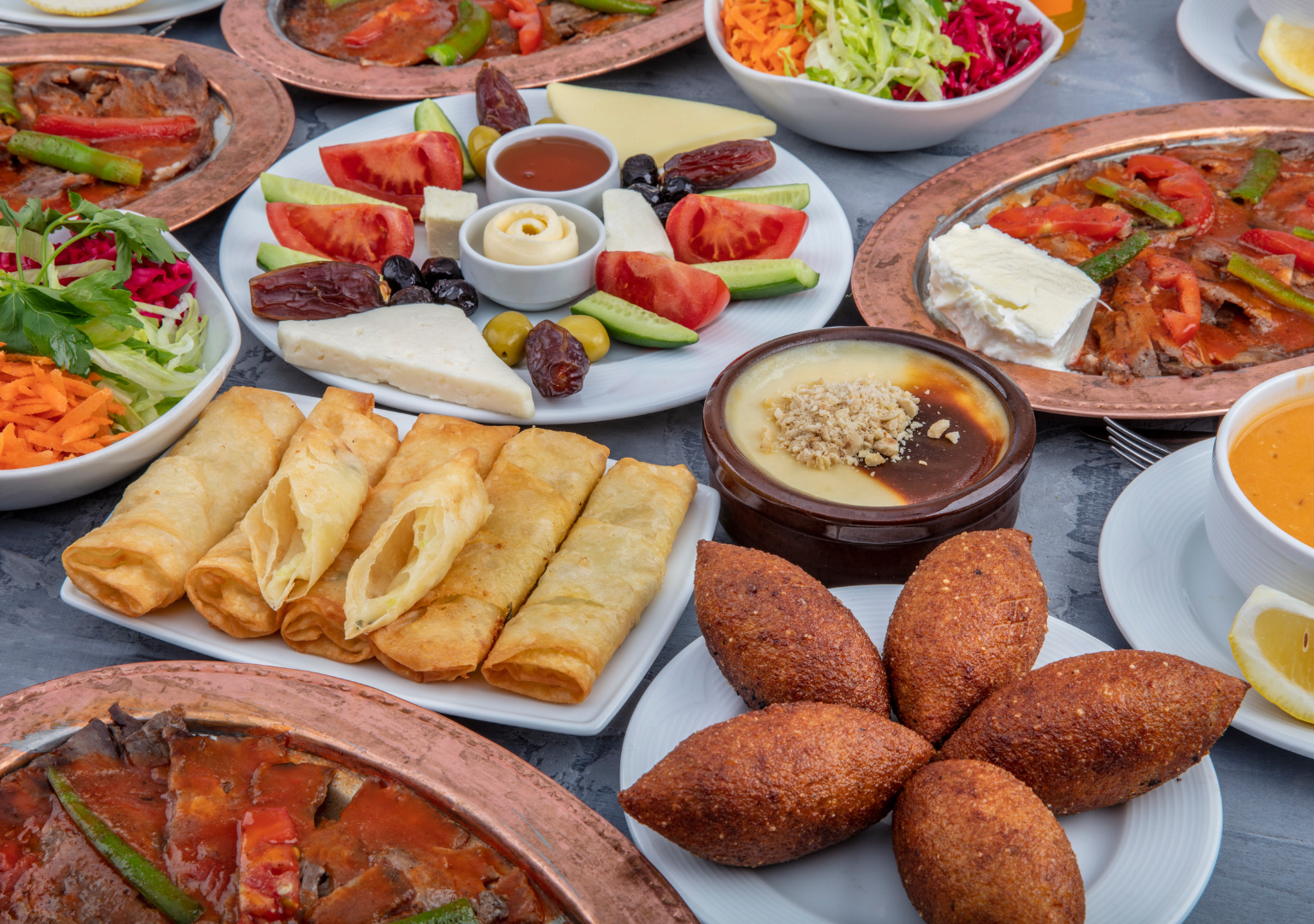
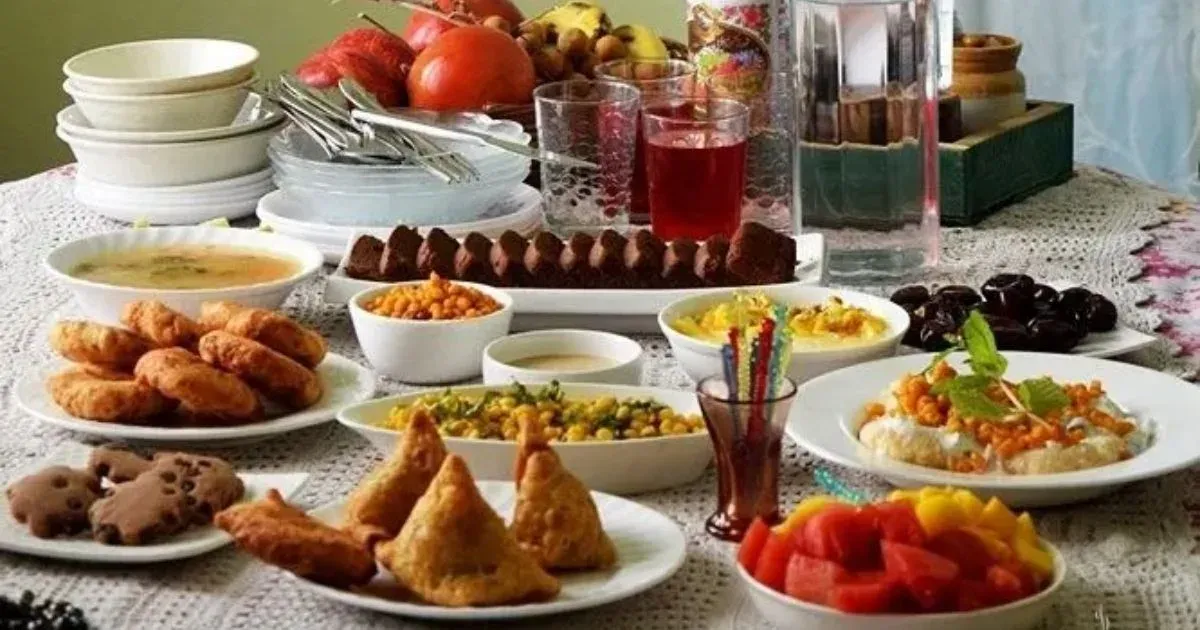
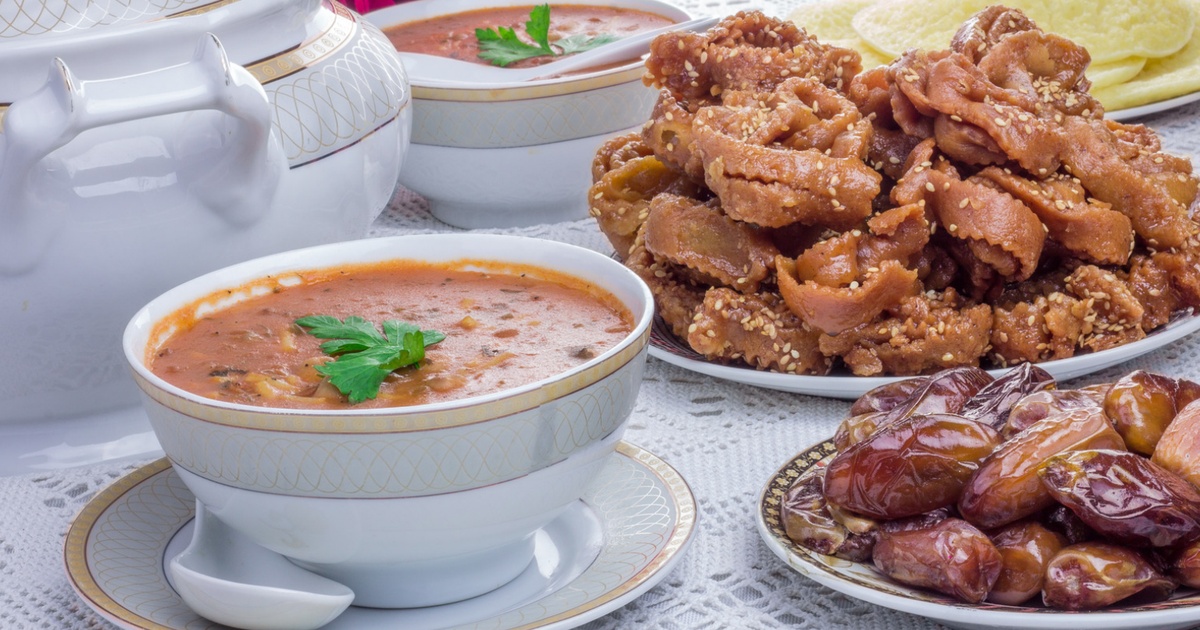
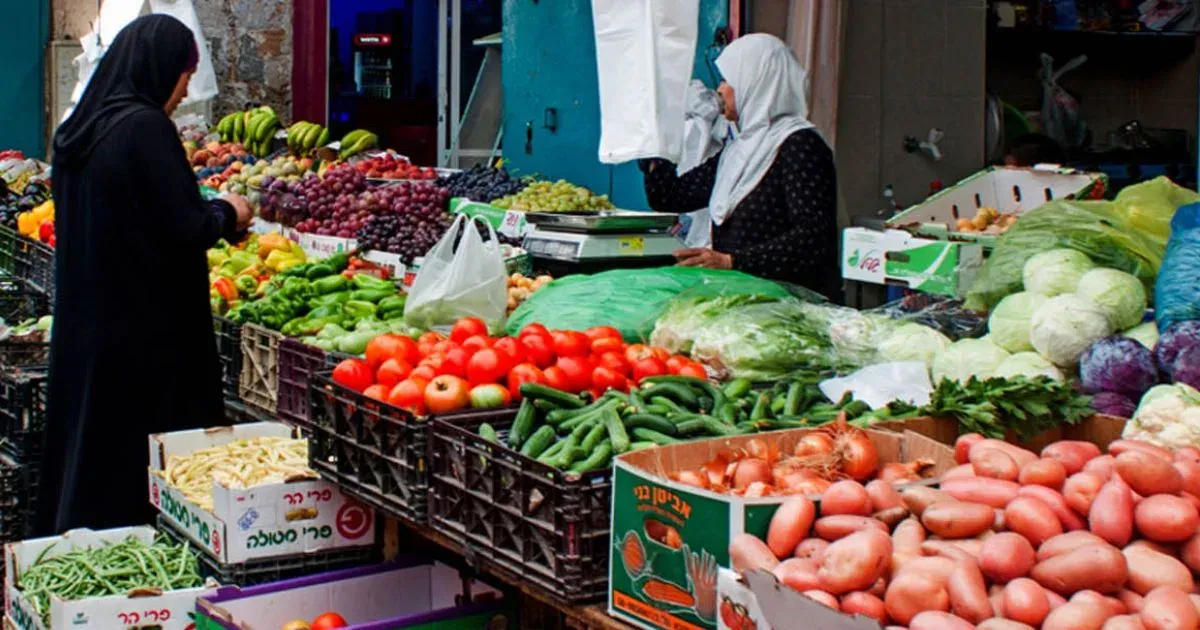
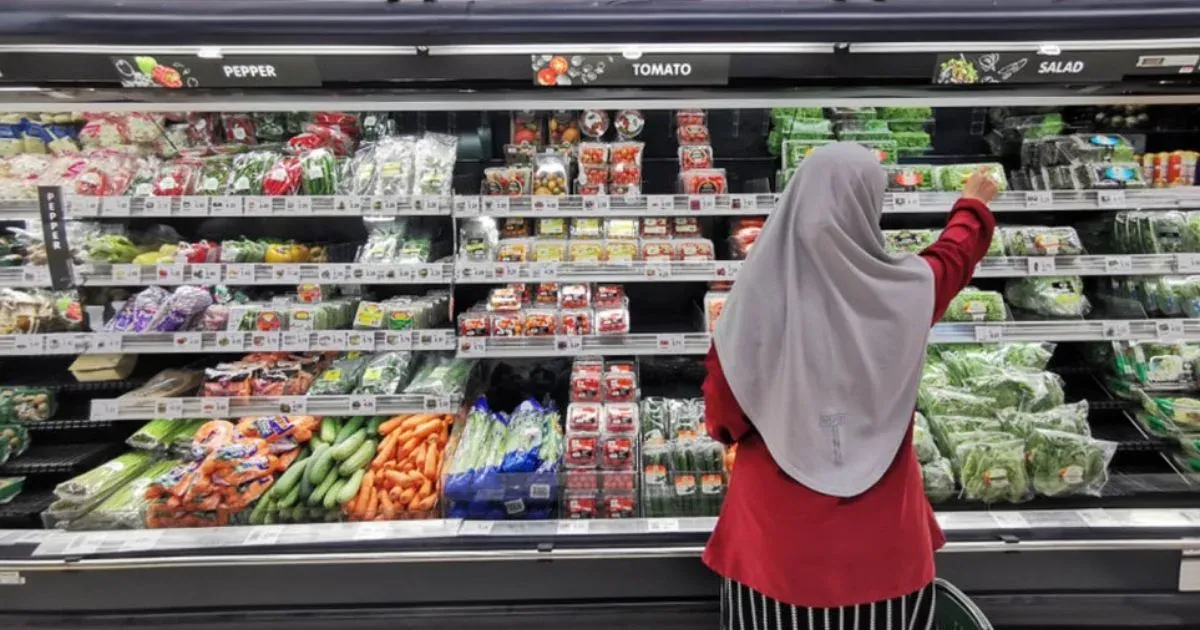
Plan meals for Ramadan with a practical grocery checklist, easy Iftar and Suhoor ideas, weekly meal plans, batch cooking tips, hydration guidance, and food storage advice to save time and reduce food waste.
By Team Nam Viet Group
Ramadan Meal Planning, Grocery Checklist and Preparing for Ramadan
Ramadan changes the daily rhythm of eating. Muslims who observe the fast refrain from food and drink from dawn until sunset, with Iftar marking the end of the daily fast and Suhoor taking place before dawn.
With a different eating schedule, planning meals ahead can make everyday life more manageable. Organizing groceries, preparing ingredients and deciding on flexible meal combinations can help reduce last-minute cooking, unnecessary purchases and food waste.
A Ramadan meal plan does not need to include 30 completely different menus. A simpler approach is often more practical: plan the basics, prepare versatile ingredients, keep a variety of foods available and leave room for family traditions and spontaneous gatherings.
This guide covers Ramadan meal planning, a practical grocery checklist, Iftar and Suhoor ideas, batch cooking, hydration and food storage to help you prepare for Ramadan.
1. Ramadan Meal Planning at a Glance
Before Ramadan begins, take time to organize your kitchen and plan how meals will fit into your schedule.
A practical preparation checklist includes:
Check your pantry, refrigerator and freezer.
Plan several reusable Iftar and Suhoor combinations.
Create a grocery list organized by food category.
Stock useful pantry staples.
Prepare and freeze suitable foods in advance.
Organize drinking water and other hydration options.
Wash or prepare selected fruits and vegetables when appropriate.
Avoid buying excessive quantities of perishable foods.
Leave room for family meals, invitations and leftovers.
Review food storage, thawing and reheating practices.
The goal is not to prepare every meal before Ramadan starts. It is to make daily food preparation easier while maintaining flexibility.
2. Why Plan Meals Before Ramadan?
Ramadan evenings can become busy with Iftar preparation, prayers, family gatherings, visits to relatives, work and household responsibilities. Preparing for the next day's Suhoor can add another task to the evening.
Without a basic plan, households may rely more frequently on last-minute takeaway meals, repeat the same dishes or purchase ingredients they do not use.
Ramadan meal planning helps answer three practical questions before the day begins:
What will we eat for Iftar?
What will we eat for Suhoor?
Which ingredients need to be prepared in advance?
Planning these details can make shopping, cooking and household responsibilities easier to manage.
3. Step 1: Plan Iftar and Suhoor Separately
Iftar and Suhoor take place at different times and serve different roles in the daily eating schedule. Planning them separately makes it easier to choose suitable meals and organize preparation.
3.1. Iftar
Iftar is the meal eaten after sunset to break the daily fast. A practical meal structure could be:
Water → Dates → Soup or Salad → Main Meal → Fruit or Dessert
The main meal can include vegetables, a source of protein, rice or another carbohydrate, and water. Fresh fruit can also be included.
For example:
Water, dates, lentil soup, grilled chicken, rice, salad and watermelon.
Water, dates, vegetable soup, chickpea stew, bread, yogurt and fruit.
These are flexible examples rather than fixed menus. Ingredients and dishes can change according to family preferences, local availability and cultural traditions.
3.2. Suhoor
Suhoor is the pre-dawn meal eaten before fasting begins. A practical structure is:
Water + Higher-Fibre Carbohydrate + Protein + Fruit or Vegetables
Possible combinations include:
Oats, yogurt, banana, nuts and water.
Whole-grain bread, eggs, cucumber, tomato, fruit and water.
Rice, lentils, vegetables, yogurt and water.
The aim is to choose a meal that provides a useful variety of nutrients rather than simply eating as much as possible before dawn. The World Health Organization recommends keeping Suhoor light but nutritious.
4. Step 2: Build a Flexible Ramadan Meal Plan
Creating a unique menu for every day of Ramadan can lead to long grocery lists, extra preparation, higher food costs and unused ingredients.
Instead, build a flexible meal framework around ingredients that can be combined in different ways.
4.1. Protein Rotation
Choose a variety of protein foods, such as:
Chicken
Fish
Eggs
Lentils
Chickpeas
Beans
Lean meat
Tofu or other plant-based proteins
4.2. Carbohydrate Rotation
Use carbohydrate foods that suit your household's usual meals:
Rice
Bulgur
Potatoes
Whole-grain bread
Couscous
Oats
Other locally available grains
4.3. Vegetable Rotation
Choose vegetables according to the season, availability, budget and dishes you intend to prepare.
Cucumber, tomatoes, carrots, leafy greens, broccoli, zucchini and eggplant can be used in salads, soups, stews and main dishes.
4.4. Soup Rotation
Soup can be prepared in different ways using overlapping ingredients. Options include:
Lentil soup
Vegetable soup
Chicken and vegetable soup
Tomato-based soup
By rotating a manageable selection of proteins, carbohydrates, vegetables and soups, you can create many meal combinations without buying ingredients for entirely different recipes every day.
5. Step 3: Sample 7-Day Ramadan Meal Plan
Planning one week at a time is often more practical than preparing a detailed menu for the entire month. It allows you to adjust the plan around changing schedules, family invitations and available ingredients.
Here is an example of a one-week Ramadan meal plan.
Day
Iftar
Suhoor
Day 1
Lentil soup, chicken, rice and salad
Oats, yogurt and banana
Day 2
Fish, potatoes and vegetables
Eggs, bread, cucumber and fruit
Day 3
Chickpea stew, rice and salad
Yogurt, oats, berries and nuts
Day 4
Chicken soup, bulgur and vegetables
Lentils, bread, tomato and fruit
Day 5
A traditional family meal
Eggs, oats and fruit
Day 6
Bean or lentil dish and salad
Yogurt, banana and whole grains
Day 7
Flexible meal or leftovers
Simple, balanced Suhoor
The exact dishes matter less than having a workable plan. Include at least one flexible day for unexpected invitations, family gatherings or food left over from previous meals.
A rigid schedule can create unnecessary pressure and increase food waste if plans change.
6. Step 4: Building Your Ramadan Grocery Checklist
Organizing a Ramadan shopping list by food category makes it easier to check what you already have, identify missing ingredients and avoid buying unnecessary items.
6.1. Water and Hydration
Consider keeping these items available:
Drinking water
Ingredients for soups
Water-rich fruits
Water-rich vegetables
Milk or suitable alternatives, if regularly consumed
Yogurt
Water should remain the primary hydration drink between Iftar and Suhoor. Water-rich foods, including soups, watermelon and salads, can also contribute to fluid intake.
6.2. Fruits
Useful options include:
Watermelon
Melon
Oranges
Apples
Bananas
Berries
Pears
Grapes
Mangoes
Other seasonal fruits
Dates
Choose fruits according to local availability, budget and household preferences. Whole fruit can be a practical everyday choice instead of relying heavily on juice.
6.3. Vegetables
Consider adding:
Cucumber
Tomatoes
Lettuce
Spinach
Carrots
Peppers
Broccoli
Cauliflower
Zucchini
Eggplant
Onions
Potatoes
Fresh herbs
Other seasonal vegetables
Fresh, frozen and suitable canned vegetables can all help create convenient meals.
6.4. Protein Foods
Choose a variety of foods, including:
Eggs
Chicken
Fish
Lean meat
Lentils
Beans
Chickpeas
Yogurt
Milk
Tofu
Nuts
Seeds
Protein does not need to come from meat at every meal. Lentils, beans and chickpeas are useful pantry options that can be included in soups, salads, stews and main dishes.
6.5. Grains and Carbohydrate Foods
Stock foods that your household regularly eats:
Rice
Oats
Bulgur
Couscous
Whole-grain bread
Flatbread
Whole-grain cereals
Pasta
Potatoes
Other regional grains
The British Nutrition Foundation recommends choosing higher-fibre and whole-grain foods where possible, particularly at Suhoor.
6.6. Healthy Fats and Pantry Items
Useful staples may include:
Olive oil
Nuts
Seeds
Tahini
Nut butter
Herbs
Spices
Tomato products
Lentils
Dried beans
Chickpeas
Choose ingredients that suit your usual cooking style and planned recipes.
6.7. Traditional Ramadan Foods
Meal planning does not mean removing cultural and family food traditions. Depending on where you live, you may want to include ingredients for:
Dates
Traditional breads
Ramadan soups
Sambusa
Qatayef
Kunafa
Kolak
Traditional beverages
Regional desserts
The goal is to incorporate these foods into an overall meal plan that works for your household.
7. Ramadan Grocery Shopping Checklist
Use this checklist when shopping before Ramadan or replenishing supplies during the month.
7.1. Fresh Produce
Fresh fruit
Water-rich fruit
Salad vegetables
Cooking vegetables
Fresh herbs
Lemons or other citrus fruits
7.2. Protein
Eggs
Chicken
Fish
Lean meat, if used
Lentils
Chickpeas
Beans
Yogurt
Milk or a suitable alternative
Tofu, if used
7.3. Grains and Staples
Rice
Oats
Whole-grain bread
Bulgur or couscous
Pasta
Potatoes
Flour or other traditional staples
7.4. Pantry
Dates
Nuts
Seeds
Olive oil
Tahini
Herbs
Spices
Tomato products
Dried legumes
7.5. Freezer
Frozen vegetables
Frozen fruit, if needed
Protein divided into meal-size portions
Prepared soups or stews
Suitable batch-cooked meals
7.6. Hydration
Drinking water
Soup ingredients
Fresh fruit
Cucumber
Yogurt or milk, if consumed
7.7. Ramadan Traditions
Traditional Iftar ingredients
Traditional dessert ingredients
Traditional beverage ingredients
Adjust this checklist to your household size, preferred dishes and available storage space. You do not need to buy everything on the list.
8. Step 5: Ramadan Meal Prep and Batch Cooking
Meal preparation does not always mean cooking complete meals in advance. Preparing individual ingredients can save time while leaving more flexibility to decide what to cook each day.
8.1. Vegetables
Depending on the type of vegetable and food-safety requirements, you may be able to wash, peel, chop and portion selected vegetables ahead of time.
Store prepared vegetables appropriately and keep those that spoil quickly refrigerated.
8.2. Meat and Fish
Divide meat and fish into meal-size portions before freezing. Label each package so you can identify the contents and prepare only what you need.
Thaw food safely before cooking.
8.3. Legumes
Beans, lentils and chickpeas can often be cooked in batches and portioned for later use in:
Soups
Salads
Stews
Hummus
Main dishes
8.4. Grains
Some cooked grains can be prepared ahead and stored appropriately for later meals. Follow safe cooling and storage practices, particularly for cooked rice and other grains.
8.5. Soup
Soup can be useful for Ramadan meal preparation because many recipes freeze well. Divide it into meal-size portions rather than storing a large quantity in one container.
This makes it easier to defrost an appropriate amount for an individual meal.
9. Step 6: Batch Cooking for Ramadan
Batch cooking means preparing a larger quantity of selected foods or ingredients for use across multiple meals. It does not mean cooking every meal for the entire month before Ramadan.
Suitable options may include:
Lentil soup
Vegetable soup
Stews
Beans
Chickpeas
Cooked lentils
Some meat dishes
Tomato-based sauces
Some foods lose their texture after freezing and may be better prepared fresh. Choose recipes that suit your storage space, schedule and preferences.
You can also reuse versatile ingredients in different dishes:
One pot of lentils: soup, salad or stew.
Cooked chickpeas: hummus, salad or a main dish.
Prepared chicken: a rice meal, salad or soup.
This approach creates variety while reducing the number of separate cooking sessions required.
10. Step 7: Label Your Freezer
Freezer organization can make meal preparation easier and help you use stored food in the right order.
Whenever possible, label each prepared container with:
Name of the food
Date prepared
Portion size, if useful
Arrange stored food so that older items can be used before newer ones. Do not rely on appearance alone to remember when food was prepared.
Keep food in suitable containers and follow appropriate freezing and thawing guidance.
11. Step 8: Food Safety During Ramadan Meal Prep
Meal preparation only saves time when food is handled and stored safely.
Perishable foods should not remain at room temperature unnecessarily. USDA food-safety guidance recommends refrigerating leftovers promptly. Most cooked leftovers can generally be kept for 3 to 4 days in a properly operating refrigerator.
If food will be stored for longer, freezing may be more appropriate.
For safer preparation and storage:
Use shallow containers to help large quantities of food cool more quickly.
Keep raw and cooked foods separate.
Wash your hands before preparing food.
Use clean utensils and work surfaces.
Store foods at appropriate temperatures.
Thaw frozen foods safely.
Reheat leftovers thoroughly.
USDA identifies refrigerator thawing, cold-water thawing and microwave thawing as safe methods when performed correctly. Follow local food-safety guidance where recommendations differ.
12. Step 9: Plan Hydration, Not Just Food
Ramadan meal planning often focuses on recipes and groceries, but hydration deserves its own plan.
Rather than trying to drink a large quantity of water immediately before fasting begins, make water available throughout the non-fasting period.
A simple routine to consider is:
Iftar → Evening → Before Bed → Suhoor
Water should remain your primary hydration drink. Foods that contain water can contribute to overall fluid intake as well.
Examples include:
Watermelon
Melon
Cucumber
Tomatoes
Salad
Soup
Yogurt
Fresh fruit
WHO guidance recommends drinking sufficient water and including hydrating foods during Ramadan. Individual fluid needs vary, so adapt your routine to your circumstances and any professional medical advice you have received.
13. Step 10: Be Careful With Salt
Very salty foods can increase thirst for some people. When planning Suhoor, consider how often you eat foods such as:
Processed meats
Salty cheeses
Pickles
Packaged snacks
Highly salted sauces
Instant foods
The British Nutrition Foundation notes that salty foods at Suhoor may make people feel thirstier during the fast.
Herbs, spices, lemon and other flavorings can help add taste without relying heavily on salt. You do not need to remove every salty food from your diet; focus on variety and sensible preparation.
14. Step 11: Do Not Over-Prepare Desserts
Desserts are an important part of Ramadan food culture in many countries. Depending on local traditions, these may include:
Qatayef
Kunafa
Luqaimat
Baklava
Traditional puddings
Regional sweets
These foods can remain part of Ramadan celebrations. However, preparing very large quantities in advance may lead to food waste or make it harder to manage how often desserts are served.
A practical approach is to plan desserts as part of the month's food traditions rather than making them the foundation of every meal.
Fresh fruit can also be an option on some evenings. WHO recommends limiting foods high in added sugar and heavily fried foods as part of a healthy diet.
15. Step 12: Making the Most of Ramadan Leftovers
Leftovers can reduce cooking time and food waste when they are stored and reused safely.
Before preparing a large Iftar, ask yourself:
Can tomorrow's meal use some of today's food?
For example:
15.1. Roast or Grilled Chicken
Day 1: Chicken with rice and vegetables.
Day 2: Chicken salad or soup.
15.2. Lentils
Day 1: Lentil soup.
Day 2: Lentil salad or stew.
15.3. Vegetables
Day 1: Roasted vegetables.
Day 2: Add the remaining vegetables to eggs, grains or soup.
Always cool, store and reheat leftovers safely. Plan their reuse within the appropriate storage period rather than keeping food indefinitely.
16. Step 13: Create an Emergency Ramadan Meal
Not every evening will follow the plan. Work, invitations, family responsibilities or unexpected changes may leave little time to cook.
Keep ingredients available for a quick, simple meal, such as:
Eggs, whole-grain bread, vegetables, yogurt and fruit.
Lentils, rice, frozen vegetables and fruit.
Soup, bread, chickpea salad and yogurt.
Having a backup option makes it easier to prepare a meal at home when the original plan changes.
17. Step 14: Shop in Stages
There is usually no need to buy every Ramadan grocery at once. Dividing shopping into stages can help preserve freshness and avoid overcrowded storage.
17.1. Before Ramadan
Prioritize longer-lasting staples, such as:
Rice
Oats
Lentils
Beans
Chickpeas
Dates
Nuts
Seeds
Spices
Suitable frozen foods
17.2. Weekly
Replenish foods that are used regularly, including:
Fresh vegetables
Fresh fruit
Dairy products
Eggs
Fresh protein foods
Bread
17.3. As Needed
Buy highly perishable foods and ingredients for specific family gatherings or planned recipes.
Shopping in stages helps you adjust quantities to actual needs and may reduce food waste.
18. Step 15: Check What You Already Have
Before shopping, check your pantry, refrigerator and freezer.
You may already have ingredients such as:
Rice
Pasta
Lentils
Frozen vegetables
Meat
Spices
Canned beans
Dates
Build some meals around these ingredients before buying more. This simple habit can reduce duplicate purchases and help you use food already available at home.
19. Sample 7-Day Ramadan Grocery List
For a small household, a sample list might include the following items.
19.1. Produce
Watermelon or melon
Bananas
Apples
Oranges
Cucumber
Tomatoes
Lettuce
Carrots
Peppers
Onions
Potatoes
Fresh herbs
19.2. Protein
Eggs
Chicken
Fish
Lentils
Chickpeas
Yogurt
19.3. Carbohydrates
Rice
Oats
Whole-grain bread
Bulgur or another grain
19.4. Pantry
Dates
Nuts
Olive oil
Tahini
Tomato products
Herbs and spices
Adjust quantities to household size, dietary needs and planned meals. A generic grocery list is a starting point, not a universal guide to how much every household should buy.
20. Preparing for Ramadan Beyond Groceries
Food preparation is only one part of getting ready for Ramadan. A practical household plan can also account for:
Work schedules
Prayer times
School schedules
Family gatherings
Iftar invitations
Grocery shopping days
Cooking responsibilities
Cleaning
Sleep routines
If several people share a household, dividing responsibilities can make evenings easier. One person does not need to prepare every Iftar alone.
Agreeing on who shops, prepares ingredients, cooks and cleans can help the household manage its time more effectively.
21. Frequently Asked Questions
21.1. How Do I Plan Meals for Ramadan?
Start with a simple structure for Iftar and Suhoor. Choose several proteins, carbohydrate foods, vegetables and fruits that can be combined into different meals. Planning one week at a time is often easier than designing 30 unique menus.
21.2. What Groceries Should I Buy Before Ramadan?
Useful staples include dates, oats, rice, whole grains, lentils, beans, chickpeas, nuts, seeds, spices and suitable frozen vegetables. Fresh fruit, vegetables, dairy products and protein foods can then be purchased regularly as needed.
21.3. What Foods Can I Prepare Before Ramadan?
Soups, lentils, beans, chickpeas, some stews and selected cooked dishes may be suitable for batch preparation and freezing. Prepare portions that fit your household's needs and always follow appropriate food-storage guidance.
21.4. What Should I Prepare for Iftar?
A simple Iftar can include water, dates, soup or salad, vegetables, a protein source, carbohydrate foods and fruit. The exact menu should reflect your family's culture, preferences and usual eating patterns.
21.5. What Should I Prepare for Suhoor?
Useful Suhoor options include oats, whole grains, eggs, yogurt, legumes, fruit, vegetables and water. Combining protein with higher-fibre foods can provide variety and help make the meal more substantial than relying mainly on sweets or refined carbohydrates.
21.6. Should I Cook All Ramadan Meals in Advance?
No. Preparing a selection of flexible ingredients and freezer-friendly foods is usually more practical than cooking every meal for the entire month beforehand. A weekly plan leaves room for changing schedules, invitations and fresh ingredients.
21.7. How Long Can I Keep Cooked Leftovers?
USDA guidance recommends using most properly refrigerated cooked leftovers within 3 to 4 days. Storage recommendations can vary by food and local food-safety guidance. Freeze suitable foods if you intend to keep them longer.
21.8. How Can I Reduce Food Waste During Ramadan?
Plan meals weekly, check existing food before shopping, cook realistic quantities, reuse leftovers safely and avoid buying excessive amounts of highly perishable ingredients. Leave some flexibility in the meal plan for unexpected gatherings and changes in schedule.
22. A Simple Ramadan Preparation Formula
Ramadan meal planning does not need to become another complicated project. Start with five practical steps:
Check what you already have.
Plan one week of flexible meals.
Shop from a categorized grocery list.
Prepare several versatile ingredients.
Keep water, fruit, vegetables, whole grains and protein-rich foods available.
Repeat the process each week and adjust it to your household's routine.
The most useful Ramadan meal plan is not necessarily the one with the most recipes or the most elaborate preparation. It is the one that makes Iftar and Suhoor easier to manage while leaving enough time and flexibility for family, worship and the traditions that make Ramadan meaningful beyond food.