
Before You Approve Beverage Packaging Artwork
A strong design needs the right product information, packaging layout and version record. Bring these checks together before releasing an artwork file.
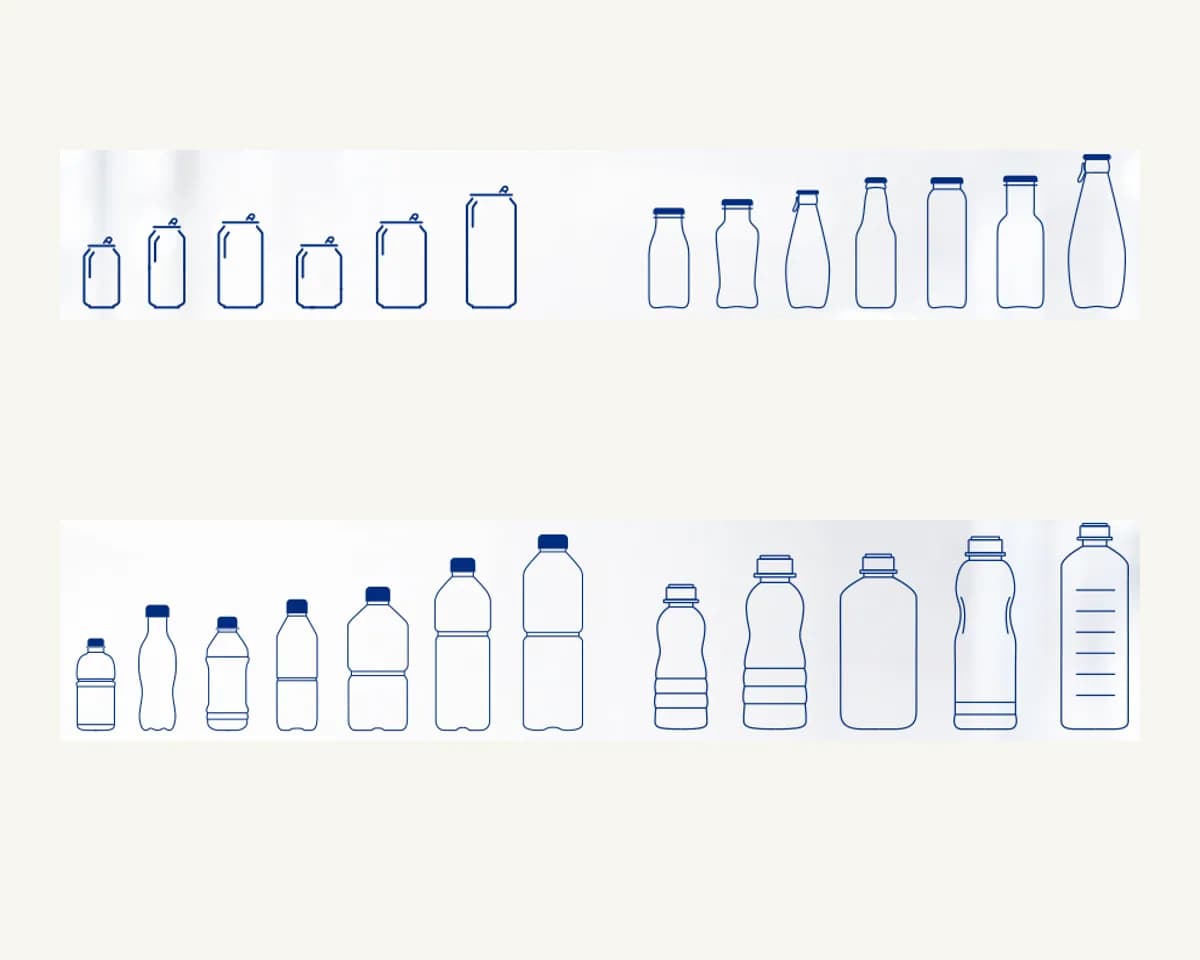
THREE DISTINCT REVIEWS
A visual approval is one part of the review.
Identify who reviews each area and what their decision covers. Keep unresolved questions visible.
Brand & design
Composition, hierarchy, logo use and flavour differentiation.
Product & market information
Product identity, formula-specific facts and destination-market requirements.
Pack & production layout
Container, closure, printable area and the correct layout for each configuration.
CHECK 01
Confirm the product before finalizing the label
The approved beverage name, formulation and pack volume should be clear before artwork is released. A design developed around an earlier formula may carry information that no longer fits the selected product.
Check that the product reference and artwork version refer to the same beverage and configuration.
Match the beverage, formulation reference, variant and nominal volume.
CHECK 02
Confirm the physical packaging specification
Review the actual container, closure, printable area or label specification. A reference photograph is useful for direction, but it does not replace the relevant production layout.
Where several sizes are planned, each configuration needs to be checked. Do not assume artwork can simply be stretched to fit a different bottle or can.
Confirm the container, closure and applicable print or label layout for each size.
CHECK 03
Separate design approval from information approval
A design team can review composition, hierarchy, logo use and flavor differentiation. Product and compliance reviewers need to assess the information relevant to the actual formula and market.
Identify who approves product naming, ingredient information, allergens, nutritional values, claims and other required pack details. The applicable checklist should come from the responsible team for the destination market.
Identify the reviewer and scope for visual design, product facts and market requirements.
CHECK 04
Check range consistency without copying unverified facts
A range can share a visual system while different products require different information. Do not duplicate a claim, ingredient statement or shelf-life instruction across variants unless each one supports it.
Review the links between flavor names, product images, reference codes and packaging configurations so that the correct artwork is assigned to the correct item.
Check each variant against its own product reference and supported information.
CHECK 05
Record the final approved version
Use a clear filename, version reference and approval record. Identify which file is approved for production and which earlier versions must no longer be used.
A later change to the formula, label information or package may require renewed review. A previous visual approval should not be reused without checking what changed.
Record the exact filename, version, decision and reviewer. Flag superseded files.
CHECK 06
Include secondary packaging in the handover
Confirm the agreed case configuration and any required handling or identification information. The primary pack and outer case should refer to the same product and order arrangement.
Match the primary pack, outer case, identification and agreed order configuration.
KEEP THE FILE AND DECISION CONNECTED
One exact version.
A clearly recorded review.
Identify the file
Use an exact filename and version reference, rather than an ambiguous “latest” file.
Record the decision
Name the reviewer, date, scope and any open items. An incomplete review is not a sign-off.
Review later changes
Changes to formula, label information or packaging may require renewed review.
A PRACTICAL HANDOVER
Keep the review record together.
Use these seven items when circulating an artwork version. Ticks are a reading aid only: they are not saved, sent or treated as approval.
Download the TXT record templateRecord what needs changing and who reviews next. Do not treat an attractive mockup or a completed checklist as production approval.
BRING THE RIGHT VERSION
Connect the artwork
with the product and pack.
Tell us the beverage, intended container, destination market and artwork status. Discuss file requirements and adaptation scope with the packaging team.