7 Ways to Choose the Right Beverage Product for Your Brand
Learn how to choose the right beverage product for your brand by evaluating target customers, market demand, product categories, pricing, packaging, and production.
By Team Nam Viet Group
12 min read
Quick answer
Choosing the right beverage product for your brand starts with understanding your target customers, market demand, and business goals. A product may have an attractive flavor or innovative concept, but that does not guarantee commercial success. You also need to consider its price, packaging, distribution channels, and production requirements. Whether you are an importer, distributor, retailer, or new brand owner,
Choosing the right beverage product for your brand starts with understanding your target customers, market demand, and business goals. A product may have an attractive flavor or innovative concept, but that does not guarantee commercial success. You also need to consider its price, packaging, distribution channels, and production requirements. Whether you are an importer, distributor, retailer, or new brand owner, selecting the right beverage category requires careful research and planning. This guide explains seven practical ways to evaluate beverage product ideas and identify products that fit your target market and long-term brand strategy.
1. Understand Your Target Customers and Market
Before choosing a beverage product for your brand, identify who will buy it and what they expect from it. Your target customers should influence the product category, flavor, ingredients, packaging, and price positioning.
A clear understanding of your audience helps you avoid developing products based only on personal preferences or popular trends.
1.1. Identify Your Target Customer
Start by defining the people or businesses you want to reach. Consider their purchasing habits, lifestyle, preferences, and spending capacity.
For example, different customer groups may have different beverage expectations:
Target customer
Potential beverage preferences
Young consumers
Fruit drinks, sparkling beverages, flavored drinks
Fruit juice drinks, milk-based beverages, convenient multipacks
Retail distributors
Products with competitive pricing and broad market appeal
These are starting points for research, not fixed consumer preferences. Actual demand should be validated in your intended market.
1.1.1. Consider Consumption Occasions
Understanding when and where people consume beverages can help you select a more relevant product.
Think about common occasions:
At home: Fruit juice, milk drinks, tea, and coffee.
At work or school: Ready-to-drink coffee, juice, and convenient bottled beverages.
During travel: Portable drinks in cans or bottles.
During meals: Fruit drinks, sparkling beverages, and flavored drinks.
During leisure activities: Coconut water, refreshing fruit drinks, and sparkling beverages.
A product designed around a specific consumption occasion can have a clearer positioning and marketing message.
1.2. Research Your Target Market
Consumer preferences can vary between countries and regions. A beverage that performs well in one market may not attract the same level of interest elsewhere.
Research the following factors before selecting a product:
Popular beverage categories in your target country.
Preferred flavors and sweetness levels.
Local purchasing power and acceptable price ranges.
Consumer expectations for ingredients and nutritional information.
Seasonal consumption patterns.
Local food regulations and import requirements.
For example, a distributor entering a market with strong demand for convenient drinks may investigate canned juice, bottled tea, or ready-to-drink coffee. However, the final decision should depend on local market research rather than assumptions.
Practical tip: Use customer interviews, retailer feedback, distributor insights, online reviews, and competitor research to understand what buyers actually want.
2. Research Beverage Market Trends and Competitors
Market trends can help you discover new beverage product ideas. However, following a trend without understanding your customers can create unnecessary business risks.
The goal is not to copy popular products. It is to identify opportunities that match your brand and target market.
2.1. Explore Relevant Beverage Categories
Start by reviewing beverage categories that may fit your business objectives.
Fruit Juice and Fruit Drinks
Suitable for brands exploring fruit-based beverages with different flavors, juice contents, and packaging formats. Examples include mango, orange, guava, pineapple, and soursop drinks.
Coconut Water and Coconut Drinks
A category to consider for brands interested in tropical ingredients, convenient hydration occasions, and different product variations.
Ready-to-Drink Coffee
Includes canned coffee, milk coffee, black coffee, and other convenient coffee formats for consumers who want ready-to-drink options.
Sparkling Beverages
Offers opportunities to develop fruit-flavored carbonated drinks with different flavor combinations and packaging styles.
Aloe Vera and Pulp-Based Drinks
Can provide product differentiation through texture, visible ingredients, and flavor combinations, depending on formulation and target market.
Plant-Based and Milk Drinks
Includes soy milk, coconut milk drinks, and other plant-based beverage concepts for different consumer preferences.
These categories provide a starting point for product research. Their suitability depends on local demand, competition, pricing, and your ability to distribute them.
2.2. Analyze Your Competitors
Competitor research helps you understand how existing beverage brands attract customers and position their products.
Review at least several brands operating in your intended category and compare:
Factor
What to investigate
Product range
Flavors, ingredients, and beverage types
Pricing
Retail price and market positioning
Packaging
Bottle, can, carton, and package size
Branding
Product identity and communication style
Distribution
Supermarkets, convenience stores, online and food service
Customer feedback
Positive reviews and common complaints
Pay special attention to customer reviews. They can reveal opportunities such as limited flavor choices, inconvenient packaging, unclear product information, or products that do not meet customer expectations.
2.3. Identify a Market Gap
After researching competitors, look for opportunities that are not fully addressed.
For example:
A popular beverage category with limited flavor choices.
A market where convenient packaging is not widely available.
A product category with few options in your intended price segment.
An opportunity to introduce tropical fruit flavors to a new market.
Your beverage does not need to be completely new. It needs a clear reason for customers and business buyers to choose it over existing alternatives.
3. Choose a Beverage Category That Fits Your Brand Positioning
Your beverage product should support the identity you want to build. A product that does not match your brand positioning can make it difficult to communicate a consistent message to customers.
3.1. Define Your Brand Positioning
Before selecting a product, decide how you want your brand to compete.
Consider these common positioning approaches:
Brand positioning
Product direction
Key consideration
Affordable and accessible
Fruit drinks, flavored drinks
Competitive pricing
Premium
Specialty coffee, selected fruit beverages
Ingredients, design, and product experience
Natural-inspired
Coconut water, fruit-based drinks
Accurate ingredient communication
Convenience-focused
Canned juice, RTD coffee
Portability and ease of use
Innovative
Sparkling fruit drinks, new flavor combinations
Product differentiation
These are examples rather than strict category rules. A beverage can fit several positioning approaches depending on its formulation, branding, and price.
3.2. Match Product Features With Brand Values
Your product's characteristics should support the promises your brand makes.
For example:
If your brand focuses on convenience, consider portable packaging and ready-to-drink formats.
If your brand focuses on tropical ingredients, explore coconut, mango, guava, or pineapple-based beverages.
If your brand targets premium customers, pay attention to product quality, formulation, packaging, and presentation.
If your brand focuses on affordability, evaluate ingredient costs, packaging efficiency, and distribution expenses.
Avoid making claims such as organic, sugar-free, natural, or high in vitamins unless the formulation, documentation, and applicable market regulations support them.
4. Evaluate Product Pricing and Commercial Potential
A beverage product should not only appeal to customers but also make business sense.
For importers, distributors, and retailers, commercial potential depends on whether the product can compete at the expected selling price while supporting the costs and margins of the distribution chain.
4.1. Understand the Main Cost Factors
Before choosing a beverage, review the factors that can influence its commercial pricing.
Cost factor
What to consider
Ingredients
Type, quality, and sourcing availability
Formulation
Product complexity and ingredient requirements
Packaging
Material, size, printing, and design
Production
Manufacturing requirements and production volume
Quality control
Testing and applicable compliance requirements
Logistics
Shipping, storage, and distribution expenses
Import costs
Duties, taxes, and market-specific charges
A product with an attractive retail price may still be difficult to distribute if its packaging, logistics, or import costs are too high.
4.2. Check Whether the Product Fits Your Price Segment
Define the intended market price before finalizing the product concept.
For example, a premium beverage may allow more room for distinctive packaging or specialized ingredients. A mass-market beverage may require a stronger focus on cost control and competitive pricing.
Work backward from the expected selling price to evaluate whether the product is commercially feasible.
4.3. Consider Long-Term Product Potential
Do not evaluate a beverage only by its initial launch opportunity.
Ask yourself:
Can this product support additional flavors?
Can it be offered in different package sizes?
Is there potential to expand into related beverage categories?
Can the product serve multiple distribution channels?
Can the supply chain support future demand?
A product with room for portfolio expansion may offer more opportunities for long-term brand development.
5. Select the Right Packaging and Distribution Format
Packaging is more than a visual branding element. It affects product protection, storage, transportation, shelf presentation, and customer convenience.
The Ontario government's Guide to Food and Beverage Manufacturing highlights the importance of packaging in product protection, handling, shipping, retail display, and overall cost considerations.
Ontario
5.1. Compare Common Beverage Packaging Options
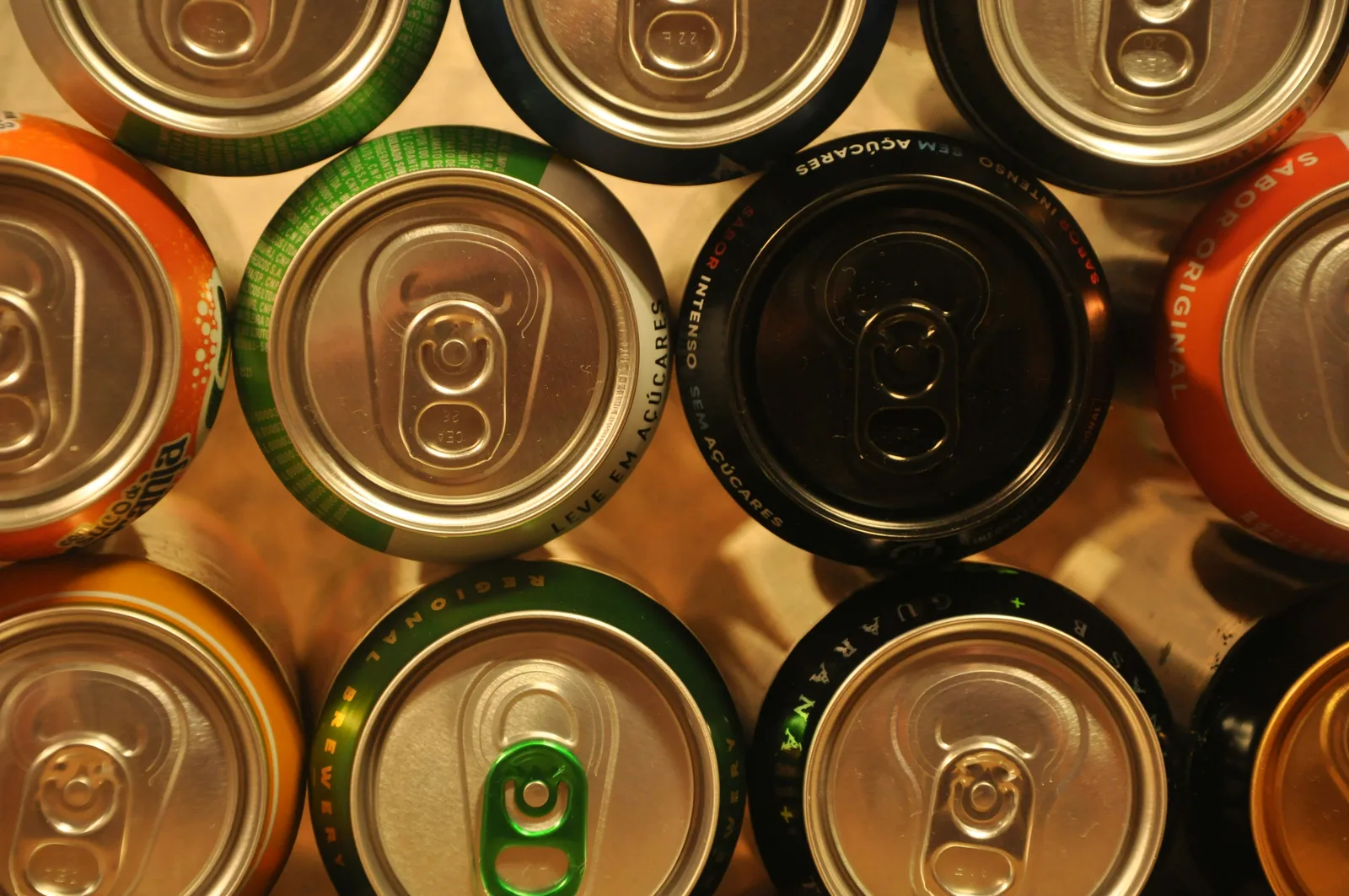
Aluminum Cans
Often considered for sparkling beverages, juice drinks, and ready-to-drink coffee. Evaluate can sizes, filling compatibility, transportation, and packaging specifications.
PET Bottles
Commonly used for juice drinks, flavored beverages, and other ready-to-drink products. Consider bottle shape, weight, closure, and storage requirements.
Glass Bottles
Can support premium product presentation. However, weight, breakage risk, and transportation costs should be evaluated.
Carton Packaging
Used for selected juice, milk, and plant-based drinks. Check the required filling technology, storage conditions, and packaging specifications.
No packaging format is suitable for every beverage. The final choice should be compatible with the product formulation, processing method, shelf-life requirements, and distribution conditions.
5.2. Match Packaging With Your Distribution Channels
Different sales channels can create different packaging requirements.
Distribution channel
Packaging considerations
Supermarkets
Shelf visibility, product information, and carton configuration
Convenience stores
Portability, easy handling, and suitable serving sizes
Online retail
Protective shipping and packaging durability
Hotels and restaurants
Food-service requirements and storage
Wholesale distribution
Carton quantity, palletization, and shipping efficiency
For export businesses, also consider container loading, warehouse conditions, transportation distance, and the destination market's packaging requirements.
5.3. Review Labeling and Regulatory Requirements
Product labels must comply with the regulations of the market where the beverage will be sold.
Depending on the destination, requirements may cover:
Product name and description.
Ingredient list.
Allergen declarations.
Net quantity.
Nutrition information.
Manufacturer or responsible business details.
Country of origin, where required.
Storage instructions and date marking, where applicable.
For example, the U.S. Food and Drug Administration provides guidance on food labeling requirements for products sold in the United States. Other markets may have different requirements.
Before approving packaging artwork, review the applicable regulations and confirm the product information with qualified regulatory personnel.
6. Evaluate Manufacturing Feasibility Before Making Your Final Choice
A beverage idea may look attractive from a marketing perspective but still be difficult to produce at the required quality, cost, or volume.
That is why manufacturing feasibility should be considered before committing to a product.
6.1. Check Ingredient and Production Compatibility
Discuss the following points with potential manufacturing partners:
Availability of the required ingredients.
Feasibility of the desired flavor profile.
Compatibility with the production line.
Suitable processing and filling methods.
Product stability and shelf-life requirements.
Packaging availability.
Quality-control and testing requirements.
For example, a beverage containing fruit pulp may require different processing and filling considerations from a clear fruit drink. Similarly, carbonated beverages require production capabilities suitable for carbonated products.
The FAO's HACCP guidance explains that a product description should consider composition, processing, packaging, shelf life, storage, and intended use. These details are important when assessing product safety and production requirements.
6.2. Work With a Suitable Beverage Manufacturer
The right manufacturing partner can help you assess whether your product concept can be developed into a consistent commercial product.
When evaluating potential suppliers, consider:
Experience with your chosen beverage category.
OEM, ODM, or private label capabilities.
Available packaging formats.
Quality management systems and relevant certifications.
Product development and sampling support.
Export experience and documentation.
MOQ and production capacity.
Communication and technical support.
For businesses that need more guidance, working with an experienced beverage manufacturing partner can help clarify product specifications and identify potential production challenges early.
6.3. Test Your Product Concept Before Launch
Before making a large commercial commitment, validate your product with potential buyers or consumers.
Depending on your business model, testing may include:
Presenting the concept to distributors or retail buyers.
Collecting feedback on flavor and packaging.
Reviewing the proposed selling price.
Comparing the product with competing brands.
Evaluating samples when available.
Reviewing the results before confirming commercial production.
The International Food Information Council's2025 Food & Health Survey provides an example of how consumer research can help businesses understand food and beverage purchasing behavior. Its findings should be interpreted within its U.S. consumer research scope, rather than treated as a global market forecast.
7. Build a Practical Product Selection Checklist
After evaluating your target customers, market opportunities, brand positioning, pricing, packaging, and manufacturing feasibility, bring all the findings together.
Use the following checklist to compare your potential beverage products.
7.1. Seven Questions to Ask Before Choosing a Beverage
Evaluation criteria
Key question
Target customers
Do we understand who will buy this product?
Market demand
Is there evidence of demand in our target market?
Competition
Does the product offer a clear reason to compete?
Brand positioning
Does it fit our brand identity?
Pricing
Can it meet the target selling price and commercial requirements?
Packaging
Is the format suitable for the product and distribution channels?
Manufacturing
Can a suitable manufacturer produce it consistently?
A product that meets most of these criteria may deserve further evaluation. However, no checklist can replace market validation, regulatory review, and commercial assessment.
7.2. Prioritize Your Product Ideas
If you have several beverage concepts, compare them using a simple scoring system.
For example, rate each criterion from 1 to 5, where:
1 = Very weak.
2 = Weak.
3 = Acceptable.
4 = Strong.
5 = Very strong.
You can use the following template:
Criteria
Product A
Product B
Product C
Target market fit
/5
/5
/5
Market demand
/5
/5
/5
Competitive advantage
/5
/5
/5
Brand fit
/5
/5
/5
Commercial potential
/5
/5
/5
Packaging suitability
/5
/5
/5
Manufacturing feasibility
/5
/5
/5
Total
/35
/35
/35
This scoring method is a practical internal decision tool, not a market research result. You should define the evidence required for each score before comparing products.
The highest-scoring product can be shortlisted for further research, sampling, and commercial evaluation.
Choosing the right beverage product for your brand requires more than finding a popular flavor or following the latest market trend. It involves understanding your customers, identifying market opportunities, defining brand positioning, evaluating commercial potential, and confirming manufacturing feasibility.
For importers, distributors, retailers, and new beverage brand owners, a well-researched product concept provides a stronger foundation for entering the market and building a sustainable beverage portfolio.
Take time to validate your ideas, compare potential products, and work with a manufacturing partner that understands your business requirements. The right product is not simply the one that looks attractive on the shelf. It is the one that meets customer expectations while supporting your brand's long-term business goals.
Ready to develop your next beverage product? Discuss your product idea with our team to explore suitable beverage categories, customization options, and manufacturing solutions for your target market.
Frequently asked questions
1. How do I choose the right beverage product for my brand?
Start by identifying your target customers, researching local beverage demand, and evaluating competitors. Then compare product categories based on brand positioning, pricing, packaging, distribution, and manufacturing feasibility.
2. What are the best beverage product ideas for a new brand?
Potential ideas include fruit juice drinks, coconut water, sparkling beverages, ready-to-drink coffee, aloe vera drinks, and plant-based beverages. The best option depends on your target market, customer preferences, and business capabilities.
3. What factors should I consider when developing a new beverage product?
Consider target customers, flavor, ingredients, product positioning, packaging, pricing, regulatory requirements, shelf life, and manufacturing capabilities. These factors should be evaluated together before finalizing the product concept.
4. How can I identify beverage market opportunities?
Research competitor products, customer reviews, distributor feedback, retail assortments, and consumer purchasing behavior. Look for unmet needs or opportunities involving flavors, packaging, price segments, or distribution channels.