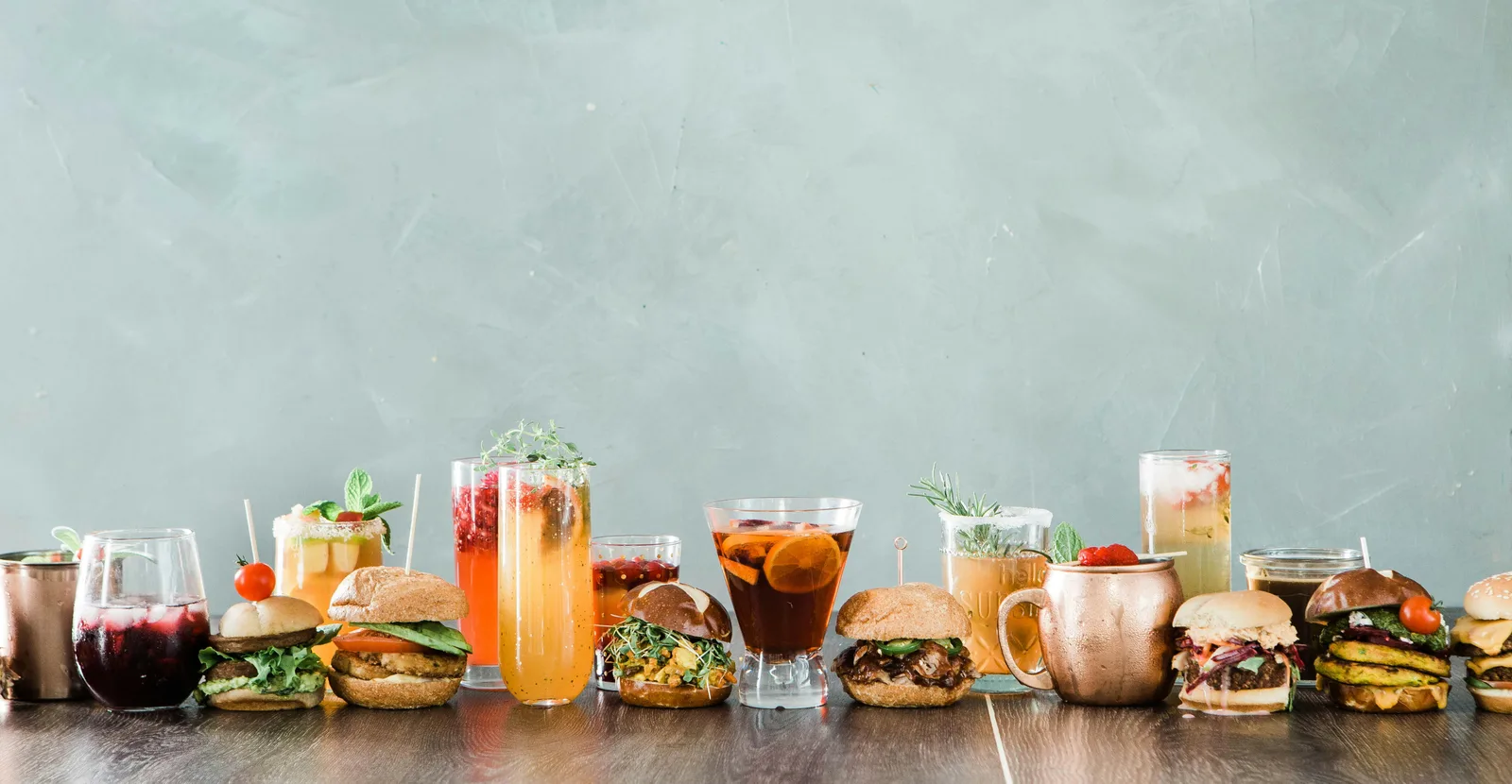
Explore 8 beverage categories shaping the FMCG market, from coconut water and functional drinks to RTD coffee, plant-based and milk-based beverages.
By Team Nam Viet Group
13 min read
Quick answer
The global FMCG beverage market continues to evolve as consumers look for more variety, convenience, and products that match their lifestyles. For manufacturers, importers, and distributors, several beverage categories offer interesting opportunities for product development and market expansion. These include fruit juice, coconut water, plant-based drinks, functional beverages, ready-to-drink coffee, sparkling drinks, milk-based beverages, and tea-based drinks. However, not every
The global FMCG beverage market continues to evolve as consumers look for more variety, convenience, and products that match their lifestyles. For manufacturers, importers, and distributors, several categories offer interesting opportunities for product development and market expansion. These include fruit juice, coconut water, plant-based drinks, functional s, ready-to-drink coffee, sparkling drinks, milk-based beverages, and tea-based drinks. However, not every category grows at the same speed in every country. Understanding consumer demand, product positioning, competition, and distribution requirements can help businesses identify the right opportunities for their target markets.
1. 8 Beverage Categories to Watch in the Global FMCG Market
The following eight categories are worth monitoring because they offer different product opportunities, consumer occasions, and business models. Their commercial potential depends on the target market, product quality, pricing, and distribution strategy.
1.1. Fruit Juice and Fruit-Based Beverages
Fruit juice and fruit-based beverages remain important categories in the global beverage market. They include 100% fruit juice, juice drinks, fruit nectars, fruit-flavored drinks, and beverages containing fruit pieces or pulp.However, businesses should not assume that all fruit-based products are experiencing strong growth. Euromonitor's 2026 analysis of the global juice category highlights challenges such as rising prices, supply constraints, and weaker demand in some established markets. At the same time, emerging markets and selected product segments offer opportunities for further development.
For manufacturers and distributors, product differentiation is important. Consumers can choose from many fruit-based beverages, so brands need to offer clear reasons for customers to select their products.
Potential product opportunities include:
Tropical fruit juice drinks.
Mixed fruit beverages.
Fruit drinks with nata de coco or jelly.
Juice drinks with different fruit content levels.
Convenient single-serve fruit beverages.
What importers should consider:
Product classification is important when sourcing fruit-based beverages. A 100% juice product is different from a juice drink or fruit-flavored beverage. Buyers should check the ingredient list, fruit content, nutritional information, and local labeling requirements before importing.
Packaging, shelf life, storage conditions, and retail price positioning should also be reviewed.
1.2. Coconut Water and Coconut-Based Beverages
Coconut water is an important category to watch, particularly in markets where consumers are interested in plant-based and fruit-based refreshment options.
Unlike the wider fruit juice category, coconut water has shown strong performance in some recent retail markets. For example, Circana data reported by Beverage Industry showed that the US shelf-stable bottled coconut and other fruit juice segment increased by 27.7% in sales for the 52 weeks ending April 19, 2026. This figure refers to a specific US retail segment, not the entire global coconut water market.
Coconut water can be sold as a standalone beverage or used as a base for other product concepts.
Potential product opportunities include:
Pure coconut water.
Coconut water with pulp.
Coconut water with fruit flavors.
Coconut-based fruit drinks.
Coconut beverages in cans, bottles, or cartons.
For distributors, packaging and product positioning can create different opportunities across retail channels. Single-serve packaging may suit convenience stores, while larger formats may be more suitable for household consumption.
What importers should consider:
Coconut water sourcing requires attention to raw material availability, product consistency, processing methods, and shelf-life requirements. Buyers should also compare products based on their actual composition rather than treating all coconut beverages as the same category.
1.3. Plant-Based Beverages
Plant-based beverages are products made from plant ingredients such as soy, oats, almonds, coconut, rice, and other plant sources.
The category offers opportunities for businesses looking to expand beyond traditional dairy-based products. Plant-based drinks can be positioned for different consumption occasions, including breakfast, coffee preparation, and everyday refreshment.
According to the Good Food Institute's 2026 State of the Industry report, global retail sales of plant-based dairy products reached an estimated USD 22.7 billion in 2025. The category recorded approximately 2% growth in retail sales, while sales volume remained flat. Plant-based milk accounted for most of the category's sales.
This shows that the category has an established market presence, but growth is not equally strong across all regions or product types.
Potential product opportunities include:
Soy milk beverages.
Coconut milk drinks.
Oat-based beverages.
Almond-based drinks.
Plant-based coffee beverages.
Flavored plant-based drinks.
What importers should consider:
Taste, texture, ingredient composition, and price are important factors in this category. Some products may also require specific storage conditions or additional production controls.
Importers should review allergen information, ingredient declarations, nutritional details, and local regulations. They should also avoid assuming that all plant-based products are automatically suitable for every consumer or dietary requirement.
1.4. Functional Beverages
Functional beverages are drinks developed with specific ingredients or product features beyond basic refreshment.
Examples include beverages containing added vitamins, minerals, electrolytes, protein, fiber, or other functional ingredients. The category also includes some energy drinks and products positioned around particular consumption needs.
Functional beverages are attracting attention because consumers are increasingly interested in products that fit their daily routines and personal preferences.
SIAL Paris's 2026 beverage trend analysis identifies functionality as an important direction for beverage innovation. It highlights products that combine refreshment, flavor, and functional ingredients.
Potential product opportunities include:
Vitamin-enriched beverages.
Electrolyte drinks.
Protein-based beverages.
Fiber-enriched drinks.
Energy beverages.
Functional fruit-based drinks.
For manufacturers, this category offers opportunities to explore different formulas and ingredient combinations. However, functional product development requires careful technical and regulatory review.
What importers should consider:
Buyers should check ingredient specifications, permitted usage levels, product classification, and labeling rules in the destination market.
Any nutritional or health-related statement must be supported by appropriate evidence and comply with local regulations. A product should not be marketed with claims that have not been properly verified.
1.5. Ready-to-Drink (RTD) Coffee
Ready-to-drink coffee is a convenient beverage category designed for consumers who want coffee without preparing it themselves.
Products are commonly available in cans, bottles, and cartons. They may include black coffee, milk coffee, latte-style beverages, cold brew, and flavored coffee drinks.
The category benefits from the combination of coffee consumption and convenient packaging. It also provides opportunities for brands to introduce different flavors, sweetness levels, and serving sizes.
Market research from Grand View Research identifies continued expansion in the global RTD coffee market, with Asia-Pacific representing a major regional market in its 2025 estimates.
Potential product opportunities include:
Black coffee.
Milk coffee.
Coconut milk coffee.
Cold brew coffee.
Latte-style beverages.
Flavored coffee drinks.
For distributors, RTD coffee can be considered for supermarkets, convenience stores, vending channels, and foodservice businesses.
1.6. Sparkling Drinks and Carbonated Beverages
Sparkling drinks are beverages that contain carbon dioxide, creating bubbles and a distinctive drinking experience.
The category includes traditional carbonated soft drinks, sparkling water, flavored sparkling beverages, and fruit-based sparkling drinks.
Although traditional carbonated soft drinks face competition from other beverage categories, sparkling beverages continue to offer opportunities through flavor innovation and different product positioning.
Euromonitor's 2026 soft drinks outlook identifies carbonated beverages as a category with stronger value performance in some markets, while also highlighting the growing importance of functionality and low-sugar products.
Potential product opportunities include:
Sparkling fruit drinks.
Sparkling water.
Flavored carbonated water.
Low-sugar sparkling beverages.
Citrus-based sparkling drinks.
Tropical fruit sparkling drinks.
What importers should consider:
Carbonated beverages require suitable packaging and production processes to maintain product quality and carbonation.
Importers should review carbonation levels, packaging specifications, storage requirements, and transportation conditions. They should also evaluate local demand for different sweetness levels and flavor profiles.
1.7. Milk-Based Beverages
Milk-based beverages remain an established category in the global FMCG market. They include flavored milk, milk coffee, dairy drinks, and other ready-to-drink milk-based products.
The OECD–FAO Agricultural Outlook 2026–2035 identifies continued growth in global dairy consumption, with different consumption patterns across regions. Its projections provide useful background for businesses evaluating dairy-related opportunities, although they do not represent a direct forecast for every packaged milk beverage category.
Potential product opportunities include:
Flavored milk drinks.
Chocolate milk.
Coffee milk beverages.
Ready-to-drink milk-based drinks.
Dairy beverages with fruit flavors.
For manufacturers, this category offers opportunities to develop products for breakfast, snacks, and convenient daily consumption.
1.8. Tea-Based and Ready-to-Drink Tea Beverages
Tea-based beverages offer opportunities for businesses interested in familiar ingredients and different flavor combinations.
Tea can be developed in different formats and positioned for various consumption occasions. Some products focus on traditional tea flavors, while others combine tea with fruit, milk, or botanical ingredients.
Potential product opportunities include:
Green tea beverages.
Black tea drinks.
Lemon tea.
Peach tea.
Milk tea.
Fruit-infused tea drinks.
For distributors, ready-to-drink tea can provide additional variety within an existing beverage portfolio.
What importers should consider:
Buyers should evaluate tea type, flavor strength, sweetness, ingredient composition, and packaging. They should also compare products with local competitors and consider whether consumers prefer traditional tea flavors or more modern combinations.
2. Key Factors Driving Beverage Category Development
Understanding product categories is only the first step. Importers and manufacturers also need to understand the factors influencing consumer demand and product development.
2.1. Changing Consumer Preferences
Consumers are exploring more beverage options as their lifestyles, purchasing habits, and product expectations change.
Some consumers prioritize convenience, while others pay more attention to ingredients, sweetness levels, or product variety.
These differences create opportunities for manufacturers to develop products for specific consumer groups and consumption occasions.
However, businesses should avoid assuming that one consumer trend applies to every market. Local research is necessary to understand actual demand.
2.2. Convenience and Ready-to-Drink Formats
Convenience is an important factor in beverage selection. Ready-to-drink formats allow consumers to purchase products that require little or no preparation.
Canned coffee, bottled tea, fruit drinks, and milk-based beverages are examples of products that can serve convenient consumption occasions.
For manufacturers, packaging size and format should match the intended use. For importers, product portability, shelf life, storage, and transportation costs should be considered together.
2.3. Flavor Innovation and Product Differentiation
Flavor innovation allows brands to refresh their product portfolios and explore new customer groups. Tropical fruits, citrus combinations, coffee flavors, and tea-based blends can offer different product development directions.
However, a new flavor does not automatically create market demand. Businesses should evaluate local preferences, competitor products, ingredient availability, and product pricing before launching a new SKU.
2.4. Price and Product Value
Price remains an important factor in beverage purchasing decisions. Consumers compare products based on price, quality, packaging, taste, and brand positioning.
3. Business Opportunities for Beverage Manufacturers and Distributors
The eight beverage categories offer different opportunities depending on the business model, target market, and available resources.
3.1. Expanding Product Portfolios
Distributors can use category research to identify gaps in their existing product portfolios.
For example, a distributor focusing mainly on fruit juice may consider adding coconut water, RTD coffee, or sparkling fruit drinks to reach different consumption occasions.
However, portfolio expansion should be based on actual customer demand. Adding too many products without a clear sales strategy can increase inventory and operational costs.
3.2. Developing OEM and Private Label Products
OEM and private label manufacturing can help businesses develop beverage products under their own brand names.
Importers may explore different categories, flavors, package sizes, and product specifications based on their target market.
Before starting a project, buyers should discuss:
Product category and formulation.
Ingredient specifications.
Packaging material and size.
Label design and market requirements
Not every product concept is suitable for every production line. Technical evaluation is necessary before confirming a final product specification.
3.3. Targeting Different Distribution Channels
Each beverage category may suit different distribution channels.
Beverage category
Potential distribution channels
Fruit juice and fruit drinks
Supermarkets, convenience stores,
wholesalers
Coconut water
Plant-based beverages
Supermarkets, specialty retailers, foodservice
Functional beverages
Convenience stores, supermarkets, online retail
RTD coffee
Convenience stores, supermarkets, vending
Sparkling drinks
Supermarkets, convenience stores, wholesalers
Milk-based beverages
Supermarkets, convenience stores, foodservice
RTD tea
Supermarkets, convenience stores, wholesalers
These are possible channel matches, not guaranteed sales outcomes. Actual distribution opportunities depend on local retail structures, product positioning, and buyer requirements.
4. How to Select the Right Beverage Categories for Your Market
Importers should not select products based only on global trends. A category with strong performance in one country may have limited demand in another.
A structured selection process can help businesses reduce market-entry risks.
4.1. Research Local Consumer Demand
Start by understanding what consumers in the target market currently purchase.
Review supermarket shelves, convenience stores, online marketplaces, competitor products, and local retail prices.
Where possible, collect feedback from retailers, wholesalers, and potential customers.
Useful questions include:
Which beverage categories are popular?
What package sizes do consumers prefer?
Which flavors are common in the market?
4.2. Analyze Competitors and Product Positioning
Competitor research helps businesses understand how products are positioned in the market.
Compare product ingredients, packaging, price, brand identity, and distribution channels.
For example, if a market already has many low-priced fruit drinks, a new imported product may need a different positioning strategy. It could focus on a specific flavor, packaging format, or product specification, provided that the difference offers real value to customers.
4.3. Evaluate Import Regulations and Product Requirements
Every destination market has its own food and beverage regulations.
Importers should check ingredient restrictions, food safety requirements, labeling rules, allergen declarations, product registration, and packaging requirements before placing an order.
For example, the European Union has specific requirements for food information and labeling under Regulation (EU) No 1169/2011. In the United States, imported food products must comply with applicable FDA requirements.
Regulatory checks should take place before finalizing product formulas and packaging designs.
4.4. Calculate Total Import and Distribution Costs
A product's commercial potential depends on more than its purchase price.
Importers should calculate the expected landed cost, including:
Product cost.
Packaging and labeling costs.
Freight and insurance.
Import duties and taxes.
Customs clearance.
Warehousing.
Local transportation.
Distributor and retailer margins.
This calculation helps businesses determine whether the product can compete at the expected retail price.
4.5. Evaluate the Manufacturing Partner
A suitable manufacturing partner should be able to provide clear information about product specifications, production requirements, quality systems, and export documentation.
Before confirming a supplier, importers should request:
Product specifications and ingredient details.
Available packaging options.
Relevant quality certificates.
Shelf-life information.
Storage instructions.
Minimum order quantity.
Production lead time.
Sample availability.
Export experience and documentation.
For OEM and private label projects, buyers should also confirm whether the manufacturer can support the required formulation and packaging customization.
5. Challenges to Consider When Entering the Beverage Market
Although the beverage industry offers many product opportunities, businesses should consider several challenges before investing in a new category.
5.1. Strong Competition
Many beverage categories already have established international and local brands.
New products need a clear market position, suitable pricing, and a reliable distribution strategy.
Importers should avoid selecting products only because they are popular in another country. A product must also fit local consumer preferences and purchasing power.
5.2. Raw Material and Production Costs
Ingredient prices, packaging materials, and transportation costs can affect the final product price.
Fruit-based beverages may be exposed to changes in agricultural supply, while coffee products can be affected by changes in coffee bean prices.
Manufacturers and distributors should consider cost changes when planning long-term sourcing and sales strategies.
5.3. Product Shelf Life and Storage
Different beverage categories have different shelf-life and storage requirements.
For example, some milk-based products require refrigeration, while other packaged beverages may be suitable for ambient storage.
Importers should confirm the manufacturer's specifications and ensure that transportation and warehouse conditions are suitable for the selected product.
5.4. Regulatory and Labeling Requirements
Product regulations can affect which ingredients, claims, and packaging formats are allowed in a destination market.
Importers should work with relevant regulatory experts or local authorities to confirm product requirements before shipping.
Incorrect labels or incomplete documents may lead to customs delays, product changes, or other commercial risks.
Finding the Right Opportunities in the FMCG Beverage Market
The global FMCG beverage market offers a wide range of product opportunities, from fruit juice and coconut water to functional beverages, RTD coffee, sparkling drinks, plant-based products, milk-based beverages, and ready-to-drink tea.
Each category serves different consumer needs and distribution channels. However, a popular category does not guarantee success in every country. Businesses need to understand local demand, product positioning, pricing, regulations, and supply chain requirements before making investment decisions.
For manufacturers, these categories provide directions for product development and portfolio expansion. For importers and distributors, they offer starting points for researching new products and building stronger product ranges.
Choosing the right category is only the beginning. Reliable product specifications, suitable packaging, consistent quality, and a capable manufacturing partner are also important for long-term business development.
Explore Our Beverage Categories with Nam Viet Group.
Nam Viet Group supports beverage businesses exploring product sourcing, manufacturing, and OEM/ODM opportunities across selected beverage categories.
Discover our Manufacturing Capabilities or Contact Our Team to discuss your beverage product requirements.
Frequently asked questions
1. What are the main beverage categories in the FMCG market?
Major beverage categories include fruit juice, coconut water, plant-based drinks, functional beverages, RTD coffee, sparkling drinks, milk-based beverages, and tea-based drinks.
2. Which beverage categories are worth watching for future growth?
Functional beverages, coconut water, RTD coffee, and selected plant-based drinks are categories worth monitoring. However, growth varies by country, product type, and distribution channel.
3. Are fruit juice products still a good business opportunity?
Fruit-based beverages remain relevant, but the category faces challenges in some markets. Importers should compare different product types, fruit content, pricing, and local demand before selecting products.
4. What should importers consider when choosing a beverage category?
Importers should evaluate consumer demand, competitors, retail prices, product specifications, import regulations, shelf life, logistics costs, and supplier capabilities.