Beverage Manufacturing MOQ: 7 Factors That Affect Your Order Size
Understand beverage manufacturing MOQ, what affects minimum order quantities, and how to plan your production volume when working with a beverage manufacturer.
By Team Nam Viet Group
13 min read
Quick answer
Beverage manufacturing MOQ is one of the first things buyers should understand before working with a beverage manufacturer. MOQ, or Minimum Order Quantity, refers to the smallest quantity a manufacturer is willing to produce or accept in one order. However, there is no single MOQ that applies to every beverage product or factory. The required quantity depends on several factors,
Frequently asked questions
1. What is the typical MOQ for beverage manufacturing?
There is no universal MOQ for beverage manufacturing. It varies depending on the beverage category, formula, production line, packaging materials, number of SKUs and manufacturer requirements. Buyers should request a project-specific quotation.
2. Why does MOQ vary between beverage manufacturers?
Different manufacturers have different equipment, production capacities, ingredient sourcing arrangements and packaging suppliers. Their production costs and operating conditions also vary, resulting in different MOQ policies.
3. Is MOQ calculated per flavor or per order?
It depends on the manufacturer's production arrangement. Some manufacturers calculate MOQ separately for each flavor or SKU, while others may consider combined orders under specific conditions. Always confirm this before placing an order.
4. Can I get a lower MOQ for private label beverages?
A lower MOQ may be possible depending on the product, available formula, packaging options and production schedule. Using existing products and standard packaging may simplify the project, but the final MOQ must be confirmed by the manufacturer.
Beverage manufacturing MOQ is one of the first things buyers should understand before working with a beverage manufacturer. MOQ, or Minimum Order Quantity, refers to the smallest quantity a manufacturer is willing to produce or accept in one order. However, there is no single MOQ that applies to every beverage product or factory. The required quantity depends on several factors, including the beverage formula, production line, packaging materials, number of flavors and order requirements. Understanding how MOQ works helps importers, distributors and private label brands plan their budgets, manage inventory and choose a suitable manufacturing partner.
1. What Is MOQ in Beverage Manufacturing?
MOQ stands for Minimum Order Quantity. It is the minimum number of units, cartons or other agreed quantities that a manufacturer requires a buyer to order in a single production run or purchase order.
In the beverage industry, MOQ is important because manufacturing involves several preparation activities before products are ready for delivery. These may include ingredient sourcing, formula preparation, packaging procurement, production line setup, quality checks and final packaging.
Unlike buying finished products from a wholesaler, ordering directly from a beverage factory often requires buyers to plan production in advance.
1.1. Why Do Beverage Manufacturers Set an MOQ?
Manufacturers set an MOQ to make production commercially and operationally practical.
For example, a factory may need to prepare ingredients, adjust equipment, clean production lines and arrange packaging materials before starting a new order. These activities require time, labor and resources, regardless of the final order size.
If a production run is too small, the preparation and operating costs may be difficult to distribute across the finished products.
MOQ also helps manufacturers manage production schedules and material purchasing. By setting a minimum production quantity, they can plan resources more efficiently and reduce unnecessary production interruptions.
For buyers, MOQ creates a starting point for understanding the financial and operational requirements of a manufacturing project.
1.2. MOQ Is Not the Same as Production Capacity
It is important to distinguish MOQ from production capacity.
MOQ: The minimum quantity a manufacturer requires for an order or production run.
Production capacity: The quantity a factory can produce within a specific period.
Order quantity: The actual quantity a buyer agrees to purchase.
A factory may have high production capacity but still set a specific minimum order quantity for each product configuration.
Similarly, a manufacturer may be able to produce different beverage categories, but the MOQ for each category may vary depending on its equipment, ingredients and packaging requirements.
Understanding these terms helps buyers avoid confusion when discussing production plans with a supplier.
2. Factors That Affect Beverage Manufacturing MOQ
There is no universal minimum order quantity for beverages. Each manufacturing project has different requirements, and several factors can influence the final MOQ.
Here are seven important factors buyers should consider.
2.1. Beverage Type and Product Formula
The type of beverage is one of the first factors affecting MOQ.
Different products require different ingredients, preparation methods and production processes. For example, fruit juice, coconut water, aloe vera drinks, coffee beverages and plant-based drinks may require different production conditions.
The complexity of the formula can also affect the production process.
A product using standard ingredients and an existing formulation may have different requirements from a customized beverage that needs new ingredients, additional preparation or specific processing conditions.
Before requesting a quotation, buyers should provide clear product information, including:
Beverage category and product concept.
Main ingredients and formulation.
Desired taste and flavor profile.
Product texture and appearance.
Target product specifications.
The more clearly these requirements are defined, the easier it is for the manufacturer to evaluate the production process and provide a suitable MOQ.
2.2. Number of Flavors and SKUs
The number of flavors and Stock Keeping Units (SKUs) can significantly affect an order.
An SKU is a unique product identification used to manage inventory. Different flavors, sizes or packaging configurations may be treated as separate SKUs.
For example, a buyer planning to launch a juice drink range may want three flavors:
Mango juice drink.
Strawberry juice drink.
Orange juice drink.
Although all three products belong to the same category, they may require separate ingredient preparation, production planning and quality checks.
This means that ordering a total quantity across three flavors does not automatically mean the manufacturer will treat it as one MOQ.
Buyers should clarify whether the MOQ applies to:
Each flavor separately.
Each product formula.
Each packaging format.
Each SKU.
The entire combined order.
This is particularly important for businesses launching a new product range. A clear understanding of MOQ per SKU helps prevent unexpected production costs and excess inventory.
2.3. Packaging Type and Materials
Packaging is another major factor in beverage manufacturing MOQ.
Different packaging formats require different materials, equipment and preparation processes. Common options include aluminum cans, PET bottles, glass bottles, cartons, pouches and sachets.
Each format has its own sourcing and production requirements.
For example, a buyer choosing customized bottle shapes may need to consider packaging development and material procurement. Meanwhile, products using standard packaging formats may have different sourcing conditions.
Customized labels and printed packaging can also influence minimum purchasing quantities because packaging suppliers may require their own minimum production runs.
Before selecting a packaging format, discuss the following points with the manufacturer:
Available packaging materials and sizes.
Standard or customized packaging options.
Minimum purchasing quantity for packaging materials.
Printing and labeling requirements.
Carton specifications and packing configurations.
Compatibility with the beverage formula.
A practical approach is to compare standard packaging options with customized alternatives before making a final decision.
2.4. Production Line and Equipment Requirements
Not every production line can manufacture every beverage product.
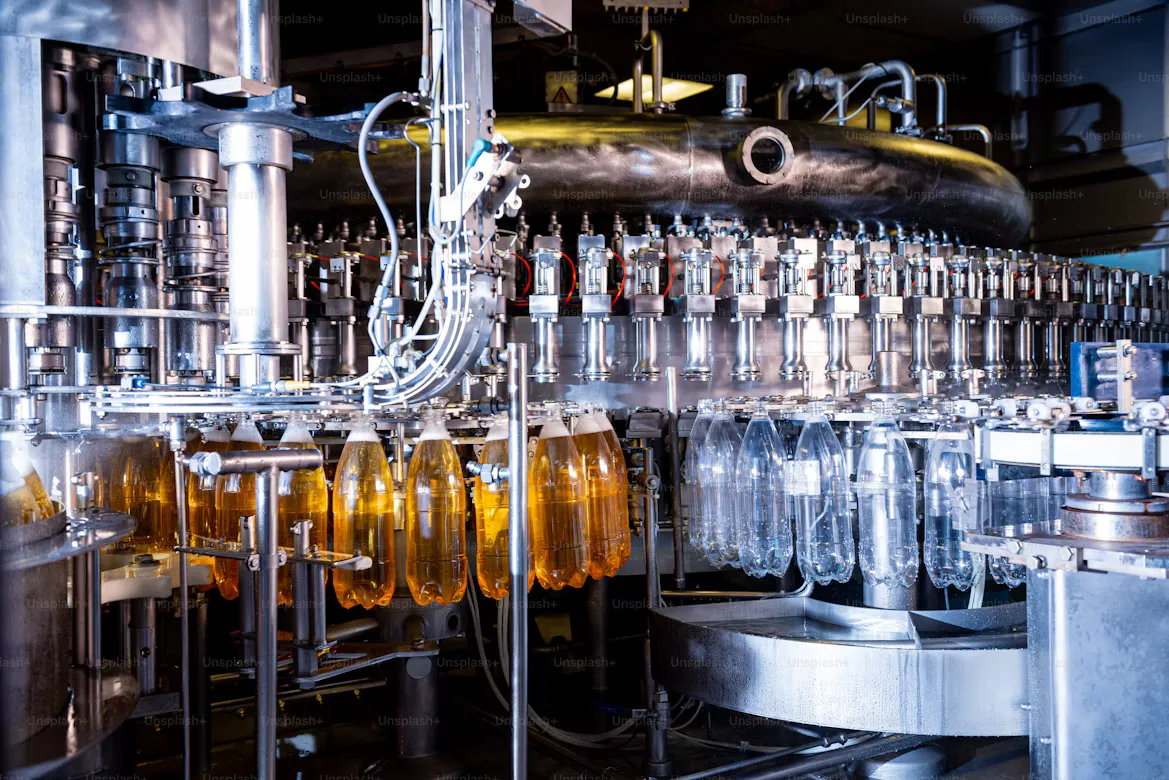
Factories may use different equipment for filling, sealing, processing and packaging. The selected production line must match the product formulation and packaging format.
For example, canned beverages and PET bottled drinks require different packaging equipment. Products with specific ingredients or textures may also need suitable processing and filling systems.
Production line preparation can involve equipment adjustment, cleaning, testing and other setup activities.
When a manufacturer needs to change from one product configuration to another, additional preparation may be required.
Therefore, MOQ can vary depending on whether the product fits an existing production setup or requires more specialized arrangements.
Buyers should ask manufacturers whether their product can run on an existing line and whether any special equipment or preparation is necessary.
2.5. Ingredient Availability and Procurement
Ingredient sourcing can also affect the minimum order quantity.
Some ingredients are commonly available through established supply channels, while others may require specific suppliers, purchasing conditions or special procurement arrangements.
This is particularly relevant for customized beverage formulas.
If a product requires a specific fruit ingredient, flavoring, sweetener or other material, the supplier may need to purchase a minimum quantity from its ingredient provider.
In some cases, the required ingredient quantity may be higher than what is needed for a small production run.
To avoid unnecessary costs, buyers should discuss:
Ingredient availability.
Supplier purchasing conditions.
Minimum ingredient purchasing quantities.
Ingredient shelf life and storage requirements.
Alternative ingredients, where acceptable.
Buyers should also confirm whether proposed ingredient alternatives meet their product specifications and destination-market requirements.
2.6. Customization and Private Label Requirements
Customization can influence MOQ, especially for private label beverage projects.
A buyer who selects an existing product formula and standard packaging may have different production requirements from a buyer developing a completely new beverage.
Private label projects may involve customized formulas, flavors, labels, artwork, packaging materials and product specifications.
Each additional customization requirement can introduce separate preparation or procurement activities.
For example, customized printed labels may require a minimum printing quantity. A new packaging design may also require additional development and approval before production.
Before starting a project, buyers should decide which elements are essential and which can use existing options.
This helps balance brand identity, development costs and production requirements.
For businesses that need more support with product planning, formula development and manufacturing arrangements, explore Nam Viet Group's manufacturing and fulfillment services.
2.7. Order Volume and Production Planning
The final factor is the overall production plan.
A manufacturer's MOQ may depend on how an order fits into its production schedule, material availability and operational requirements.
For example, a project requiring several products with different flavors and packaging formats may need separate production arrangements.
The buyer should also consider whether the order is intended for:
Initial market testing.
A new product launch.
Regular distributor supply.
Seasonal campaigns.
Large-scale retail distribution.
Each business objective may require a different purchasing strategy.
Instead of focusing only on the lowest possible MOQ, buyers should consider the relationship between production volume, inventory needs, expected demand and total purchasing costs.
3. How Does MOQ Differ Between Standard, OEM and Private Label Beverages?
Not all beverage manufacturing projects follow the same production model. Understanding the differences can help buyers choose an approach that matches their business requirements.
3.1. Standard Beverage Products
Standard beverage products are products that a manufacturer already produces using established formulas and available packaging options.
Because the product specifications and production arrangements are already defined, these projects may require fewer development activities.
However, the actual MOQ still depends on production planning, packaging availability and the manufacturer's order policy.
This option may be suitable for buyers who want to source an existing product without making significant changes.
3.2. OEM Beverage Manufacturing
OEM (Original Equipment Manufacturing) generally refers to a manufacturing arrangement in which the buyer provides an existing formula or technical specifications for the manufacturer to produce.
The manufacturer evaluates the formula, ingredients, production process and packaging requirements before confirming whether the project can be manufactured.
OEM projects may involve additional requirements if the formula uses special ingredients or requires specific production conditions.
Buyers should provide a complete product specification before asking for an MOQ quotation.
3.3. Private Label Beverage Manufacturing
Private label manufacturing allows businesses to sell beverages under their own brand.
Depending on the project, buyers may select existing beverage products and customize branding, packaging or other agreed product elements.
The MOQ may be influenced by the selected product, packaging materials, number of SKUs and customization requirements.
For example, using an available product with standard packaging may involve different requirements from developing several customized flavors with specially printed packaging.
The best approach is to confirm the product configuration first and then request the MOQ for each SKU.
4. How to Calculate and Plan Your Beverage Manufacturing Order
Understanding MOQ is only the first step. Buyers should also evaluate how much product they actually need and whether the order is suitable for their business.
Here are four practical steps to help plan your production quantity.
4.1. Estimate Your Market Demand
Start by understanding your target market and expected sales volume.
Consider your distribution channels, customer base, sales forecast and product launch plan.
For example, an importer supplying regional distributors may have different inventory requirements from a retailer launching a new beverage brand.
You should also consider how quickly your products are expected to sell and how much stock your business can store.
A realistic demand forecast helps prevent over-ordering and unnecessary inventory costs.
4.2. Calculate the Required Quantity per SKU
Do not calculate your total order quantity without considering individual SKUs.
If you plan to launch multiple flavors or packaging sizes, estimate the required quantity for each product separately.
A simple planning table can help:
Product
Flavor
Packaging
Estimated Demand
Product A
Mango
PET Bottle
To be confirmed
Product B
Strawberry
PET Bottle
To be confirmed
Product C
Orange
Aluminum Can
To be confirmed
After preparing the table, ask the manufacturer to confirm whether the MOQ applies separately to each SKU or can be combined under an agreed production arrangement.
4.3. Consider Inventory and Storage Costs
A larger order may help distribute certain production costs across more units, but it can also increase the financial commitment.
Before confirming an order, consider:
Total purchasing cost.
Warehouse and storage expenses.
Product shelf life.
Expected sales speed.
Transportation and distribution costs.
Cash flow and working capital.
For beverage products, inventory planning is especially important because products have declared shelf lives and specific storage conditions.
Buyers should make sure that the planned quantity can be sold within a suitable period.
4.4. Confirm the Final MOQ with the Manufacturer
Once your product requirements and estimated demand are ready, request a detailed quotation.
The manufacturer should evaluate the product configuration and confirm the applicable MOQ, pricing conditions and production requirements.
Avoid making purchasing decisions based on general MOQ information from unrelated suppliers.
Every factory may have different equipment, packaging arrangements and production policies.
A written quotation should clearly state the agreed quantity, product specifications, packaging details, lead time and other relevant commercial conditions.
5. 5 Practical Ways to Manage MOQ for a New Beverage Project
For businesses entering the beverage market, managing MOQ is important because the initial order can affect cash flow, inventory and future purchasing decisions.
The following strategies can help buyers prepare a more practical production plan.
5.1. Start with Existing Product Formulas
If you do not need a completely new formulation, consider products that are already available from the manufacturer.
Existing formulas may reduce the need for additional development activities and help simplify the initial project.
You can focus on evaluating product samples, selecting suitable flavors and confirming packaging requirements.
5.2. Choose Standard Packaging Options
Standard packaging may offer a simpler starting point than developing completely customized packaging.
Ask the manufacturer which bottle, can or other packaging formats are already available.
Compare the costs, product presentation and market suitability before making a decision.
Customized packaging can still be considered when it provides clear value for your brand.
5.3. Plan Flavors and SKUs Carefully
Launching too many flavors at once can increase the complexity of production and inventory management.
Instead, consider which products are most important for your initial launch.
A focused product range may make purchasing and distribution easier to manage.
However, always confirm the manufacturer's MOQ per flavor and SKU before finalizing the product selection.
5.4. Discuss Packaging and Production Together
Packaging procurement and beverage production are closely connected.
Discussing both at the same time allows the manufacturer to evaluate whether your preferred materials, sizes and quantities are suitable for the production plan.
It also helps identify potential issues before the project reaches the production stage.
5.5. Build a Long-Term Purchasing Plan
If you expect to reorder products regularly, discuss your estimated annual or quarterly demand with the manufacturer.
A purchasing forecast can help both parties understand expected production needs and material planning.
However, an estimated forecast should not be treated as a confirmed order unless both parties agree to the relevant commercial terms.
The goal is to establish a production arrangement that supports your business as demand develops.
6. Questions Buyers Should Ask Before Confirming Beverage Manufacturing MOQ
Before placing an order, importers and brand owners should make sure they understand the manufacturer's MOQ policy.
Here is a practical checklist to use during supplier discussions.
Question
Why It Matters
Is MOQ calculated per SKU or per total order?
Clarifies how quantities are divided between products.
Does each flavor have a separate MOQ?
Helps plan a multi-flavor product range.
Can different products share one production order?
Buyers should request clear answers in writing, especially when working with a new manufacturing partner.
A professional supplier should be able to explain the factors affecting MOQ and provide a quotation based on the actual project requirements.
Find the Right MOQ for Your Beverage Project
Understanding beverage manufacturing MOQ is essential for importers, distributors and businesses planning to launch their own beverage brands.
The minimum order quantity is not determined by one factor alone. It depends on the product formula, beverage category, production equipment, packaging materials, customization requirements and overall production plan.
Instead of focusing only on finding the lowest MOQ, buyers should look for a manufacturing arrangement that balances production efficiency, product quality, inventory requirements and business objectives.
At Nam Viet Group, we understand that every beverage project has different requirements. Whether you already have a product formula or are exploring a new beverage concept, our team can discuss your production needs and help evaluate suitable manufacturing options.
Planning your next beverage project?
Contact Nam Viet Group to discuss your product category, packaging preferences and estimated order volume.
Ask About MOQ and let our team help you explore a suitable manufacturing solution for your business.