10 Global Beverage Industry Trends Shaping the Market in 2027
Explore 10 global beverage industry trends shaping 2027, from functional drinks and low-sugar options to flavor innovation, convenience, sustainable packaging, and emerging market opportunities for beverage manufacturers and distributors.
By Team Nam Viet Group
11 min read
Quick answer
The global beverage industry is entering 2027 with changing consumer expectations, new product opportunities, and increasing pressure on manufacturers and brands to innovate. Consumers are looking for more than refreshment. They want beverages that match their lifestyles, offer clear value, deliver enjoyable experiences, and meet their personal needs. At the same time, digital channels, packaging developments, and sustainability expectations are
The global beverage industry is entering 2027 with changing consumer expectations, new product opportunities, and increasing pressure on manufacturers and brands to innovate. Consumers are looking for more than refreshment. They want beverages that match their lifestyles, offer clear value, deliver enjoyable experiences, and meet their personal needs. At the same time, digital channels, packaging developments, and sustainability expectations are influencing how products are developed and sold. Understanding these global beverage industry trends can help manufacturers, importers, distributors, and beverage brands make better decisions for the year ahead.
1. Functional Beverages Are Becoming Part of Everyday Consumption
One of the most important beverage market trends for 2027 is the growing interest in drinks that offer a purpose beyond refreshment. Consumers are paying more attention to what beverages contain and how products fit into their daily routines.
According to FMI's Power of Beverage 2026 report, consumers are increasingly looking for beverages that support needs such as hydration, energy, protein intake, digestive health, and mood. This suggests that functional benefits are becoming an important part of beverage purchasing decisions.
1.1. Trend 1: Functional Drinks for More Everyday Needs
Functional beverages are expanding beyond traditional energy drinks and sports drinks. Product concepts now cover a wider range of consumer needs, including:
Hydration: Drinks positioned around everyday hydration and electrolyte replenishment.
Energy and focus: Products designed for consumers looking for an energy boost during work, study, or daily activities.
Protein and nutrition: Protein-based beverages, dairy drinks, and plant-based options.
Digestive wellness: Products developed with ingredients such as fiber or probiotics.
Relaxation and mood: Beverages positioned around relaxation and everyday lifestyle needs.
For beverage manufacturers, this creates opportunities to explore new formulations, ingredients, and product categories. However, brands should ensure that every functional statement is supported by appropriate product evidence and complies with the regulations of the target market.
1.2. Trend 2: Low-Sugar and No-Sugar Options Gain More Attention
Sugar reduction remains an important consideration in beverage development. Consumers are becoming more aware of ingredient lists and nutritional information, while brands are looking for ways to offer products that match changing preferences.
EY's 2026 research on the US beverage market found that 66% of surveyed consumers had shifted toward lower-sugar or lower-calorie options. NIQ's 2026 report on the Asia-Pacific beverage market also identifies low- and no-sugar options as part of the wider shift toward purpose-led consumption.
For beverage brands, the challenge is to balance sugar reduction with taste, texture, and product consistency. Simply reducing sweetness may not be enough if the final beverage does not meet consumer expectations.
Manufacturers may need to evaluate different sweetening systems, ingredient combinations, and formulation methods. Product testing is important before launching a new recipe, especially when entering a market with specific taste preferences.
2. Flavor Innovation Is Creating New Product Opportunities
Flavor remains a major factor in beverage selection. While familiar flavors continue to have a place in the market, consumers are also exploring more distinctive combinations and international taste experiences.
For brands, flavor innovation can help refresh an existing product range, attract new customers, and create seasonal product opportunities.
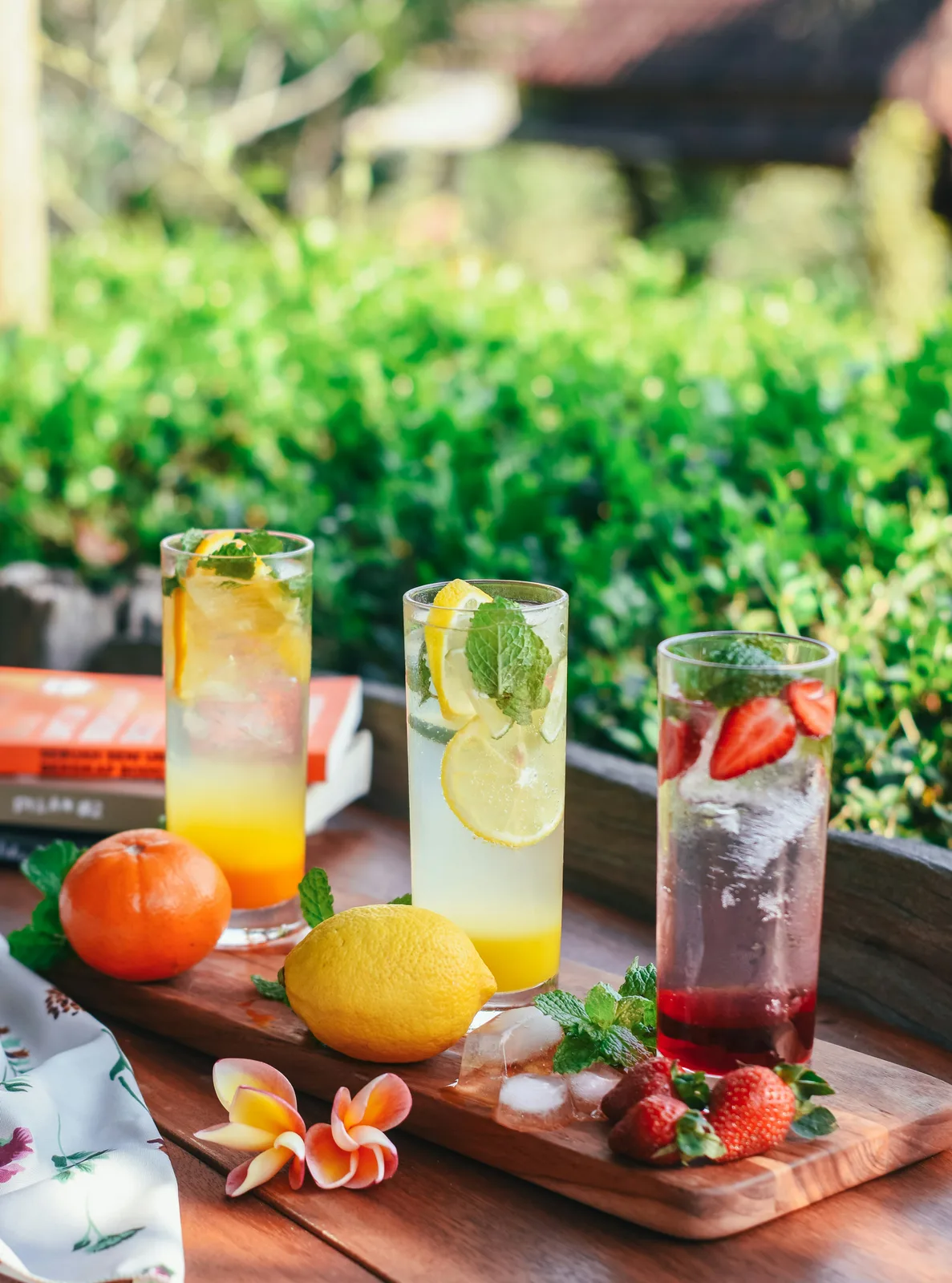
2.1 Trend 3: Tropical, Citrus, and More Distinctive Flavor Profiles
Flavor exploration is moving beyond familiar fruit choices. Citrus-forward, sour, botanical, and tropical profiles are gaining attention in product development.
Nestlé USA's 2027 food and beverage trendforecast highlights growing interest in zesty flavors, including citrus and herb-inspired combinations. The forecast also points to fruit-inspired coffee and matcha as emerging areas of flavor experimentation.
For beverage developers, this creates opportunities to explore combinations such as:
Lemon and ginger
Calamansi and citrus
Mango and passion fruit
Pineapple and coconut
Strawberry and other fruit blends
Fruit-inspired coffee and tea beverages
These combinations are examples of product development directions, not a guarantee of demand in every market. Brands should evaluate local preferences, ingredient availability, and consumer feedback before selecting a final formula.
2.2. Trend 4: Global and Regional Flavors Influence Beverage Innovation
Consumers are increasingly exposed to food and drink experiences from different regions through travel, digital content, and international retail products.
Nestlé's 2027 forecast highlights interest in more specific regional food experiences rather than broad international categories. Although its research focuses on the US market, it reflects an opportunity for brands to develop products with more distinctive flavor identities.
For beverage manufacturers, regional ingredients and familiar local flavors can become useful starting points for product innovation. Tropical fruits, tea, coffee, coconut, and botanical ingredients may offer opportunities to develop products for different consumer groups.
However, a flavor that performs well in one country may not automatically succeed in another. Importers and distributors should assess local taste preferences, price expectations, and product positioning before introducing unfamiliar flavors.
3. Convenience and Consumption Occasions Shape Product Development
Convenience continues to influence how consumers choose and consume beverages. Busy routines, changing work patterns, and different consumption occasions create demand for products that are easy to store, carry, and enjoy.
Finlays' 2026 Global Beverage Industry Trends Report identifies convenience as one of its key themes. FMI's 2026 beverage research also highlights how beverage choices are increasingly connected to specific occasions and personal needs.
3.1. Trend 5: Ready-to-Drink Beverages Fit Busy Lifestyles
Ready-to-drink (RTD) beverages offer a convenient format for consumers who want products that require little or no preparation.
Examples include:
Ready-to-drink coffee and tea
Fruit juice drinks
Coconut water
Plant-based beverages
Functional and energy drinks
Milk-based beverages
RTD products can serve different occasions, including breakfast, work breaks, travel, exercise, and social activities.
For manufacturers and beverage brands, the opportunity is not only about creating a convenient drink. Packaging size, portability, shelf life, storage conditions, and distribution requirements also need to be considered.
A product designed for convenience should match the habits of its intended customers. For example, a single-serve format may suit on-the-go consumption, while a larger package may be more suitable for household use.
3.2. Trend 6: Occasion-Based Products Create More Specific Market Opportunities
Consumers do not always choose beverages based only on product categories. They may select a drink based on what they are doing, where they are, or what they need at a particular moment.
FMI's Power of Beverage 2026 report highlights the growing connection between beverage choices, personal needs, and consumption occasions.
This creates opportunities for brands to develop products around specific situations, such as:
Morning routines and breakfast
Work and study breaks
On-the-go refreshment
Sports and active lifestyles
Social gatherings
Relaxation at home
For beverage businesses, occasion-based positioning can make product communication more relevant. It can also help retailers and distributors organize products around customer needs rather than relying only on traditional beverage categories.
4. Consumers Expect Better Value, Not Just Lower Prices
Price remains an important factor in beverage purchasing, but value is more complex than simply choosing the cheapest product.
Consumers may consider taste, quality, brand reputation, convenience, and product benefits when deciding whether a beverage is worth buying.
4.1. Trend 7: Value and Premium Experiences Exist Side by Side
The beverage market is showing two different purchasing behaviors. Some consumers are looking for affordable products for everyday consumption, while others are willing to pay more for products that offer a distinctive experience or clear added value.
Kearney's 2026 Beverage Outlook describes this pattern as consumers trading down for routine occasions while trading up for premium, health-led experiences.
FMI's research supports the idea that value extends beyond price. In its 2026 US shopper survey, 61% of respondents identified low price as a definition of good value, while taste, trusted quality, and brand trust were also important factors.
For beverage brands, this means that product positioning should be clear. A premium beverage needs to communicate why it is worth the price. An affordable product still needs to meet expectations for taste and quality.
Manufacturers and distributors should also consider the target market's purchasing power, retail price range, and competitive products when planning a new beverage range.
5. Digital Discovery and Social Commerce Influence Beverage Choices
Digital platforms are changing how consumers discover new products. Online content, reviews, and social recommendations can introduce beverages to potential buyers before they encounter them in a store.
5.1. Trend 8: Social Media and Online Reviews Support Product Discovery
FMI's Power of Beverage 2026 report identifies e-commerce and social commerce as increasingly important parts of the beverage purchasing journey, particularly among younger consumers.
NIQ's 2026 Asia-Pacific beverage report also highlights the role of online reviews, digital content, and social recommendations in product consideration. The report states that 52% of APAC consumers rely on online reviews when searching for products.
For beverage brands, digital visibility is becoming an important part of product development and marketing. A beverage may attract attention through its packaging, flavor concept, product presentation, or content shared by consumers.
B2B businesses can also use digital channels to support their sales activities. A clear product catalog, informative website, professional product images, and accessible product specifications can help importers and distributors evaluate potential suppliers.
For manufacturers, this means product information should be consistent across websites, online catalogs, and sales materials.
6. Sustainability and Product Innovation Influence the Future of Beverage Manufacturing
Sustainability is becoming a relevant consideration in beverage development, packaging decisions, and supply chain planning. At the same time, manufacturers need to balance new packaging requirements with product protection, production efficiency, and market regulations.
6.1. Trend 9: Sustainable Packaging Receives More Attention
Packaging plays an important role in beverage safety, product quality, transportation, and consumer convenience. However, businesses are also evaluating how packaging materials affect their sustainability goals.
PMMI's 2025 Beverage Industry Packaging Trends report identifies material shifts, equipment investment, digital technologies, and production readiness as important areas for the beverage packaging industry. Its research examines developments involving paper, metal, flexible formats, and changes in packaging equipment.
For beverage brands and manufacturers, packaging decisions may involve:
Evaluating recyclable material options where suitable collection and recycling systems exist.
Reviewing the weight and material use of packaging.
Considering packaging formats that protect product quality during transportation.
Checking whether packaging materials are compatible with existing production equipment.
Reviewing packaging regulations in destination markets.
A packaging option should not be selected based on sustainability claims alone. Businesses should also assess its technical performance, product compatibility, cost, and end-of-life management in the target market.
6.2. Trend 10: Product and Packaging Innovation Become More Closely Connected
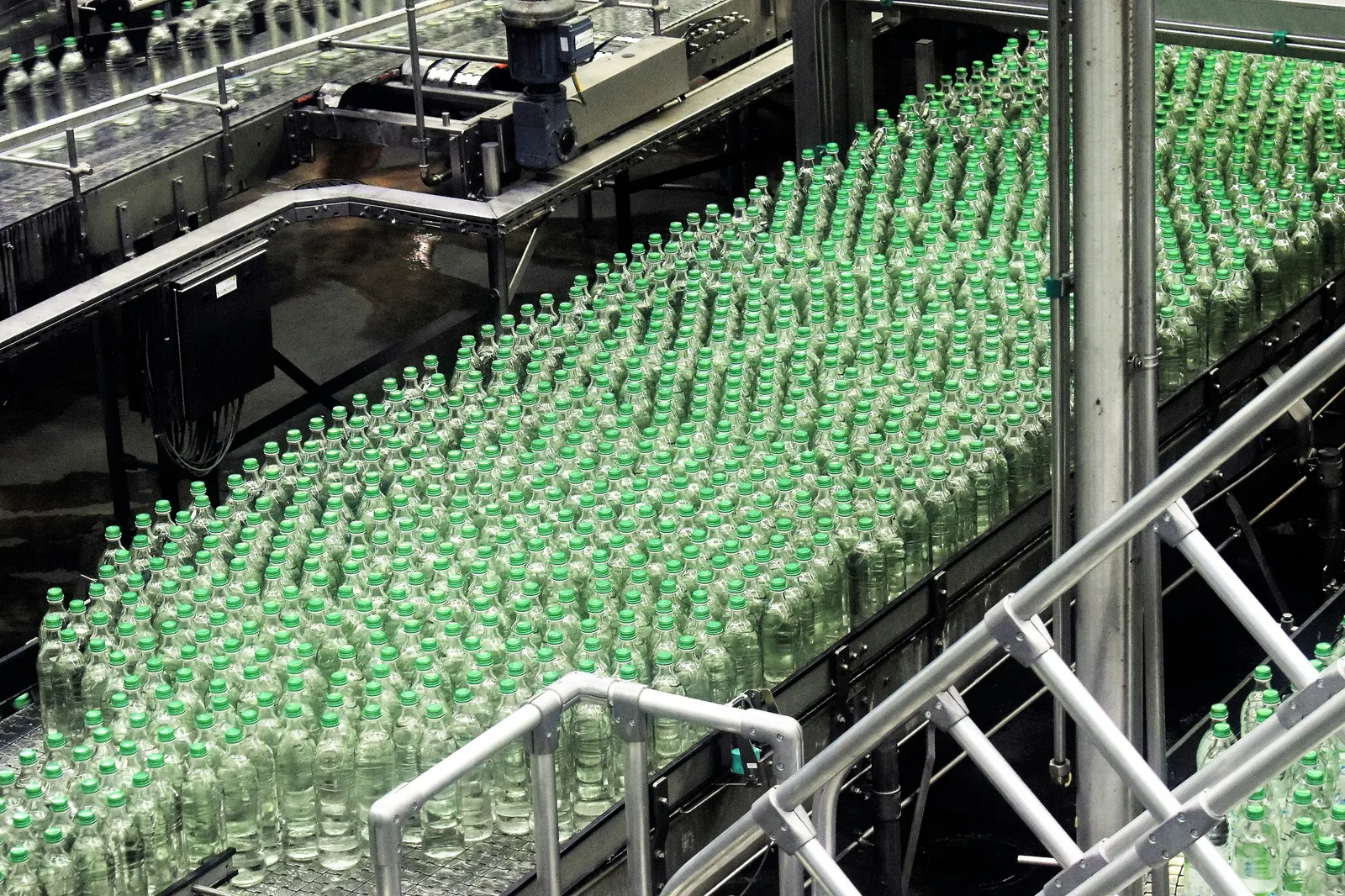
Beverage innovation is not limited to new flavors or formulas. Packaging format, production technology, and product presentation also influence how a beverage reaches the market.
PMMI's research highlights investment in filling equipment, coding, palletizing, technology integration, and packaging materials. These areas show how manufacturing decisions are connected to product and packaging development.
For example, a brand may want to launch a new beverage in an aluminum can, PET bottle, or glass bottle. Each format can involve different requirements for filling, sealing, labeling, transportation, and storage.
For manufacturers, early coordination between product development, packaging, and production teams can help identify technical requirements before a product launch.
For importers and distributors, understanding packaging specifications can also support decisions about shipping, warehousing, retail presentation, and destination-market requirements.
7. What These Beverage Industry Trends Mean for Manufacturers and Distributors ?
The trends shaping 2027 create opportunities, but they also require businesses to make more informed decisions. Manufacturers, importers, distributors, and brand owners should consider the following priorities.
7.1. Understand the target market before developing a product.
Consumer preferences can vary by country, region, age group, and consumption occasion. Businesses should use local market research, customer feedback, and sales information to evaluate product opportunities.
7.2. Focus on product quality and clear value.
New flavors and functional concepts may attract attention, but taste, quality, price, and brand trust remain important to purchasing decisions.
7.3. Evaluate formulation and packaging together.
A beverage formula must work with the selected packaging format and production process. Early technical evaluation can help reduce the risk of changes during manufacturing.
7.4. Build a flexible product portfolio.
Brands may benefit from reviewing different beverage categories, flavors, sizes, and packaging formats. However, each new product should have a clear target customer and market purpose.
7.5. Work with manufacturing partners early.
Manufacturers can help evaluate product specifications, formulation requirements, packaging compatibility, and production planning. Early discussions can make the product development process clearer for all parties.
For businesses exploring OEM, ODM, or private label beverage projects, these considerations are important when turning a market opportunity into a product that can be manufactured and distributed.
Preparing for the Next Stage of Beverage Market Growth
The global beverage industry in 2027 will be shaped by changing consumer needs, product innovation, digital discovery, and evolving manufacturing requirements. Functional benefits, lower-sugar options, distinctive flavors, convenience, and sustainable packaging are creating new directions for beverage businesses.
However, following a trend does not automatically guarantee product success. Brands need to understand their target markets, evaluate consumer demand, and work with manufacturing partners to develop products that meet both market expectations and technical requirements.
For importers, distributors, and beverage brands looking to explore new opportunities, choosing the right manufacturing partner is an important step.
Explore Beverage Opportunities with Nam Viet Group.
From product development to beverage manufacturing and packaging, Nam Viet Group supports businesses exploring OEM, ODM, and private label beverage solutions for different markets.
1. What are the biggest beverage industry trends for 2027?
Key trends include functional beverages, low-sugar options, flavor innovation, ready-to-drink products, occasion-based consumption, value-focused purchasing, digital discovery, sustainable packaging, and manufacturing innovation.
2. Why are functional beverages becoming more popular?
Consumers are increasingly looking for beverages that fit specific needs, such as hydration, energy, protein intake, and digestive wellness. These needs are influencing product development and purchasing decisions.
3. Are low-sugar beverages still an important market trend?
Yes. Recent research from EY and NIQ identifies lower-sugar and no-sugar options as part of changing consumer preferences. Brands still need to balance sweetness, taste, product quality, and local regulations.
4. What beverage categories offer opportunities for manufacturers?
Potential areas include functional drinks, ready-to-drink coffee and tea, fruit-based beverages, plant-based drinks, coconut water, and products with distinctive flavor combinations. Actual opportunities depend on market demand and production feasibility.
LET'S TAKE THE NEXT STEP
Discuss your beverage requirements.
Share your market, product and preferred packaging with our team.