How Much Does Beverage Contract Manufacturing Cost?
Discover the key factors affecting beverage contract manufacturing cost, including ingredients, formulation, packaging, production volume, and logistics. Learn how to plan your budget and choose the right OEM/ODM manufacturing partner with NAM VIET GROUP.
By Rose
6 min read
Quick answer
Beverage contract manufacturing costs are determined by several key factors, including product formulation, ingredient quality and sourcing, packaging materials and formats, production volume, and logistics. A typical project budget encompasses product development, raw materials, packaging, manufacturing processes, quality control, and transportation. The specific cost structure varies based on the project's scope and the level of service required.
Beverage contract manufacturing cost is one of the most important factors to evaluate when launching or expanding a beverage brand. From product formulation and ingredients to packaging, production volume, and logistics, several elements determine the total manufacturing budget. NAM VIET GROUP provides OEM/ODM beverage manufacturing solutions to help businesses develop customized products and bring their beverage ideas to global markets.
Beverage contract manufacturing allows businesses to outsource production to a specialized manufacturer instead of investing in their own factory and equipment. Services may include product development, ingredient sourcing, processing, filling, packaging, quality control, and export support.
1.2. What Does Beverage Manufacturing Cost Include?
A typical project may include:
Product development: formulation, R&D, sampling, and adjustments.
Ingredients: fruit concentrates, purees, sweeteners, flavors, and functional ingredients.
Packaging: cans, PET bottles, cartons, caps, labels, and shipping materials.
Manufacturing: processing, labor, equipment operation, filling, and packing.
Quality control: product testing, inspection, and applicable certifications.
Logistics: warehousing, transportation, and international shipping.
The actual cost structure depends on project scope. A business with an approved formula may need fewer development services than a new brand requiring ODM support.
1.3. OEM vs. ODM vs. Private Label
OEM suits businesses with an existing formula or product specifications. ODM is ideal for businesses needing formulation, ingredient selection, sample development, and customization. Private Label allows businesses to market products under their own brand using an existing or agreed product configuration. ODM may involve additional development expenses but offers greater flexibility.
2. Key Factors Influencing Beverage Production Cost
Understanding beverage contract manufacturing cost helps businesses plan their budgets and make informed production decisions. Factors such as beverage production cost, private label beverage cost, and beverage manufacturing pricing should be carefully evaluated when choosing a manufacturing partner. These considerations help businesses select suitable ingredients, packaging formats, and production volumes.
2.1. Ingredients and Raw Materials
Ingredient costs depend on quality, local or imported sourcing, seasonal availability, formulation complexity, and purchasing quantities. Different beverages may use fruit juice, concentrates, coconut ingredients, aloe vera, sweeteners, vitamins, minerals, or functional ingredients. Selection should balance quality, flavor, availability, target cost, and market requirements.
2.2. Product Formulation and R&D
An ODM process may include reviewing the product concept, selecting ingredients, developing samples, adjusting flavor and sweetness, evaluating stability and processing suitability, and finalizing specifications. Costs depend on formulation complexity, sample quantities, and revisions required.
2.3. Packaging Materials and Formats
Packaging affects cost because each format requires different materials and filling configurations. Common options include aluminum cans, PET bottles, glass bottles, aseptic cartons, and pouches. Customized packaging may require additional design, tooling, and minimum order quantities. Selection should consider product characteristics, brand positioning, production compatibility, and distribution needs.
2.4. Production Volume and MOQ
Smaller orders may have higher unit costs because setup expenses are distributed across fewer products. Larger orders may improve efficiency, but buyers should also consider inventory, cash flow, warehouse capacity, and market demand. Confirm whether MOQ applies per product, flavor, packaging format, or production batch.
2.5. Quality Control and Regulatory Requirements
Depending on the product and destination market, requirements may include raw material inspection, microbiological and physicochemical testing, shelf-life evaluation, packaging integrity checks, nutritional analysis, label verification, and applicable food safety certifications. Identify requirements early to plan the budget and schedule.
For the United States, the FDA provides an official Food Labeling Guide for industry reference.
3. How to Calculate the Total Cost to Manufacture Drinks
3.1. Identify All Cost Components
List product development, ingredients, packaging, manufacturing, quality assurance, and logistics. Ask the manufacturer to identify which items are included and which are charged separately.
3.2. Calculate Unit Manufacturing Cost
Unit Manufacturing Cost = Total Manufacturing Cost ÷ Total Saleable Units
Separate one-time expenses, such as product development and packaging setup, from recurring production costs. This makes it easier to compare initial investment with repeat-order costs.
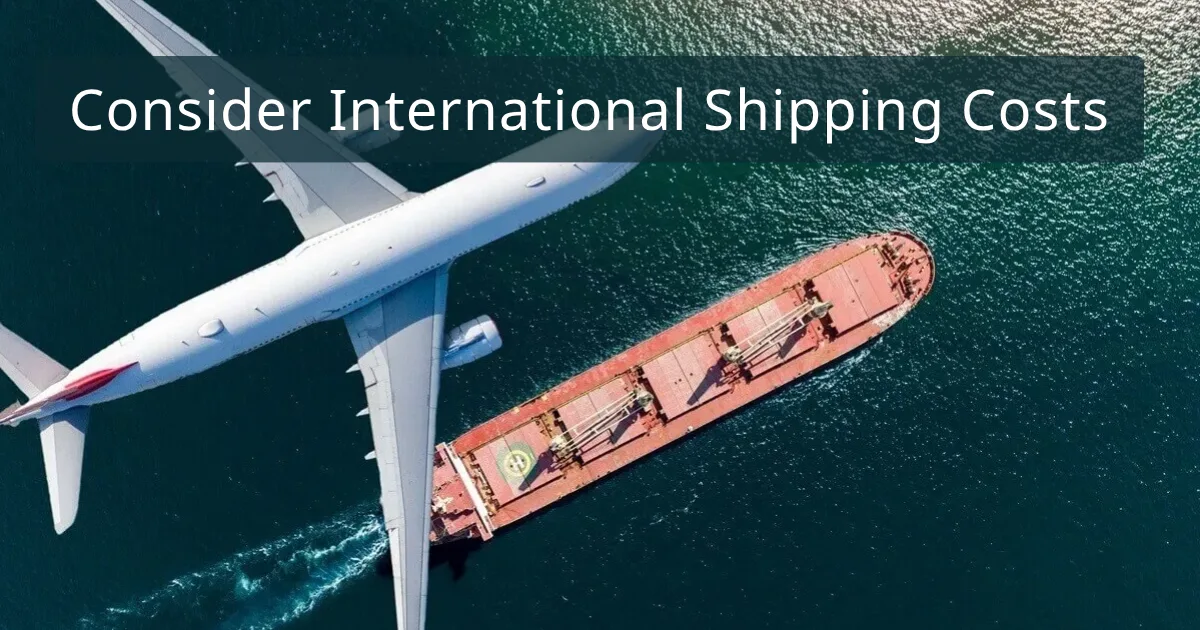
3.3. Consider International Shipping Costs
The factory quotation may not represent the full cost of receiving goods. Additional expenses can include international freight, cargo insurance, import duties and taxes, customs clearance, destination handling, and local transportation. Confirm terms such as EXW, FOB, or CIF and clarify each party’s responsibilities.
4. How ODM Manufacturing Helps Optimize Your Budget
4.1. Develop the Right Product Before Mass Production
A clear product concept and approved formulation help reduce unnecessary changes during commercial production. ODM support allows businesses to evaluate ingredients, flavors, packaging, and technical requirements before committing to larger quantities.
4.2. Optimize Formulation and Packaging
An experienced ODM partner can evaluate ingredient and packaging options against product quality, target cost, and market positioning. A low-sugar fruit beverage, for example, may require careful adjustment of sweetness, acidity, and fruit flavor.
4.3. Plan Production Quantities Strategically
Consider sales forecasts, shelf life, warehouse capacity, and working capital before confirming production volumes. The right order quantity balances manufacturing efficiency with inventory management and market demand.
4.4. Work With an Integrated Manufacturing Partner
Coordinating separate suppliers for formulation, ingredients, packaging, and production can create management challenges. An integrated ODM partner helps align product development, manufacturing, packaging, and quality control.
5. Why Choose NAM VIET GROUP for ODM Beverage Manufacturing?
5.1. End-to-End ODM Beverage Solutions
NAM VIET GROUP provides OEM, ODM, and private label beverage manufacturing solutions. Depending on project requirements, support may include product concept evaluation, customized formulation, ingredient selection, flavor adjustment, sample development, packaging consultation, manufacturing, filling, quality control, and export support.
Our projects cover fruit juice and fruit-based beverages, coconut water and coconut-based drinks, aloe vera beverages, energy and functional drinks, vitamin-enhanced beverages, and customized formulations.
5.3. Manufacturing and Packaging Capabilities
NAM VIET GROUP’s manufacturing processes cover preparation, blending, processing, filling, sealing, and packaging. Depending on product specifications, packaging directions may include aluminum cans, PET bottles, glass bottles, aseptic cartons, and pouches.
5.4. Quality Assurance and Export Support
NAM VIET GROUP supports manufacturing quality processes and relevant export documentation according to the agreed project scope and destination market requirements.
Explore our Beverage Manufacturing and Fulfillment Services.
5.5. A Long-Term Partner for Beverage Brands
NAM VIET GROUP aims to build long-term partnerships with beverage brand owners, importers, distributors, and retailers by understanding customer requirements and supporting product development, manufacturing, and future business expansion.
6. What Information Is Needed to Request a Beverage Manufacturing Quote?
6.1. Prepare Your Product Requirements
To receive a more accurate quotation, prepare the product type, existing formula or ODM development needs, desired flavor and sweetness, packaging format and size, estimated order quantity, target market, applicable requirements, and expected timeline.
6.2. Questions to Ask Your Manufacturing Partner
Does the manufacturer offer ODM formulation and R&D services?
Which beverage categories and packaging formats can the factory produce?
What is the minimum order quantity (MOQ)?
Which costs are included in the quotation?
What quality control procedures are applied?
What certifications and export documents can be supported?
What are the estimated development and production lead times?
What are the payment and shipping terms?
7. Get Your Beverage Manufacturing Quote From NAM VIET GROUP
Beverage contract manufacturing cost depends on formulation, ingredients, packaging, production volume, quality requirements, and logistics. Understanding these beverage contract manufacturing cost factors helps businesses compare quotations, plan production effectively, and prepare for international markets.
NAM VIET GROUP provides OEM, ODM, and private label beverage manufacturing solutions, supporting customers from product concept and formulation to commercial production, packaging, and global export.
Have a beverage idea you want to bring to market? Contact NAM VIET GROUP to discuss your product concept, packaging preferences, and manufacturing requirements. Request a project quote and let us help turn your beverage vision into a market-ready product.
Frequently asked questions
What is beverage contract manufacturing?
Beverage contract manufacturing allows businesses to outsource production to specialized manufacturers, avoiding the need to invest in their own factories and equipment. Services often include product development, ingredient sourcing, processing, filling, packaging, quality control, and export support.
What elements are typically included in beverage manufacturing costs?
Beverage manufacturing costs typically include product development (formulation, R&D), ingredients, packaging materials, manufacturing processes (labor, equipment), quality control, and logistics (warehousing, transportation). The actual cost structure depends on the project scope.
How do OEM, ODM, and Private Label models differ in terms of cost?
OEM is for businesses with existing formulas. ODM involves more extensive development services like formulation and sample creation, potentially incurring additional development expenses but offering greater flexibility. Private Label uses existing product configurations under a new brand.
What factors influence the cost of ingredients in beverage production?
Ingredient costs are influenced by their quality, whether they are locally sourced or imported, seasonal availability, the complexity of the formulation, and the purchasing quantities. Selection balances quality, flavor, availability, target cost, and market requirements.
How does packaging impact the overall cost of beverage production?
Packaging significantly affects cost because each format, such as aluminum cans, PET bottles, or glass bottles, requires different materials and filling configurations. This impacts both material and processing expenses.