Apply the 2026 sugar tiers correctly
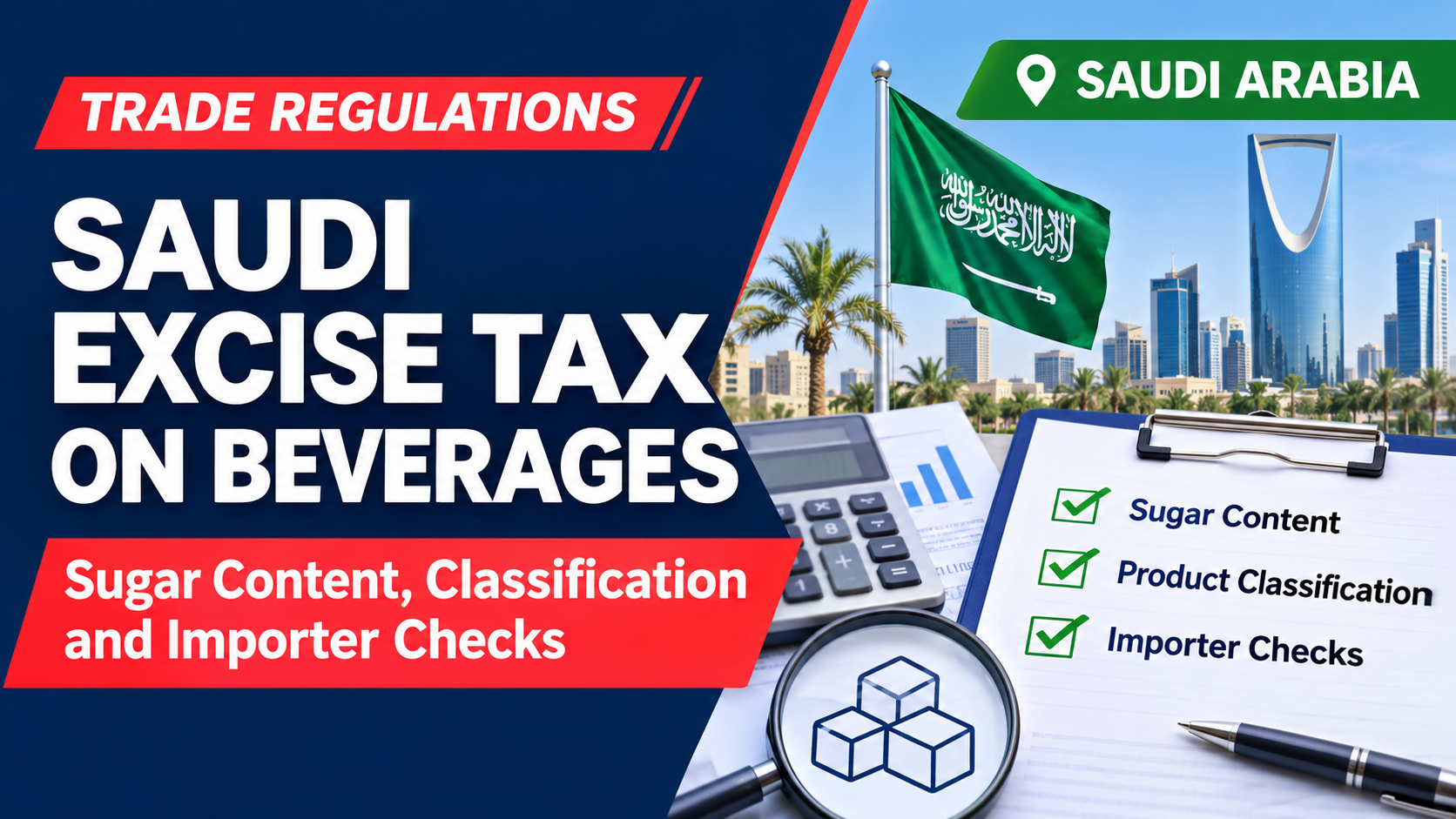
ZATCA replaced the 50% retail-price calculation for qualifying sweetened drinks with graduated rates from January 1, 2026. The relevant measure is total sugar per 100 millilitres in the ready-to-drink beverage, including naturally present sugar when the product falls within the sweetened-drink definition. ZATCA, implementation notice.
A zero rate does not remove excise registration and reporting duties where the product is within the taxed category. ZATCA expressly says the first two tiers remain excise goods subject to compliance requirements. ZATCA guide, page 6.
Check exclusions and product-specific branches
Natural 100% fruit or vegetable juice without added sugar or other sweetener falls outside the sweetened-beverage definition described in ZATCA's guide. Mixing natural fruit juices is not itself treated as adding a sweetener where the inputs contain no added sugar or other sweetener. Verify the actual ingredients rather than treating “100%” on artwork as proof. ZATCA guide, pages 6–9.
The guide also identifies milk and qualifying milk-based drinks, products for special nutritional or medical use, and certain non-commercial preparations as exclusions. The category and conditions matter. A coconut-water blend, flavoured tea, milk coffee or energy-branded product should not inherit an exemption from its marketing name. ZATCA guide, page 9.
For a concentrate or powder, assess the finished drink after dilution according to its directions, not sugar concentration in the undiluted product. When instructions are missing or inaccurate, ZATCA states that a separate authority-determined approach applies, so the importer must resolve the calculation before pricing. ZATCA guide, page 7.
Assemble evidence before the purchase order
The manufacturer can prepare a product-specific dossier for the Saudi buyer. Keep confidential recipe proportions in controlled business records rather than in public marketing copy. A practical pre-shipment checklist is:
- Identify the legal product category, especially energy drinks, 100% juice, milk-based or sweetened beverages.
- Provide ingredient and sweetener information, separating natural sugars, added sugars and artificial sweeteners.
- Document total sugar per 100 mL of the final ready-to-drink product and the supporting nutrition or laboratory basis.
- Supply pack volume and dilution instructions for ready-to-drink units and concentrates respectively.
- Ask the Saudi importer to confirm its ZATCA excise registration, applicable product declaration and tax treatment before shipment.
- Recheck the calculation after reformulation or any change to the declared serving preparation.
ZATCA provides an excise registration service and an excise-return service. They are Saudi taxpayer services, not permits that Nam Viet Group can issue. The importer should separately coordinate Saudi food-market requirements with the appropriate authorities.
Confirm the buyer's tax decision before shipment
The importer should record the chosen category, applicable tier, underlying sugar measurement, pack or dilution volume and how the tax will be accounted for. Do not equate a zero-rate classification with an exemption from registration, or regard a supplier's commercial invoice as a substitute for the Saudi tax assessment. ZATCA, current excise FAQ.
Discuss specifications with Nam Viet Group. Share the Saudi target channel, beverage type, required pack size and proposed sugar profile to discuss formulation options and the product information needed for importer review.
Scope note: This is a Saudi import-side excise overview, not SKU-specific tax advice, a Saudi food approval or a statement about Vietnamese export duties.