2. Confirm the processing route and juice safety records
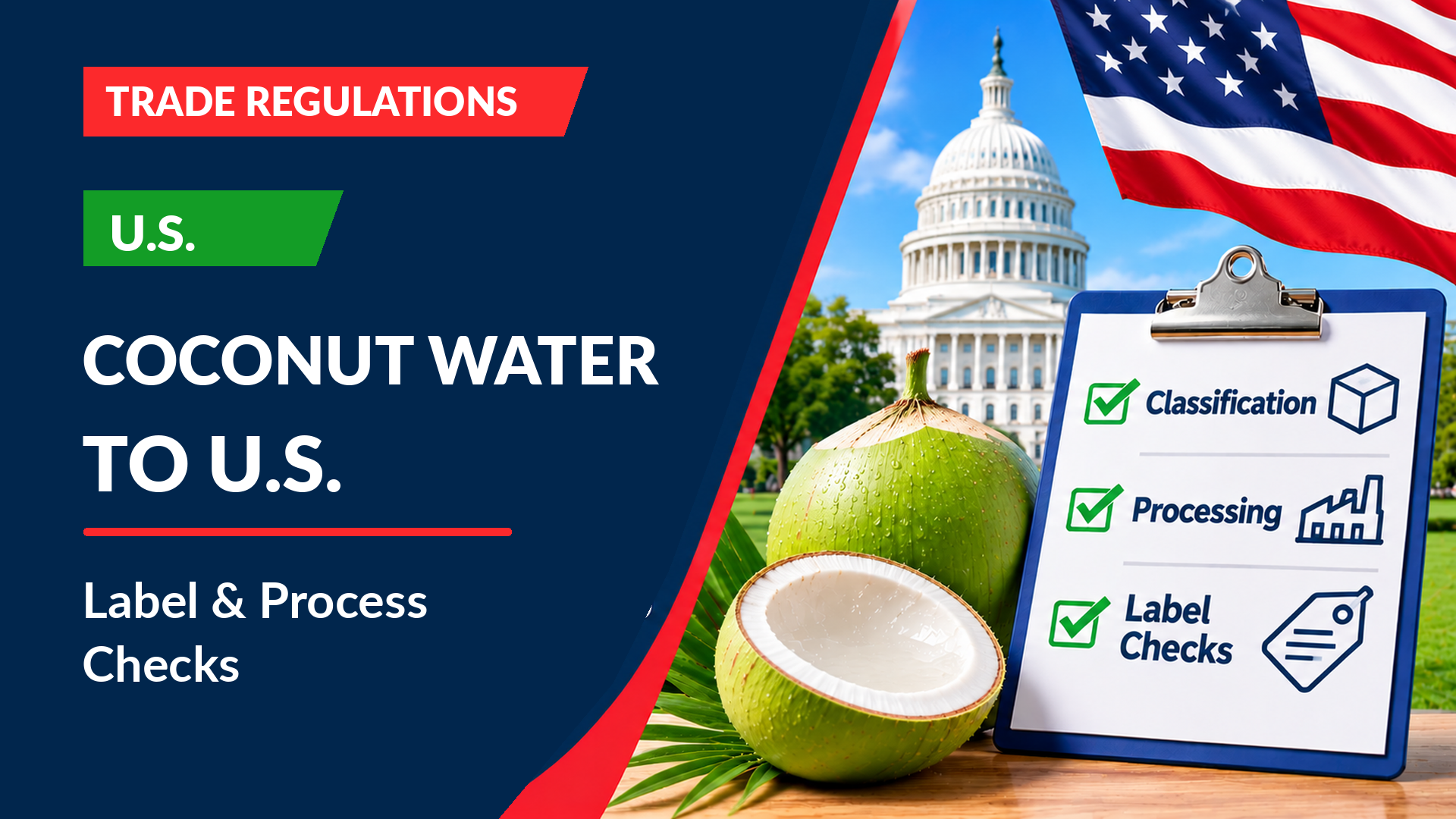
Part 120 requires written hazard analysis and applicable controls, records and verification. Juice HACCP normally requires 5-log pathogen reduction. Certain shelf-stable single-step thermal processes and products under Parts 113 or 114 qualify for exceptions to that particular 5-log control. Other applicable Juice HACCP duties remain. FDA processing guidance and exceptions
Request the hazard analysis, required HACCP plan, treatment validation, batch records and storage conditions. Evidence must match the actual refrigerated, frozen or shelf-stable process. “Pasteurized” alone proves nothing. 21 CFR Part 120, including 120.7–120.14 and 120.24
3. Determine whether low-acid or acidified-food filings also apply
Shelf-stable, hermetically sealed foods may also trigger low-acid canned food (LACF) or acidified food (AF) requirements. LACF generally has equilibrium pH above 4.6 and water activity above 0.85. AF involves added acid, equilibrium pH 4.6 or below and water activity above 0.85. Recipe, container and process determine applicability. FDA LACF/AF scope and definitions
Where applicable, the foreign processor registers its Food Canning Establishment (FCE) and files scheduled processes with Schedule Identifier (SID) details. Confirm exact product style, pack size and process. Not every can requires an SID, and Juice HACCP does not replace applicable canning requirements. FDA establishment and process-filing instructions
The Foreign Supplier Verification Programs (FSVP) rule exempts juice produced in compliance with Part 120. Do not transfer that exemption to a different finished drink. Juice importers still have duties under 21 CFR 120.14. FDA FSVP exemptions
4. Prepare the U.S. entry and registration checks
The importer or broker coordinates FDA Prior Notice before arrival and checks the foreign facility registration. FDA does not preapprove products, labels or shipments. Match product details and any applicable FCE/SID data before dispatch. FDA importing human foods
2026 deadline: Food-facility renewal runs October 1–December 31, 2026. Existing registration does not prove renewal. Prior Notice timing varies by transport mode. FDA 2026 renewal guide and FDA Prior Notice overview
5. Approve the label and shipment file by variant
U.S. labels need a truthful name, ingredients, Nutrition Facts, net quantity and business information. 21 CFR 101.30 governs percentage-juice declarations for beverages purporting to contain juice. Match “100%,” pulp and flavor claims to each formula. 21 CFR 101.30
Coconut allergen update: FDA's October 29, 2026 FAQ excludes coconut from its major tree-nut allergen list. Coconut ingredients still generally need their common names in ingredient lists, subject to exceptions. Check other allergens independently. FDA allergen-labeling FAQ, tree-nut questions
Before confirming the order:
- Fix the precise original, with-pulp or flavored recipe and package size.
- Obtain the relevant juice hazard analysis and process evidence.
- Check whether LACF/AF registration and filing apply to the actual product.
- Assign the importer, verify facility registration and plan Prior Notice.
- Approve one U.S. label proof per formulation and reconcile lot documentation.
Discuss coconut-water specifications and samples with Nam Viet Group. Share the U.S. sales channel, formula, pack size and storage requirements to review technical options with the manufacturing team.
Final classification and clearance depend on the actual goods and competent advisers.